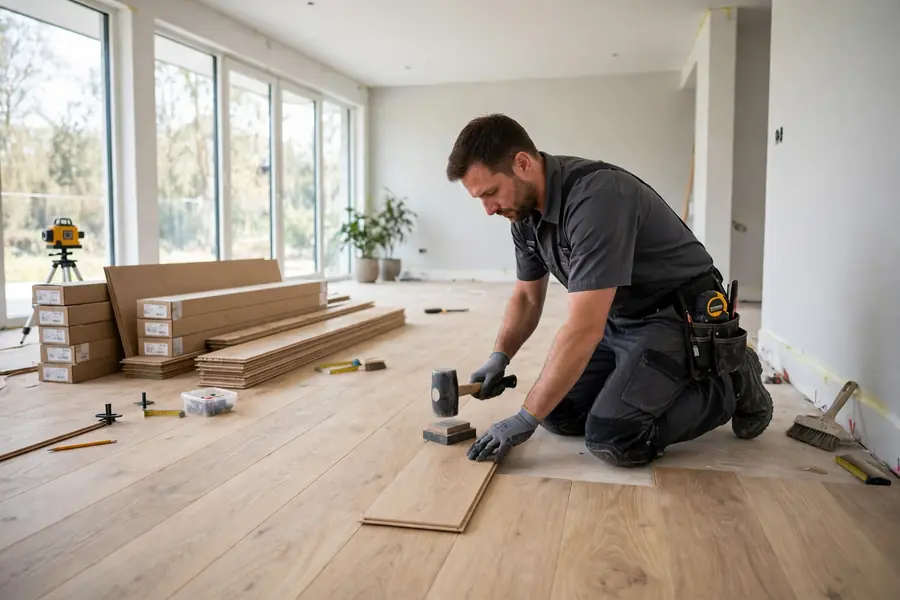
The typical installation fee for flooring is about $1.50 to $8 per square foot for labor in 2026, depending on the floor type. Vinyl and laminate sit at the low end, and hardwood and engineered wood at the high end. Installers may also charge by the hour, about $40 to $90, or a flat fee for set tasks. Removal, stairs, furniture moving and subfloor prep are usually extra.
Typical flooring installation fees at a glance
| Floor type | Labor-only fee per sq ft (2026) | Installed total per sq ft |
|---|---|---|
| Vinyl plank | About $1.50 to $4.50 | About $3 to $9 |
| Laminate | About $1.50 to $7 | About $5 to $12 |
| Engineered wood | About $3 to $7.50 | About $6.50 to $17.50 |
| Solid hardwood | About $3 to $8 | About $6 to $25 |
| Tile and carpet | Varies widely | Get a quote |
These are rough figures from consumer cost guides, and the sources disagree, so use them as planning ranges and get local quotes.
How do installers price flooring jobs?
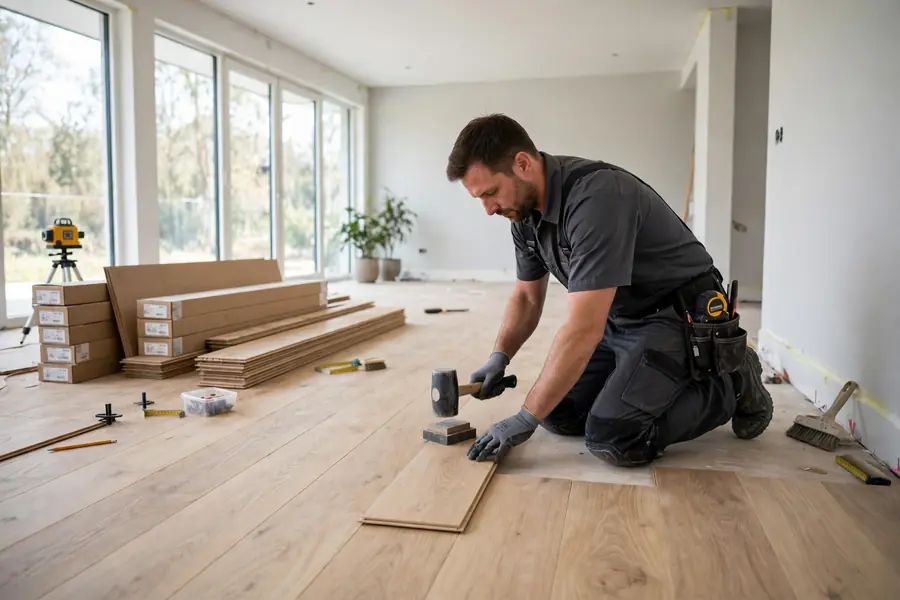
Most installers price by the square foot, some bill by the hour, and flat fees cover set tasks. Per-square-foot pricing is the most common for a whole floor. Hourly pricing suits small repairs, and flat fees are common for removal, stairs and disposal.
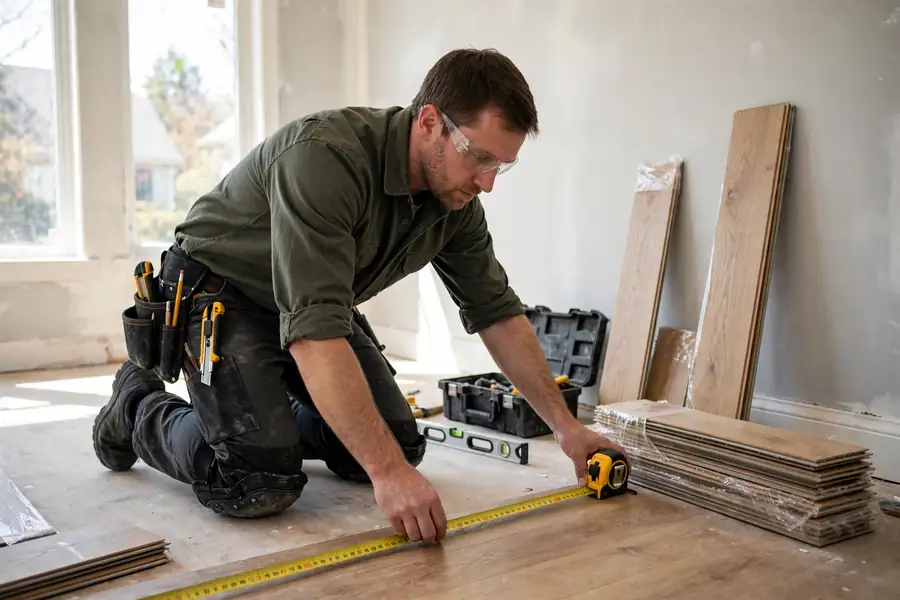
A small to medium room can take about 4 to 8 hours for a single crew, and larger or complex rooms take longer. At about $40 to $90 an hour, that can put labor for one room in the hundreds of dollars.
What is usually not included in the installation fee?
Removal of the old floor, furniture moving, baseboard work, stairs, subfloor prep and disposal are often priced separately. Always ask what the fee covers, because the same per-square-foot number can mean very different things from one installer to the next.
| Add-on | Typical estimate |
|---|---|
| Furniture moving | About $50 to $200, or $60 to $120 per hour |
| Baseboard removal and refit | Varies, often a line item |
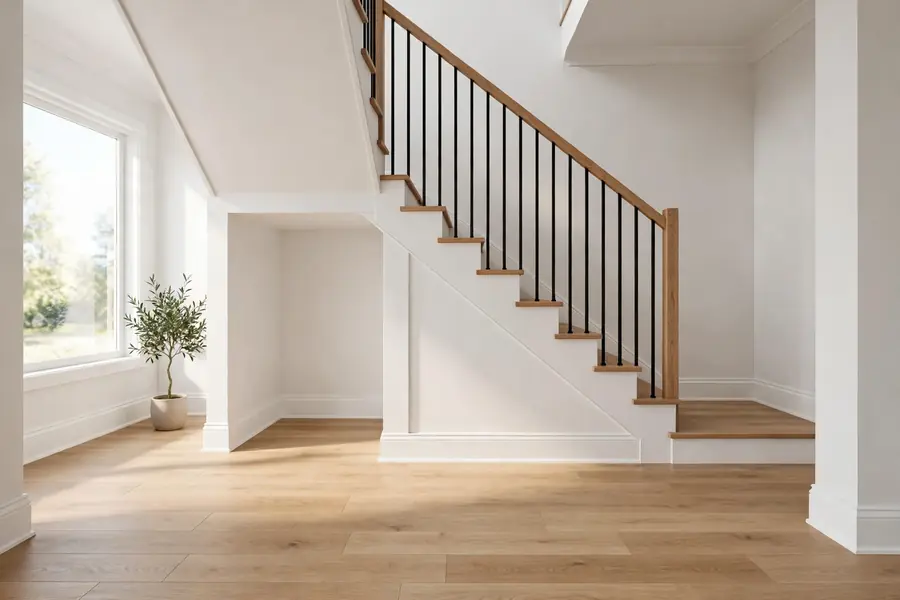
| Stairs | About $100 to $500 per flight, or $30 to $75 per step |
| Old floor removal | About $0.50 to $6 per sq ft, disposal often extra |
| Subfloor prep | About $200 to $1,000 and up, depending on damage |
| Permits and access fees | Varies by building |
| Minimum charge | Common for small jobs, ask |
What should a flooring quote include?
A good quote lists each fee separately, so you can compare installers. Ask for the rate per square foot, what it covers, removal and disposal, furniture, baseboards, stairs, subfloor prep, any minimum charge and the warranty on the work.

Ask whether stairs are priced per step or per flight, and confirm who hauls away the old flooring. Some retailers will not dispose of old flooring that you remove yourself.
What affects the installation fee?
Floor type, room layout, subfloor condition, install method, region and the installer's experience move the fee most. Glue-down and patterned layouts take more labor than click-lock floors, and a damaged subfloor adds repair work. Labor rates differ across the country, and small jobs can carry minimum charges.
| Factor | Effect |
|---|---|
| Floor type | Wood costs more to install than vinyl or laminate |
| Install method | Glue-down and patterns cost more than click-lock |
| Subfloor condition | Repairs and leveling add cost |
| Room shape | More cuts and doorways add time |
| Region | Labor rates vary widely |
| Job size | Small jobs may have a minimum charge |
How can you lower the installation fee?
Prepare the room, choose a simple layout and compare three itemized quotes. Clear the room and move furniture yourself, remove the old floor if you can do it safely, and ask whether the installer offers a lower rate for a bigger job. Do not choose the lowest bid without checking what it leaves out. See our guide on removing vinyl flooring if you plan to do the removal yourself.
Is it cheaper to install flooring yourself?
Yes, you save the labor fee, but you pay for tools, waste and the cost of mistakes. Click-lock floors suit DIY, while glue-down floors, tile and stairs are better left to professionals. Read how to install laminate flooring to see what the job involves.
Quick answers to common questions
How much do installers charge to put in flooring?
About $1.50 to $8 per square foot for labor, depending on the floor type, plus add-ons.
Is flooring installation priced per square foot or per hour?
Both are used. Per square foot is the most common for whole floors, and hourly pricing suits small jobs.
Does the installation fee include removing old flooring?
Often not. Removal and disposal are usually priced separately, so ask.
How much do installers charge for stairs?
About $100 to $500 per flight, or $30 to $75 per step. Ask which one the quote uses.
How can you lower flooring installation fees?
Prepare the room, simplify the layout, remove the old floor yourself if safe, and compare itemized quotes.
So, what is a typical installation fee for flooring?
A typical installation fee for flooring is about $1.50 to $8 per square foot for labor, with removal, stairs, furniture moving and subfloor prep on top. Get at least three itemized written quotes, confirm what each includes, and prepare the room so you pay for laying the floor, not for clearing the way.