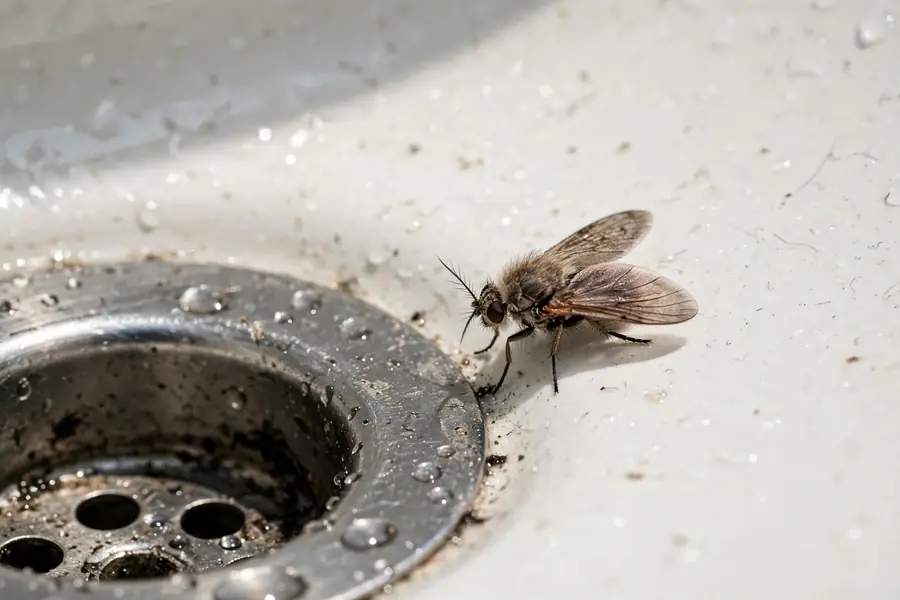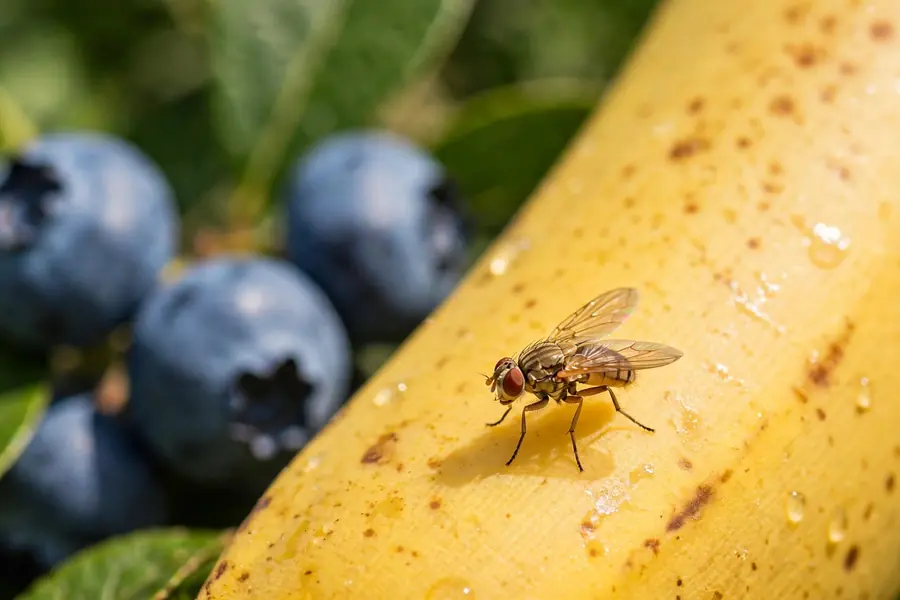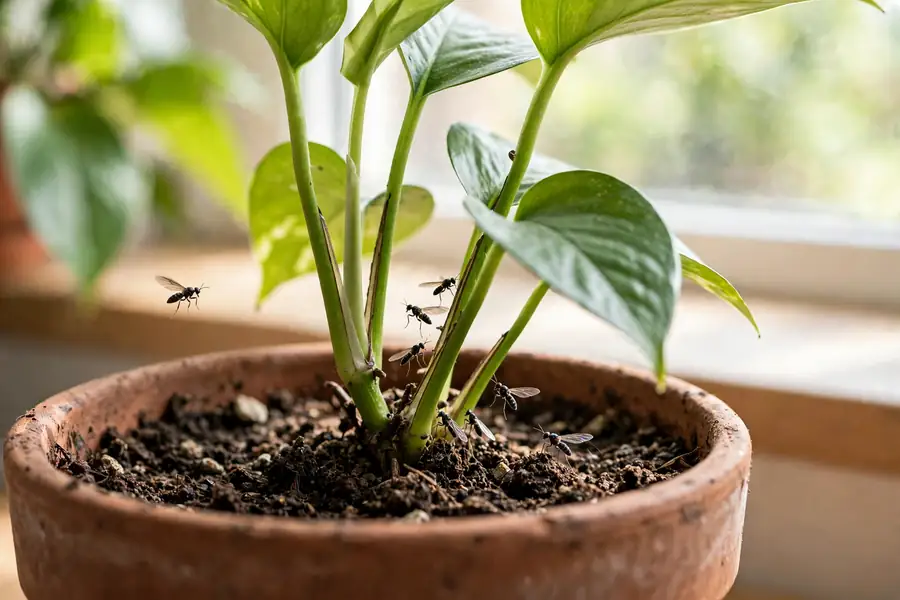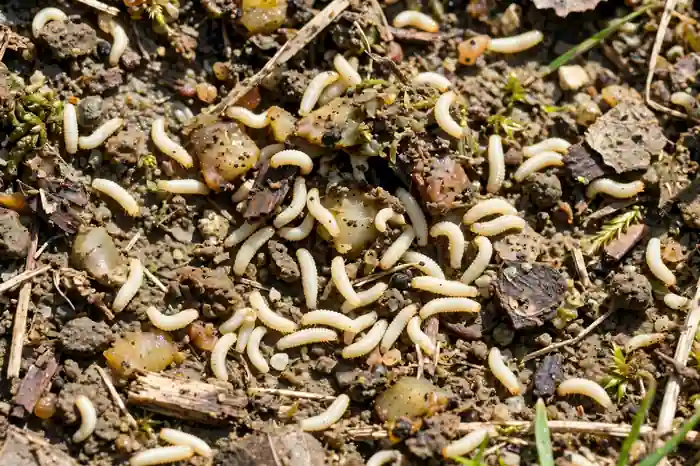
Maggots hatch from fly eggs. A female fly lays eggs on something rotting, such as trash, spoiled food, pet waste or a dead animal, and the eggs hatch into maggots within hours to a couple of days. Maggots are baby flies, and they never appear on their own. If you find them, a fly has laid eggs somewhere nearby, and finding that source is the fix.
Where maggots come from at a glance
| Question | Short answer |
|---|---|
| What are maggots? | The larvae of flies, mostly house flies and blow flies |
| How do they start? | A fly lays eggs on rotting food, waste or an animal |
| How fast do eggs hatch? | Within hours to about two days |
| Can maggots appear without flies? | No. Eggs are tiny, so it looks sudden |
| Do they turn into flies? | Yes, after a pupa stage of a few days |
| What kills them? | Boiling water, hot soapy water, or removing them with the waste |
| Biggest fix | Remove the rotting source and seal the trash |
| When to call a pro | Many flies, or a smell with no visible source |
Where do maggots come from?
From eggs laid by adult flies. A fly smells decay from a distance, lands on a moist, rotting source and lays eggs there. The eggs are small and pale, so you often do not see them. The maggots that hatch feed on the rotting material, grow for several days, and then become adult flies.
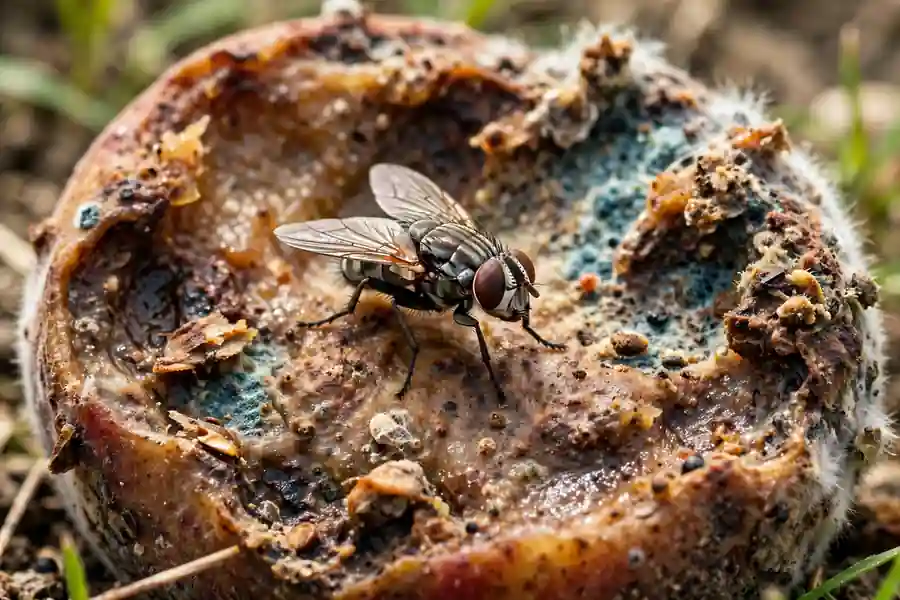
This is why maggots seem to appear overnight. A fly can lay eggs in the evening, and tiny larvae can be wriggling in the bin by the next day.
What are maggots?
Maggots are the legless, soft-bodied larvae of flies. They are cream or white, taper toward the head and have no visible legs. House flies and blow flies are the usual source in homes. A grub is different, because it is the larva of a beetle and has a head and legs.
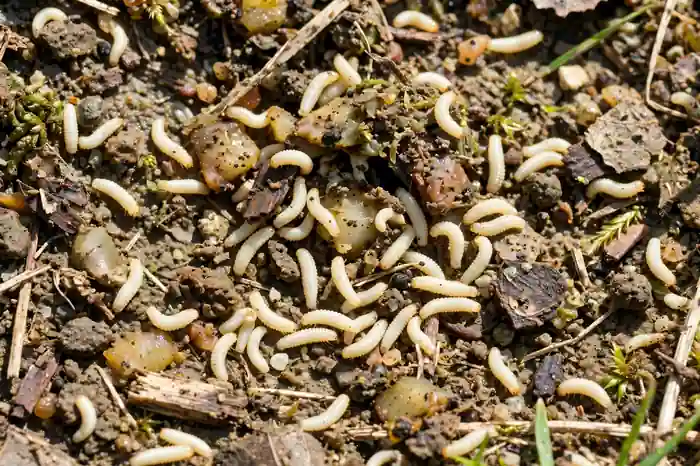
| Larva | Looks like | Usually found | Becomes |
|---|---|---|---|
| Maggot | Legless, tapered, cream or white | Trash, rotting food, pet waste, carcasses | A fly |
| Grub | C-shaped, with a brown head and legs | Soil, lawns, some stored goods | A beetle |
| Rat-tailed maggot | A maggot with a long breathing tail | Stagnant, polluted water | A drone fly |
Where do maggots come from in the house?
They come from something rotting that a fly could reach. In a home, that is usually trash, spoiled food, pet waste or pet food. Adult flies get in through open doors, gaps in screens or a bin lid that does not seal.
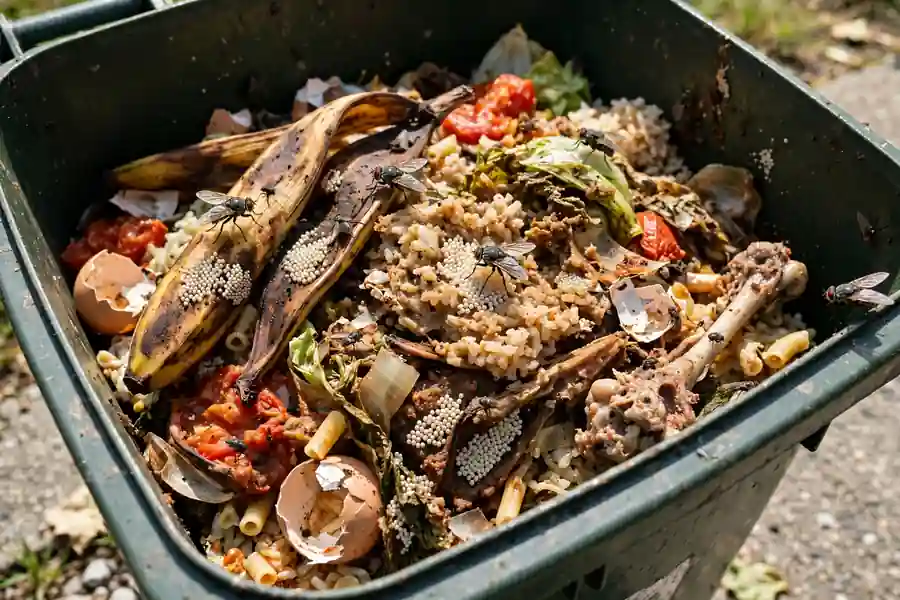
Check these first:
- The kitchen trash can, and the bottom of the bin under the bag
- Pet waste in the yard, the garage or a litter area
- Old meat, fish, dairy or soft fruit in the fridge, the pantry or the sink
- Pet bowls with leftover wet food
- Compost buckets and open compost piles
Where do maggots come from in a clean house?
From something hidden, not from a dirty home. A clean house can still have a forgotten food scrap, a spill under an appliance, a dead mouse in a wall, or a small amount of trash residue in a bin. One missed spot is enough for a fly to lay eggs.
- A dead rodent or bird in the attic, a wall or a vent
- Food that fell behind a stove or fridge
- Liquid or residue at the bottom of a trash can
- Pet waste that was bagged and left out
- A drain or sink trap with food buildup
Where do maggots come from in the trash can?
From flies that laid eggs on the garbage. Trash holds meat, fish, dairy, soft produce and diapers, which are all good for fly eggs. A loose bag, an open lid or a cracked bin lets flies in, and warm weather speeds up the cycle. The maggots then sit at the bottom or in the folds of the bag.
Where do maggots come from in food?
From fly eggs laid on exposed food. Meat, fish, cheese, fruit and pet food that sit uncovered attract flies, and eggs can hatch in a day. In warm weather, even a short time on a counter is enough. Eggs can also arrive on produce.
- Throw out food that has maggots or visible eggs, and seal it in a bag before it goes in the outside bin.
- Cover food, and keep produce in the fridge or under a net in warm weather.
- Do not leave pet food out for long.
- If you accidentally eat one, you will probably be fine. See a doctor if you feel unwell afterward.
Can maggots appear without flies?
No. Maggots always come from fly eggs. People once believed meat produced maggots by itself, but a famous 1668 experiment showed otherwise. When meat was sealed in a jar, no maggots appeared. When it was open, maggots did. When it was covered with gauze, maggots appeared on top of the gauze, where flies laid eggs.
When maggots seem to come from nowhere, the eggs were there and you did not see them, or a fly found a spot you did not check.
Do maggots turn into flies?
Yes. Maggots feed for about three to seven days, then crawl to a drier spot and form a hard, brown pupa. After a few more days, an adult fly comes out. In warm weather the full cycle can take as little as seven to ten days, and in cool weather up to about three weeks. Adults live about two to four weeks and lay more eggs, so a few maggots can lead to a bigger problem fast.
Where do maggots come from on a dead animal in the house?
From blow flies, which find carcasses very quickly. Blow flies can detect a dead animal within minutes to an hour, and a female can lay a large batch of eggs. The eggs hatch in a day or two. The maggots feed for about five to ten days, and then wander away to pupate, which is why they sometimes show up on floors, walls or ceilings.
If you see maggots coming from a ceiling, wall, vent or attic, a dead mouse, rat or bird is a likely source. See the rat guide for finding and removing carcasses and handling the smell. Removing the animal ends the problem much faster than any spray.
Where do rat-tailed maggots come from?
From drone flies that lay eggs in stagnant, dirty water. A rat-tailed maggot has a long tube that works like a snorkel, so it can live in water with little oxygen, such as sewage, a clogged drain, a stagnant puddle or a rain barrel with rotting plants. They are mostly a nuisance. The fix is to drain or clean the water.
Where do white maggots come from?
Most fly maggots are white or cream, so white maggots simply mean fly larvae. House flies and blow flies both produce them. If the larvae have legs and a brown head, they are grubs instead, and they come from beetles, not flies.
How do you get rid of maggots?
Remove the maggots and what they feed on, then clean the spot. This works because the maggots cannot survive without their rotting food. Killing them without removing the source just means more flies lay eggs.
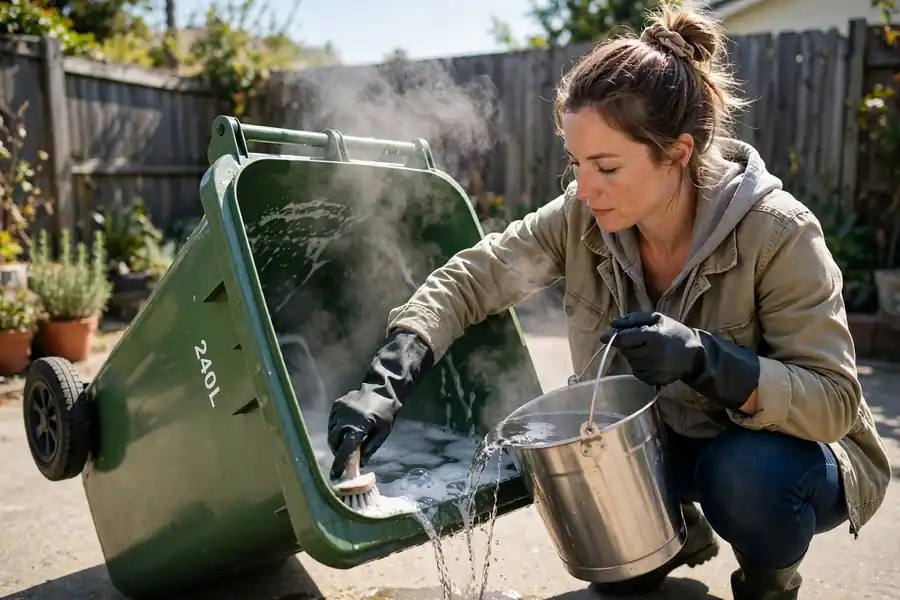
- Bag it. Scoop up the maggots and the rotting material, put them in a sealed bag, and put the bag in an outside bin.
- Clean the spot. Scrub the bin or the surface with hot, soapy water, and rinse well.
- Disinfect. Use a diluted disinfectant, and let the area air dry.
- Find the source. Check for hidden food, pet waste or an animal if the maggots keep coming back.
- Block the flies. Use tight lids, close doors, and repair screens.
What kills maggots immediately?
Boiling water kills them on contact. Pour it on maggots in a bin or on a hard surface, as long as the container is heat-safe. Hot soapy water also works on the ones you can reach. Bleach, vinegar and salt are common suggestions, but they are slower, and none of them replaces removing the source.
| Method | How to use it | Notes |
|---|---|---|
| Boiling water | Pour over maggots in a heat-safe bin or on a hard surface | Fast, but only reaches what it touches. Be careful with plastic bins |
| Hot soapy water | Scrub and rinse | Good cleaning step |
| Vinegar and hot water | About 1 part vinegar to 2 parts hot water, let it sit, then rinse | Cleans and helps kill larvae |
| Diluted bleach | A weak mix, such as about a tablespoon per gallon of water, left 10 to 15 minutes | Wear gloves. Never mix bleach with vinegar or ammonia |
| Salt | A thick layer on the maggots | Weak, slow and messy |
Throw out the waste in a sealed bag, because killed maggots and eggs can attract more flies if left out.
How do you get rid of maggots in a trash can?
Empty the bin, kill and remove the maggots, scrub it and let it dry. Do this outdoors if you can.
- Tie up the trash in a sealed bag and take it out.
- Pour boiling water over the maggots left in the bin, if the bin can handle it.
- Scrub the inside with hot, soapy water, and rinse with a hose.
- Spray with a disinfectant or a vinegar and hot water mix, and let it sit.
- Rinse and let the bin air dry in the sun with the lid open.
- Put a fresh bag in, and keep the lid closed.
Are maggots harmful?
Maggots are mostly a nuisance, but the flies can spread germs. They do not bite or sting. The risk is that flies move between rotting waste and your food, so keep food covered and clean up the source. Do not eat food that has maggots or eggs on it. If you feel unwell after eating food that had maggots, see a doctor.
How do you stop maggots from coming back?
Take away the places flies can lay eggs.
- Use bins with tight, closed lids, and rinse them weekly in warm weather.
- Double-bag meat, fish and diapers, and put them out on collection day.
- Empty kitchen trash often, and never leave food scraps in a bag for days.
- Pick up pet waste daily, and do not leave pet food out.
- Cover compost, and bury or turn kitchen scraps into it.
- Keep screens in good repair, and close doors.
- Check the fridge and pantry for spoiled food regularly.
- Seal gaps and screen vents so rodents and flies stay out.
For other small flies, see the guides on fruit flies and gnats.
When should you call a pro?
Call a pest professional if you have many flies, cannot find the source, or smell decay with no visible cause. A pro can find a carcass in a wall or void, and treat a heavy infestation. If maggots show up around a drain or sewer line, ask a plumber to check for a break.
Quick answers to common questions
Where do maggots come from in the house?
From fly eggs laid on rotting food, trash, pet waste or a dead animal. A hidden source is common, even in clean homes.
Can maggots appear without flies?
No. Maggots always hatch from fly eggs, which are tiny and easy to miss.
Do maggots turn into flies?
Yes. They feed for about 3 to 7 days, form a pupa for a few days and then emerge as flies.
What kills maggots immediately?
Boiling water kills them on contact. Remove the maggots and their food too, and clean the spot.
Are maggots harmful?
They do not bite, but the flies can spread germs. Throw out food with maggots and clean the source.
Keep reading: how to get rid of fruit flies, how to get rid of gnats and more pest control guides.
So, where do maggots come from, and how do you stop them?
Where do maggots come from? Fly eggs, laid on something rotting that you can find and remove. Bag the maggots, clean the spot, seal the trash and look for any hidden source such as a dead animal. Keep lids tight, and the flies will have nowhere to lay their eggs.