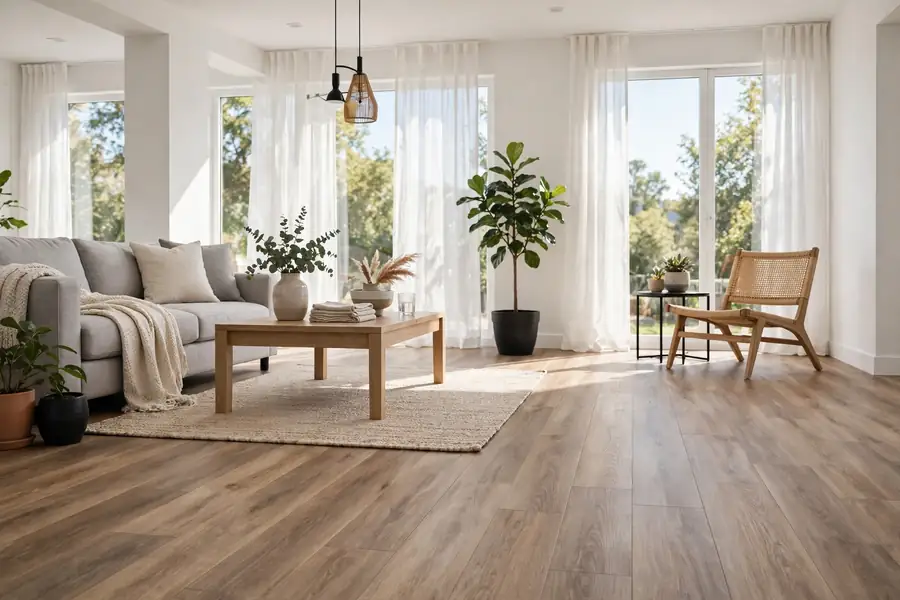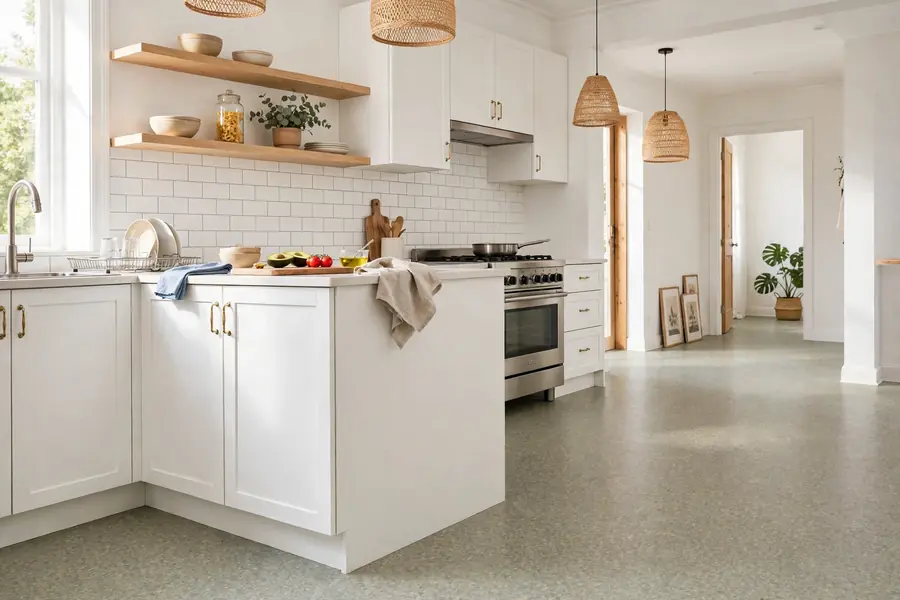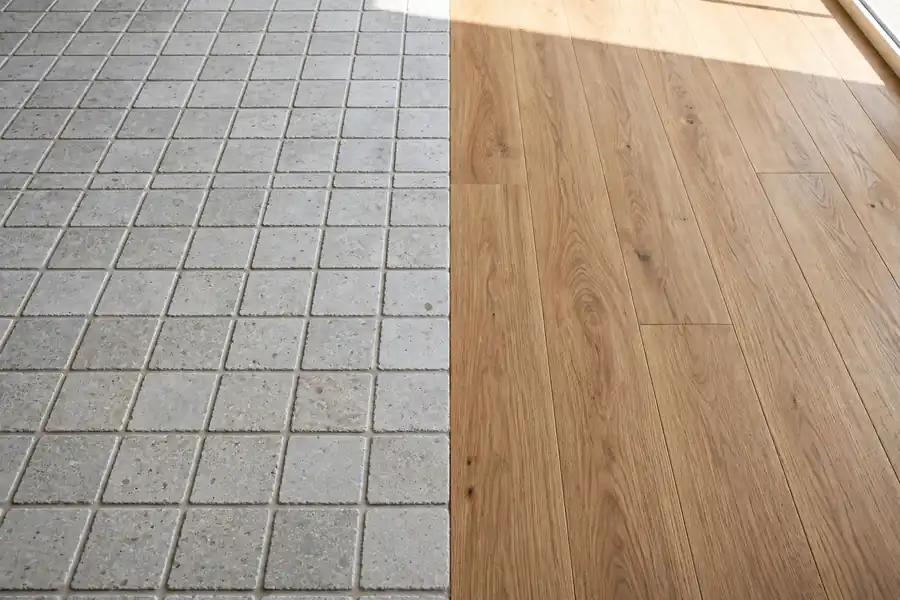
LVT flooring is luxury vinyl tile: a layered vinyl floor cut into squares or rectangles that copy stone, ceramic or concrete. A printed image sits under a clear wear layer on top of a PVC-based core. It is built much like luxury vinyl plank, but the tile shape gives it a different look. It resists water, feels softer than real tile, and usually costs less to buy and to install.
LVT at a glance
| Feature | What to know |
|---|---|
| Full name | Luxury vinyl tile |
| Shape | Squares and rectangles, such as 12 × 12 and 12 × 24 inches |
| Look | Stone, ceramic, slate, concrete, and some wood |
| Total thickness | About 2 to 8 mm |
| Installation | Glue-down, click-lock, peel and stick, or groutable |
| Water | The tile resists water. Seams and the subfloor are the weak points |
| Cost | About $1.50 to $7 per square foot for the material in 2026 estimates |
| Lifespan | Often 15 to 25 years in a home, by seller estimates |
What is LVT flooring made of?
LVT is made of four bonded layers: a clear wear layer, a printed decorative layer, a core and a backing. The wear layer takes the scuffs, and a thicker one lasts longer. The core is flexible PVC in thin products and a stiffer composite in rigid, click-lock products.
What is the difference between LVT and LVP?
LVT and LVP are made in much the same way and differ mostly in shape and look. LVT is tile-shaped and usually copies stone or ceramic. LVP is plank-shaped and usually copies wood. Sellers disagree on which has the thicker wear layer, so compare the mil rating of the product itself.
| LVT | LVP | |
|---|---|---|
| Shape | Squares and rectangles | Long, narrow planks |
| Common look | Stone, ceramic, concrete | Hardwood |
| Usual install | Often glued down | Often click-lock |
| Grout look possible | Yes, with groutable tile | No |
| Best for | Bathrooms, entryways, kitchens | Living areas, bedrooms |
What sizes does LVT come in?
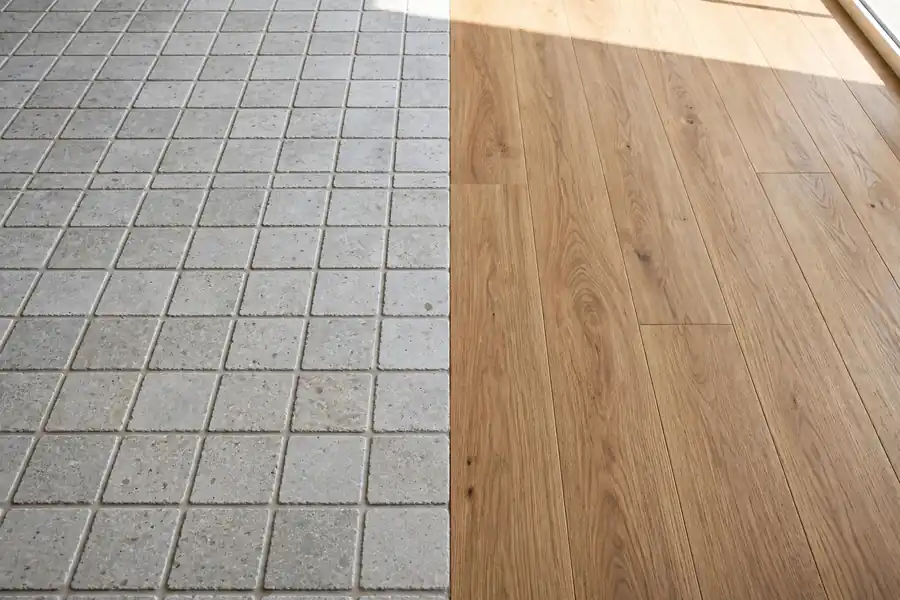
LVT is sold in many sizes, and 12 × 12 and 12 × 24 inches are common examples. Larger formats exist too. Tiles make fewer seams per square foot than narrow planks, but large tiles show subfloor dips more easily, so they need a flat floor.
How is LVT installed?
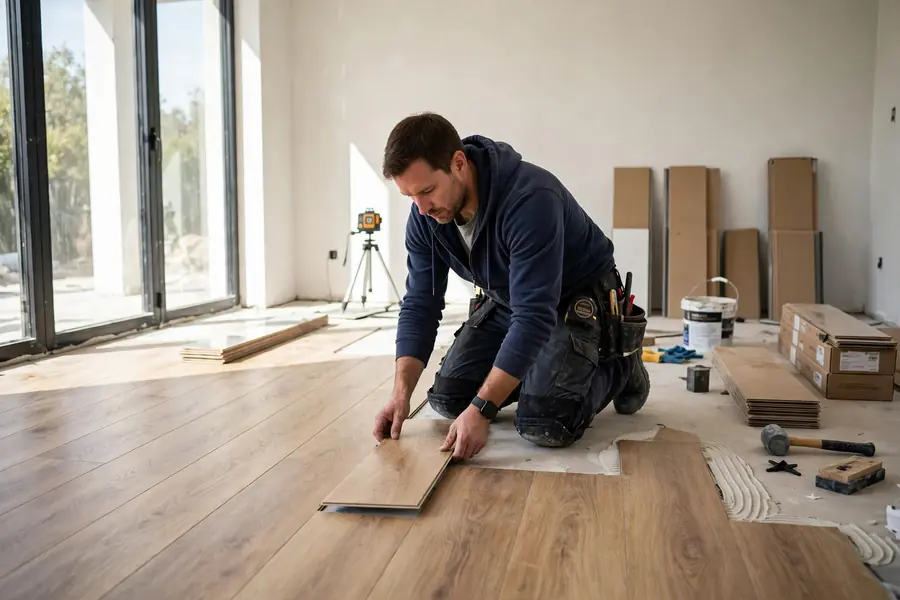
LVT goes down in four main ways. Glue-down tiles are bonded with adhesive, which is the classic method and common in busy spaces. Click-lock tiles float over the floor. Peel-and-stick tiles have a self-adhesive back and suit thin, budget products. Groutable LVT is set with adhesive and then grouted like ceramic.
Whichever method you choose, the subfloor must be smooth, clean and dry. Bumps, cracks and dips can show through the tile and wear the surface early. Fill cracks, sand raised edges, and follow your product's instructions on adhesive and primer.
What is grouted LVT?
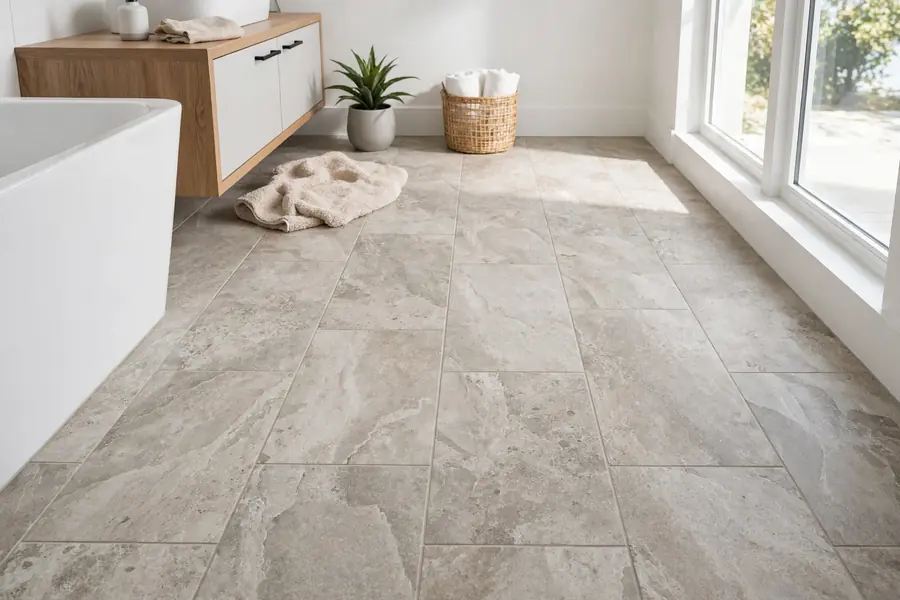
Grouted LVT is vinyl tile laid with grout lines, so it looks like stone or ceramic tile. It gives the most realistic look, but it takes more work. If the subfloor flexes, the grout can crack and pull away from the tile, so grouted LVT belongs on a stiff, stable floor.
How does LVT compare with ceramic tile?
LVT costs less, installs faster and feels softer and warmer underfoot. Ceramic and porcelain tile are harder, last longer and carry more resale appeal. In a bathroom, either works, but only real tile ignores standing water.
| LVT | Ceramic or porcelain tile | |
|---|---|---|
| Feel underfoot | Softer, warmer | Hard and cold |
| Install | Faster, DIY friendly | Mortar and grout, more labor |
| Installed cost | About $4 to $12 per sq ft | About $6 to $20 or more per sq ft |
| Lifespan | 15 to 25 years | Decades |
| Repairs | Replace a tile or section | Chip out and reset a tile |
What are the pros and cons of LVT?
| Pros | Cons |
|---|---|
| Resists water, spills and stains | Cannot be refinished |
| Softer and quieter than real tile | Heavy furniture can leave dents |
| Realistic stone and ceramic looks | Shows subfloor flaws if not prepped |
| Faster to install than ceramic | Less resale appeal than real tile |
| Costs less than ceramic or stone | Grouted LVT can crack on a flexing floor |
| Easy to clean | Quality varies a lot between brands |
Is LVT flooring waterproof?
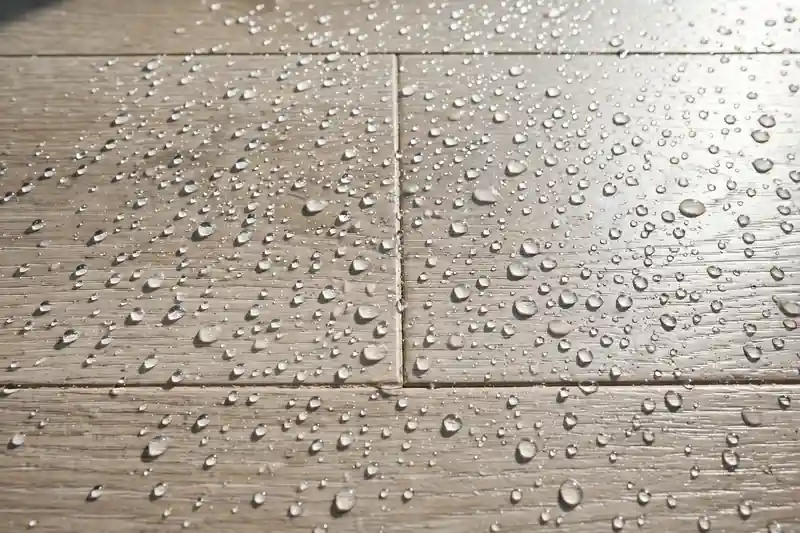
The tile resists water, and most LVT will not swell or rot when wet. That is not the same as a waterproof floor. Water can run through seams and sit on the subfloor, and the vinyl then holds it there. Wipe up spills, and have the subfloor dried after a leak. "100% waterproof" is marketing language about the tile, not a promise about your home.
How much does LVT cost?
Basic LVT can start around $1.50 to $2.50 per square foot, mid-range products run about $3 to $5, and premium lines reach $7 or more. Installed prices run about $4 to $12 per square foot, and professional installation adds roughly $2 to $5 per square foot depending on subfloor prep and removal.
| Item | Estimate (2026) | For a 100 sq ft bath or entry |
|---|---|---|
| Material, basic to premium | $1.50 to $7 per sq ft | $150 to $700 |
| Installed | $4 to $12 per sq ft | $400 to $1,200 |
These are estimates, not quotes, and sources vary. Ask local installers for written prices.
Where does LVT work best?
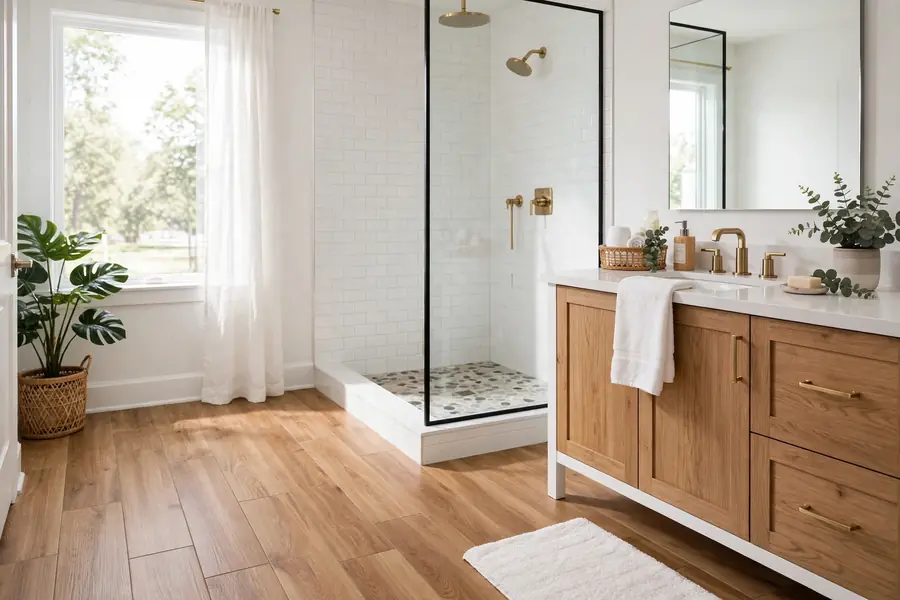
LVT suits bathrooms, entryways, laundry rooms and kitchens where you want a tile look without the cost or labor of real tile. It also works in basements after a moisture test on the slab. Check the maker's temperature limits before using it over radiant heat or in a sunroom.
Quick answers to common questions
Is LVT flooring waterproof?
The tile resists water, but the floor is only as waterproof as its seams and subfloor. Wipe up spills and dry the subfloor after a leak.
What is the difference between LVT and LVP?
Shape and look. LVT is a tile that copies stone or ceramic, and LVP is a plank that copies wood. Both are luxury vinyl.
Is LVT better than ceramic tile?
It is cheaper, quicker to install and warmer underfoot, but ceramic lasts longer and holds more resale value. Choose by room and budget.
Can you grout LVT?
Yes, if you buy groutable LVT and the subfloor is stiff and stable. Standard click-lock or peel-and-stick tiles are not made for grout.
Can you install LVT over existing tile?
Often, if the tile is sound, flat and clean. Fill deep grout lines first, because they can show through. Check your maker's rules.
Keep reading: what LVP flooring is, luxury vinyl flooring and whether vinyl flooring is waterproof.
Is LVT flooring worth buying?
LVT flooring is worth buying when you want a stone or ceramic look, a softer and warmer feel, and a lower cost than real tile. It is not the right pick if you want the longest possible lifespan or the strongest resale appeal. Prepare a flat subfloor, choose the install method that suits the room, and order a sample first.