The best natural weed killer is not a spray. Pulling or hoeing young weeds and covering bare soil with mulch beat every homemade mix, because they remove the root and stop new weeds. Sprays made from vinegar, soap or boiling water only scorch what they touch. They work on small seedlings and cracks in pavement, and they usually fail on established weeds and lawns.
Natural weed killer at a glance
| Question | Short answer |
|---|---|
| Does it work? | On small seedlings and leaf tops, yes. On roots, rarely |
| Best overall method | Pulling, hoeing and mulch |
| Vinegar | Kitchen strength kills tiny seedlings. Stronger vinegar is hazardous |
| Salt | Avoid. It harms the soil for years |
| Epsom salt and baking soda | No reliable evidence that they work |
| Safe for lawns? | Most sprays also kill grass. Iron-based sprays target broadleaf weeds |
| Best for driveways and cracks | Boiling water, vinegar or pulling |
| Prevention | Mulch, a thick lawn and regular weeding |
What is a natural weed killer?
It is any weed control that uses a plant, mineral or kitchen product instead of a synthetic herbicide. That covers a wide range, from a mulch layer to a spray. The options differ a lot in how well they work.
- Physical: hand pulling, hoeing, mulch and smothering
- Heat: boiling water poured on weeds
- Acids: vinegar and acetic acid products
- Fatty acid and plant-oil sprays: products made with pelargonic acid, soap or citrus and clove oils
- Iron-based sprays: chelated iron, sold for broadleaf weeds in lawns
- Pre-emergents: corn gluten meal, which blocks seedlings as they sprout
- Salt: a common suggestion, but a bad one
Does natural weed killer work?
Partly. Most natural sprays are contact killers. They burn the leaves and stems they touch, and they do not move down to the root. Annual weeds and seedlings often die. Perennial weeds with deep roots, such as dandelions, bindweed and dock, usually grow back in a few weeks.
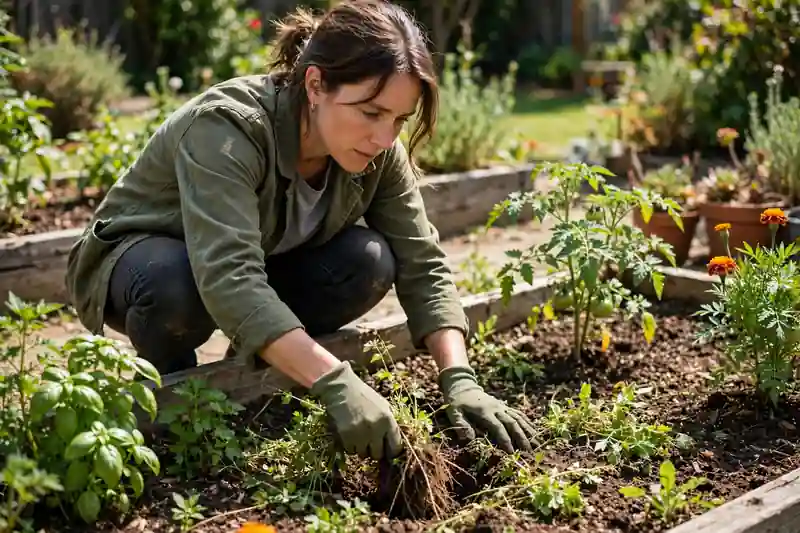
University extension advice is consistent. Use more than one approach, pull or hoe weeds while they are small, mulch bare soil, and treat homemade sprays as a way to burn off top growth, not as a cure.
Which natural weed killer fits each spot?
Match the method to where the weeds are. A fix that is fine for a gravel path can ruin a lawn.
Natural weed killer with vinegar: does it work?
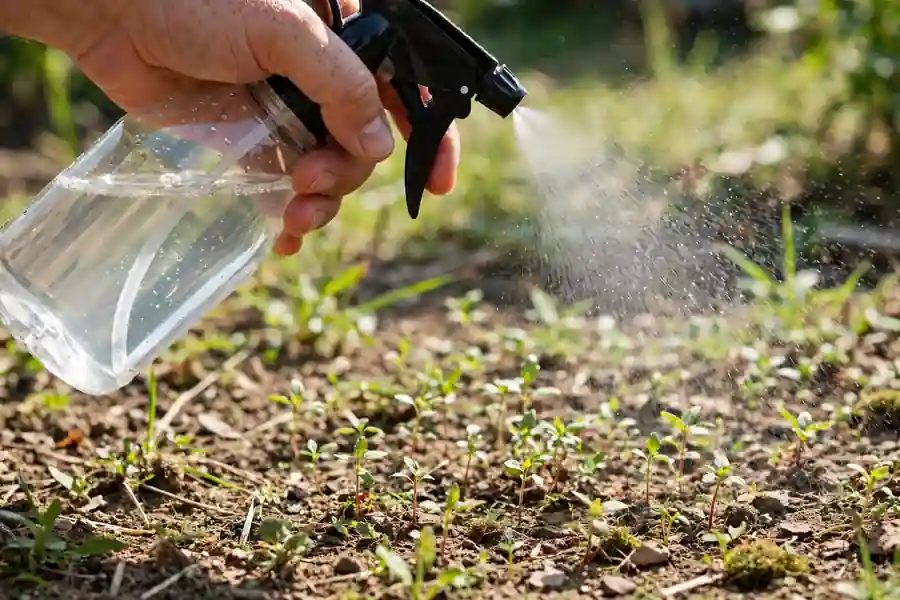
Vinegar burns leaves, but kitchen vinegar is too weak for most weeds. Household vinegar is about 5 percent acetic acid, which kills only very small seedlings. Extension sources say you need roughly 10 to 20 percent acetic acid for tougher weeds, and even that only kills the tops. The roots of perennial weeds regrow.
- It is non-selective. It burns grass, flowers and vegetables as quickly as weeds.
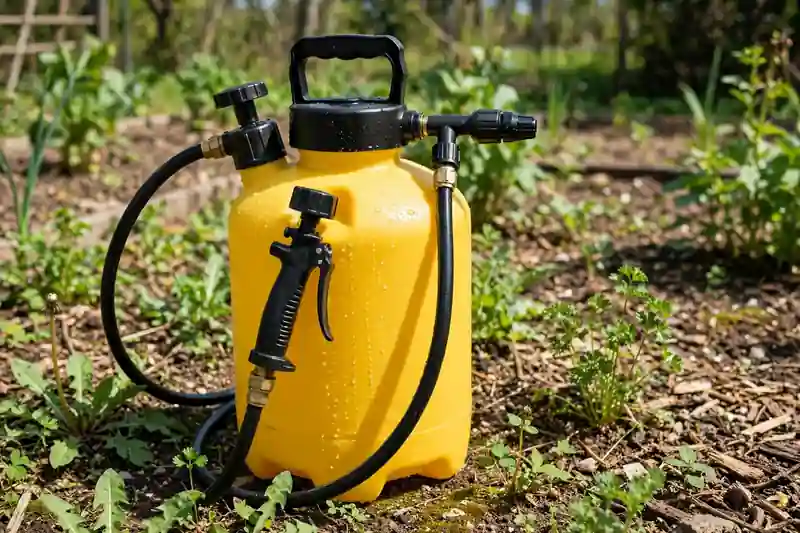
- Strong vinegar is hazardous. Products at 20 percent and above can burn skin and eyes and irritate the lungs. Use goggles and gloves.
- It leaves no lasting control. New weeds seed in again, and repeated use can acidify the soil.
- Use it on young weeds, on a sunny, dry day, and keep it off plants you want.
What is the best natural weed killer recipe?
A vinegar and dish soap spray is the most common recipe, and it is a mild tool for seedlings. Use it on young weeds in cracks and bare areas. Do not expect it to kill established weeds down to the root.
| Recipe | How to use it | Verdict |
|---|---|---|
| White vinegar, 1 gallon, plus about 1 tablespoon dish soap | Spray young weeds on a sunny day | Burns small weeds. Repeat as needed |
| Boiling water | Pour on weeds in cracks, with care | Kills what it touches, and may harm nearby plants |
| Vinegar, salt and dish soap | Not recommended | The salt builds up in the soil |
| Horticultural vinegar | Only as a labeled product, with goggles and gloves | Stronger, but still top kill only |
Does vinegar, salt and dish soap kill weeds?
It scorches the tops, but it is not proven to kill the roots. Extension specialists warn that the popular mix of vinegar, salt and dish soap gives uneven results and carries risks. The salt can damage the soil and harm nearby plants, and the dish soap adds little beyond helping the spray stick.
Is salt a safe weed killer?
No. Sodium can damage soil structure, make nutrients harder for plants to use, and leave ground unable to grow anything for years. Rain can wash it into beds and lawns. If you ever use salt, limit it to cracks in a driveway or walkway, far from plants.
Does Epsom salt kill weeds?
There is no reliable evidence that it does. Epsom salt is a magnesium fertilizer, so it can feed plants rather than kill them. A viral recipe that combines it with vinegar and dish soap was fact-checked as not proven to kill roots.
Does baking soda kill weeds?
There is no solid evidence for it either. Baking soda can scorch some leaves, and it adds sodium to the soil, so it is not a good choice near plants you want to keep.
Is there a natural weed killer that will not kill grass?
Not a spray that is both natural and truly selective, with one main exception. Vinegar, soap, citrus oil and boiling water all damage grass. The one option aimed at lawns is an iron-based spray, which is labeled for broadleaf weeds such as dandelions and clover and leaves grass alone.
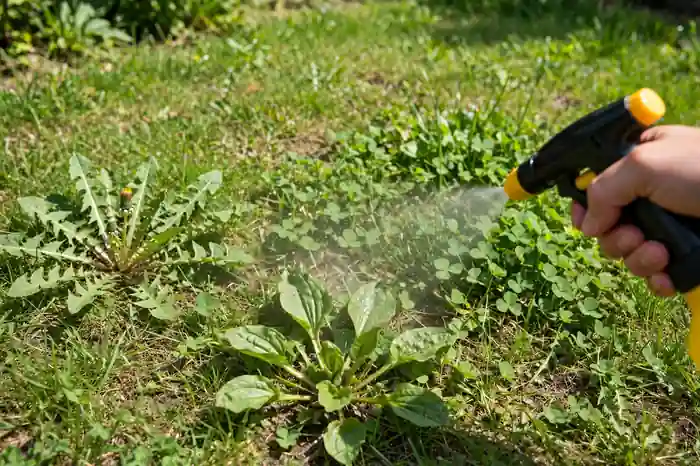
The reliable natural lawn plan is mostly cultural:
- Pull weeds by hand when the soil is moist, and get the whole root. Dandelions often need a second pull.
- Mow high, about 3 inches for many cool-season lawns, so grass shades the soil and weed seeds struggle.
- Thicken the lawn. Overseed thin patches in early fall. See how to reseed a lawn.
- Use an iron-based spray on broadleaf weeds if you need one, and follow the label.
- Spot-treat grass weeds only if you accept bare patches you will need to reseed.
What is a natural pre-emergent weed killer?
Corn gluten meal is the best-known one. It stops germinating seeds from forming roots, so it only works in a narrow window as seeds sprout, and it does nothing to weeds that are already growing. It is about 10 percent nitrogen, so it also acts as a fertilizer. It is water-insoluble, so it is hard to spread evenly, and trials give mixed results. Do not use it within about six weeks of seeding, because it also stops grass seed.
Natural weed killer for dandelions and creeping Charlie
Pull them, root and all, and repeat. Dandelions grow back from pieces of root, so loosen the soil first and remove as much as you can. Creeping Charlie spreads by creeping stems, so pull the runners as you go. A thick lawn is the long-term answer, and an iron-based spray can help with broadleaf weeds.
What natural weed killer is best for gardens, flower beds and vegetable gardens?
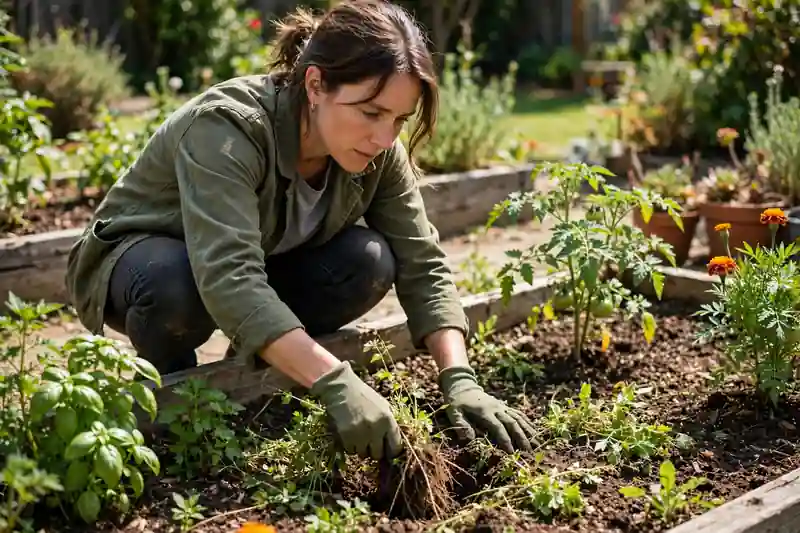
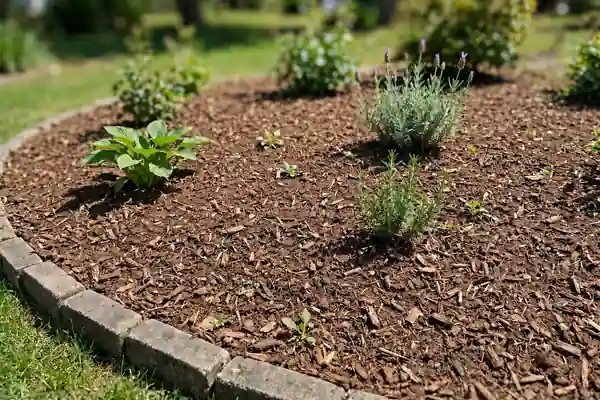
Mulch and a hoe. Extension specialists say no spray replaces a hoe and mulch in a garden. Mulch blocks light and stops most seeds from sprouting, and a hoe removes seedlings before they take hold.
- Clear weeds first, then spread 2 to 3 inches of mulch. Much deeper layers can starve roots of oxygen.
- Keep mulch a little back from stems and trunks.
- Hoe or pull weeds weekly while they are small.
- Avoid hay as mulch, because it carries weed seeds.
- Do not spray vinegar or soap near vegetables, because it burns the crop too.
- Use drip lines, not overhead watering, so you water the plants and not the weeds.
What natural weed killer works for driveways, gravel and pavers?
Boiling water or vinegar on young weeds in cracks, plus pulling. These areas are not planted, so a non-selective method does little harm. The results are short-lived, because new seeds blow in.
- Pour boiling water on weeds in cracks, and keep it off nearby plants and gravel you want to keep.
- Pull larger weeds first, because the root has to come out.
- Sweep polymeric sand into paver joints. Some guides say it cuts weed growth.
- Do not count on weed fabric under gravel, since seeds sprout on top of it.
- Avoid salt, which washes into soil and planting beds.
Is there a natural weed killer that kills roots?
Not reliably. Heat, vinegar and soaps kill the tops. Roots usually survive on perennial weeds, so the weed returns. What does remove roots is pulling or digging, and repeating the job each time a weed comes back. Smothering with a thick layer of mulch also wears down weeds over time. For stubborn perennials, expect to repeat any method several times.
What is a pet safe natural weed killer?
Pulling, hoeing and mulch are the safest. Among sprays, kitchen-strength vinegar is milder than strong acids, but it can still irritate paws and noses while wet. Keep pets off any treated area until it is dry, and read the label of any ready-made product. Strong vinegar and salt are poor choices around pets, because strong vinegar burns and salt can harm dogs and the soil. If a pet swallows a weed killer or shows signs of illness, call your vet or a poison hotline.
What natural weed killer works on poison ivy?
Natural methods are slow, and poison ivy is a case where care matters. Cutting it back repeatedly and smothering it can weaken it, but it often takes several seasons. Extension sources say the most effective herbicides are triclopyr and glyphosate, used by the label, and that large patches may need a professional.
- Wear waterproof gloves and cover your skin.
- Never burn poison ivy or mow it, because the oil can become airborne.
- Bag the plants and put them in the trash.
- Wash tools and clothing, since the oil can stay active for more than a year.
- Bathe pets that touch it, because their fur can carry the oil.
When is the best time to apply natural weed killers?
Spray young weeds on a sunny, dry, calm day. Contact sprays work best when weeds are small and actively growing, and when the leaves are dry and the sun is warm. Avoid windy days, which carry spray onto plants you want. Repeat in a few days or a week for regrowth. Pulling works best when the soil is moist.
How do you prevent weeds naturally?
Keep soil covered, keep grass thick and remove weeds before they seed.
- Mulch bare soil 2 to 3 inches deep.
- Mow lawns high and overseed thin spots in the fall.
- Hoe weekly while weeds are small.
- Pull weeds before they flower and set seed.
- Water the plants you want, not the whole area.
- Fix bare patches quickly, because weeds move in first.
Quick answers to common questions
Does natural weed killer work?
It works on small weeds and leaf tops. It rarely kills roots, so tough weeds regrow. Pulling, hoeing and mulch work best.
What is the best natural weed killer?
Hand pulling or hoeing young weeds, plus mulch. For cracks in pavement, boiling water or vinegar can help.
Does vinegar kill weeds permanently?
No. Vinegar burns the top growth, and perennial weeds regrow from the roots. Kitchen vinegar only kills tiny seedlings.
Is there a natural weed killer that won't kill grass?
An iron-based spray targets broadleaf weeds and spares grass. Most other natural sprays, including vinegar and soap, also burn lawn.
Is salt a safe weed killer?
No. Salt damages soil for years and can wash into plants. Avoid it except in pavement cracks far from plants.
Keep reading: how to reseed a lawn and more lawn and garden guides.
Which natural weed killer should you use?
Use the simplest one that fits the spot. A natural weed killer works best when it is a hoe, your hands and a layer of mulch, with vinegar or boiling water as backup for cracks. Skip salt, expect only brown tops from sprays, and build a thick lawn and mulched beds so fewer weeds can start.