Dry out the damp spots, remove what they eat, and place traps and a light dust where they hide. Silverfish live in humid, dark places and eat starchy things such as paper, glue and stored fabric. Cutting the humidity is the step that matters most. Sprays and baits help, but they only work well once the damp is fixed. Most homes clear up in a few weeks with steady effort.
Silverfish control at a glance
| Question | Short answer |
|---|---|
| What are they? | Silvery, fish-shaped insects, about 1/2 inch long, with three tails |
| What attracts them? | Damp air, starchy food, clutter, dark hiding spots |
| Most important fix | Lower humidity, ideally below 50% |
| Best traps | Sticky traps along walls, to find and cut numbers |
| Do they bite? | No, but they damage paper, books, wallpaper and some fabric |
| Do sprays work? | In cracks, as a backup. Not alone |
| Natural fixes | Dehumidifier and cleaning work. Scents only repel |
| When to call a pro | Heavy infestations or damp you cannot trace |
What are silverfish?
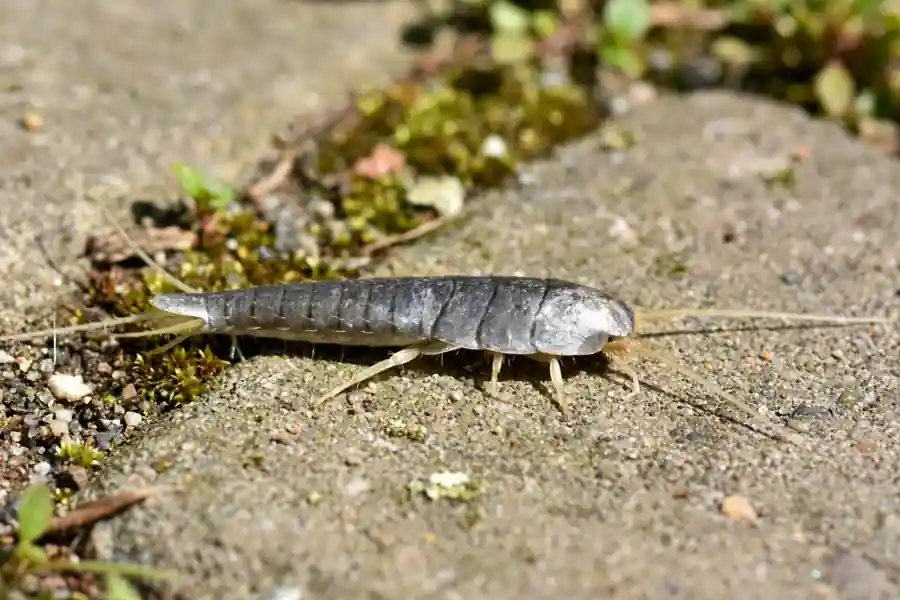
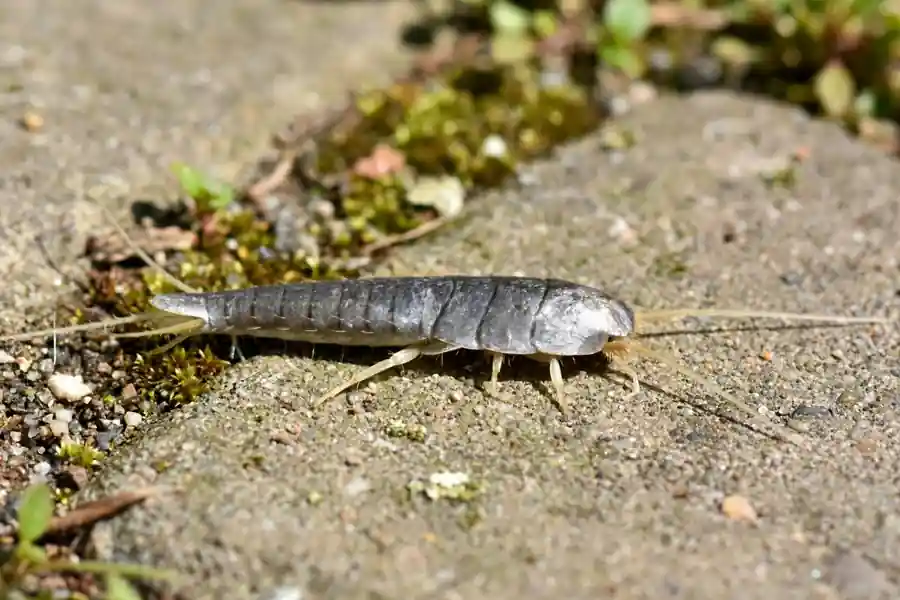
Silverfish are small, wingless insects with a flat, tapered body, shiny silver-gray scales and three thin tails at the rear. They move fast and hide by day, so you often see them at night in a bathroom or kitchen. They are nocturnal, which is why a flashlight check after dark shows more than a daytime search.
| Insect | Looks like | Rear end | Where it lives |
|---|---|---|---|
| Silverfish | Silvery gray, tapered, shiny | Three thin tails | Damp, dark spots indoors |
| Firebrat | Mottled gray or brown | Three thin tails | Hot places such as boiler rooms, furnaces and ovens |
| Earwig | Dark brown, glossy | Two pincers | Mostly outdoors, sometimes indoors |
Silverfish and firebrats are called bristletails because of those three tails. The same control steps work on both. Earwigs have a different pest profile, so check the rear end before you treat.
What causes silverfish in your house?
Humidity is the main cause, followed by food and hiding places. Silverfish do best in damp air, with most sources putting their sweet spot around 75 to 95 percent humidity. A leaky pipe, a steamy bathroom or a wet basement can create it. Because they live for years, a damp corner can support a population for a long time.
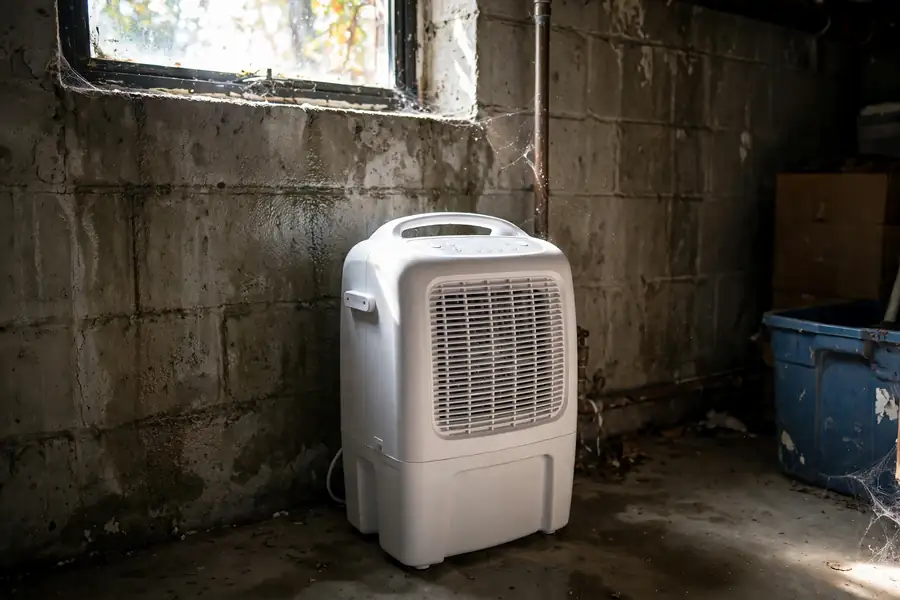
Other things that help them:
- Starchy food. Paper, book bindings, glue, wallpaper paste, cardboard and some fabrics.
- Clutter. Boxes and stacked papers give them shelter and food at once.
- Cracks and voids. Gaps behind baseboards, tiles and pipes give them places to hide.
- Darkness and quiet. Rarely used closets, attics and basements stay undisturbed.
Where do silverfish come from?
They are usually already inside, or they arrive in boxes and creep in through gaps. Silverfish can come in with cardboard boxes, used books and secondhand furniture, and they travel along pipes and through cracks in walls and floors. Seeing one does not mean your home is dirty. It means there is a damp place with something starchy to eat.
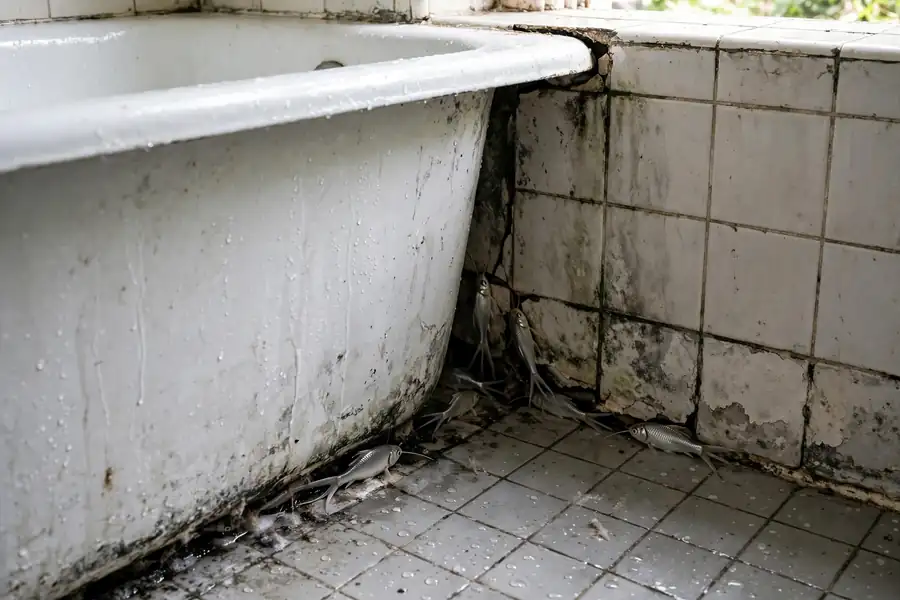
What do silverfish eat?
Silverfish eat starch and cellulose. That means paper, book bindings, wallpaper paste, cardboard, and dry starchy foods such as flour and cereal. They also scrape clothing made from cotton, linen, silk, rayon and leather, especially items stored for a long time. They seldom touch wool and other animal fibers. They can survive for months without food as long as they have water, which is why a damp home keeps them going.
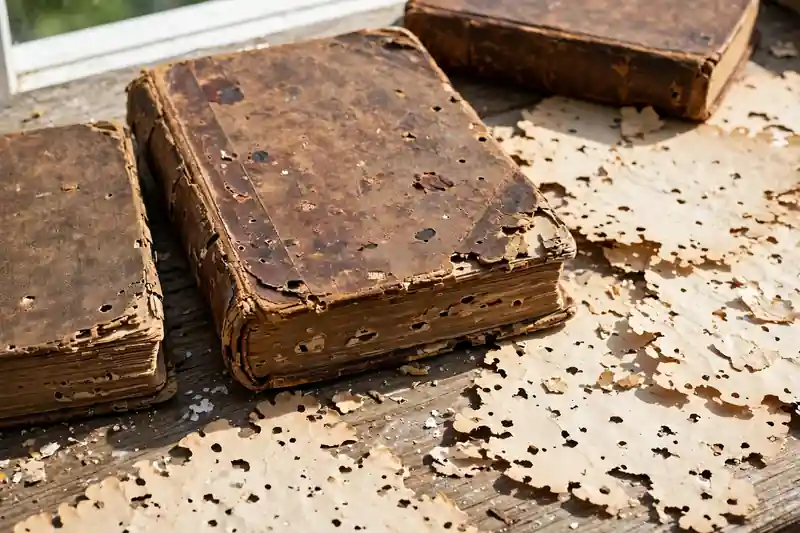
How do you know you have silverfish?
Look for damage and leftovers, since you may not see the insects. They hide by day and come out at night.
- Small, irregular holes or scraped patches in paper, book covers and wallpaper
- Yellow stains on paper or fabric
- Tiny droppings, described by different sources as pepper-like black specks or chalky gray ones
- Light, papery shed skins in drawers, boxes and corners
- Live silverfish running when you turn on a light in a bathroom or closet
How to get rid of silverfish in the house, step by step
Find the damp, fix it, clear the food, and then trap what is left. This order works because silverfish cannot survive long without moisture and starch. Traps alone leave the cause in place.
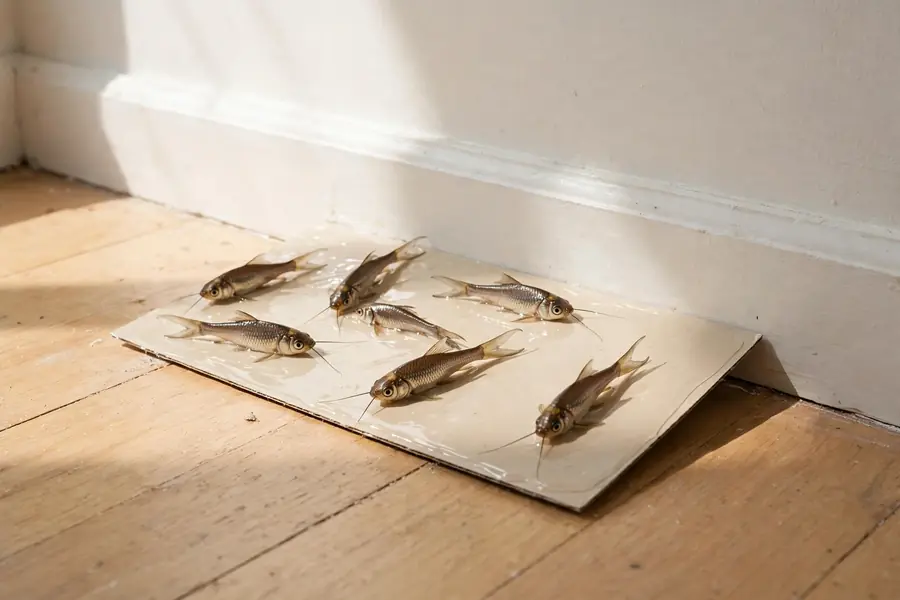
- Find the hot spots. Check at night with a flashlight, and set sticky traps along walls and in corners to see where activity is.
- Fix moisture. Repair leaks, wipe up standing water, run exhaust fans and use a dehumidifier in damp rooms.
- Remove food and shelter. Throw out old cardboard, keep papers off the floor, and seal dry goods in containers.
- Vacuum and seal. Vacuum corners, baseboards and shelves, then caulk cracks and gaps around pipes and trim.
- Use dust or bait in hidden spots. Place it lightly behind baseboards, under appliances and in closets.
- Keep going for weeks. Replace traps and recheck the humidity so they do not return.
How do you get rid of silverfish in the bathroom?
Fix the moisture and the ventilation. Bathrooms are the classic silverfish spot because of steam, drips and dark cabinets. Silverfish can live for a long time without food if there is water, so a small leak keeps them going.
- Repair dripping faucets and slow leaks under sinks.
- Run the exhaust fan during showers and for a while after, or open a window.
- Wipe down tubs and floors, and dry towels and mats instead of leaving them damp.
- Caulk gaps around pipes, tubs and baseboards.
- Move cardboard and paper out of the bathroom, including stored toilet paper boxes.
- Keep a hygrometer or small dehumidifier in a windowless bathroom.
How do you get rid of silverfish in the bedroom?
Check closets and stored items, then fix the humidity. Silverfish rarely live in the bed itself. They come for starchy things nearby, such as cardboard boxes under the bed, books on shelves and natural-fiber clothes in closets. A closet on an outer wall or next to a bathroom often stays damp.
How do you get rid of silverfish in clothes?
Wash or dry clean affected items, and store them sealed. Silverfish scrape cotton, linen, silk and rayon, especially if the fabric has starch or stains. Items stored for a long time are most at risk.
- Take clothes out of the closet, and look for yellow marks, scraped patches and shed skins.
- Wash what the care label allows, and dry clean the rest.
- Vacuum the closet floor, shelves and baseboards.
- Store clean, dry clothes in airtight bins or bags, away from outside walls.
- Put a dehumidifier or moisture absorber in damp closets.
- Replace cardboard storage boxes with plastic ones.
How do you get rid of silverfish in an apartment?
Control what you can in your unit, and tell your landlord about moisture. In an apartment, silverfish can travel through wall voids and along pipes, and a damp bathroom wall in a neighboring unit can feed them. The steps are the same as for a house, but you may need the landlord to fix leaks or treat common spaces.
- Report leaks or damp walls in writing.
- Seal gaps around pipes, outlets and baseboards.
- Keep paper and boxes off the floor, and sealed in plastic.
- Use sticky traps to show your landlord where they are active.
- Ask whether the building has a pest control plan.
How do you get rid of silverfish naturally?
Lowering humidity and removing food are the natural methods that work. The rest mostly repel silverfish and do not clear an infestation. Cedar, lavender, cinnamon, cloves and citrus are often suggested, but the evidence is anecdotal, and none of them is shown to kill silverfish or their eggs.
| Natural method | Does it work? |
|---|---|
| Dehumidifier, fan, leak repair | Yes. The core of control |
| Clearing cardboard and paper | Yes. Removes food and shelter |
| Sealing cracks | Yes. Cuts hiding spots |
| Sticky traps | Helps. Good for monitoring and small infestations |
| Diatomaceous earth | Some support. It dries them out on contact, but its effect is limited and eggs hide in tiny crevices |
| Cedar, lavender, cinnamon, cloves, citrus | Weak. They may repel, but do not kill |
| Salt | Weakly supported |
| Moist newspaper trap | A common trick. Silverfish gather in it, but it is not a cure |
What smell do silverfish hate?
They are said to dislike cedar, lavender, citrus, cinnamon and cloves, but there is no strong evidence that these keep them away for long. Treat scents as a mild extra, not a plan. They do nothing about the damp and the food that keep silverfish coming back.
Does baking soda kill silverfish?
There is no reliable evidence that it does. Baking soda is not a known insecticide for silverfish, and it does not remove the damp or the food. Spend the effort on a dehumidifier, cleaning and sealing instead.
What are the best silverfish traps?
Sticky traps are the most practical, and boric acid baits can help in closets and drawers. A trap shows you where silverfish travel and lowers the count a little. It does not clear the nest.
- Sticky traps. Place several along baseboards, in corners and in cabinets. Check them weekly.
- Bait packs with boric acid. Some products are made for closets, drawers and basements. Keep them out of reach of children and pets.
- Home-made traps. Rolled, damp newspaper secured with a rubber band can collect silverfish for you to dispose of. Check it every day or two.
Use traps to find the hot spots, then fix the damp near them.
What kills silverfish in the house?
Dusts, baits and crack-and-crevice sprays kill them, but only when the damp is fixed first. Professionals often use an insecticidal dust in wall voids, behind baseboards and under appliances. Placement matters more than quantity.
- Dusts. Boric acid, diatomaceous earth and silica dusts applied in thin layers where silverfish travel. Keep them off food surfaces, and away from children and pets.
- Baits. Boric acid baits for closets and drawers.
- Residual sprays. Used in cracks and crevices, behind baseboards and in attics. Follow the label.
- Plant-oil products. Some people use limonene, clove or thyme oil, but their performance compared with other products is not established.
Does silverfish spray work?
It can help in cracks, but only after you cut the humidity. A spray that reaches only the silverfish you see leaves the hidden ones alone. Apply a labeled product to cracks, baseboards and closet edges, and do not spray fabric, bedding or food areas. Ventilate, and keep pets and children away until it dries.
Are silverfish harmful?
They do not bite or carry disease, but they damage things. Their jaws are too weak to bite people. The problems are damage to paper, books, wallpaper and some fabrics, plus yellow stains from their waste. Their shed skins and droppings may also bother people with allergies or asthma. If someone in the house is sensitive, clean thoroughly and ventilate.
Why do silverfish keep coming back?
Because the damp, the food or the hiding places are still there. Common reasons:
- Humidity went back up after a dehumidifier was removed.
- A slow leak or poorly ventilated bathroom was not fixed.
- Cardboard boxes and papers stayed in damp spaces.
- Cracks behind baseboards or tiles were never sealed.
- Only the silverfish you see were treated.
- A neighbor's unit or a wall void keeps feeding them.
When should you call a pro, and what does it cost?
Call a pest professional if you see many silverfish, damage keeps spreading, or you cannot find the damp. A pro can treat wall voids and hidden gaps, and can spot moisture problems you might miss. Rough US figures from cost guides are below, and local quotes vary.
| Service | Rough cost |
|---|---|
| One-time treatment | About $150 to $500, often near $300 to $400 |
| Follow-up visit | About $75 to $200 |
| Whole-house fumigation (rare) | About $2,000 to $6,000 |
If silverfish come with a musty smell, stained walls or soft wood, ask a plumber or contractor to check for a leak before paying for more treatments.
Quick answers to common questions
How do you get rid of silverfish permanently?
Cut humidity below about 50 percent, remove cardboard and paper, seal cracks, and use traps or dust in hidden spots. Keep up the dryness, since they return in damp places.
What causes silverfish in your house?
Humidity, starchy food such as paper and glue, clutter and hiding places. Leaks and steamy bathrooms make it worse.
What kills silverfish in the house?
Dusts and baits placed in hidden gaps, crack-and-crevice sprays, and a dry home. Sticky traps catch some but do not clear them.
Do silverfish bite or harm people?
No, they do not bite. They damage paper, books, wallpaper and some fabric, and their skins and droppings may bother people with allergies.
Does baking soda kill silverfish?
No reliable evidence says it does. Fix the humidity and the food source instead.
Keep reading: how to get rid of carpet beetles, how to get rid of ants and more pest control guides.
Is it hard to get rid of silverfish for good?
Not if you keep the home dry. To get rid of silverfish for good, fix the damp, clear the starchy clutter, seal the cracks and place traps or dust where they travel. If they keep showing up, look for a hidden leak or a neighboring source before you buy another spray.