The best flea treatment for home is not one product. It is a short routine: treat every pet with a flea product from your vet, vacuum and hot-wash every day for two weeks, and spray carpets and furniture with a product that contains an insect growth regulator, which stops eggs and larvae. Keep it up for three to four weeks. Foggers and plant oil sprays are the two things to skip.
Fleas feel hard to beat because most of them are not on your pet. Eggs, larvae and pupae sit in carpet, bedding and floor cracks. Treat only the adults and a new batch hatches in days.
Best flea treatment for home at a glance
| Question | Short answer |
|---|---|
| Best overall approach | Pet treatment plus daily vacuuming, hot washing and a growth regulator spray |
| Best spray | One with an adult killer and an insect growth regulator, used as labeled |
| Best non-toxic option | Vacuuming, hot washing, steam and a flea comb |
| Do flea bombs work? | Poorly. They miss carpet, furniture and eggs, and carry a fire risk |
| How long does it take? | About three to four weeks, sometimes longer |
| Can you do it overnight? | You can start tonight. Finishing takes weeks |
| Safe for cats? | Only if the product is labeled for it. Ask a vet |
| Typical pro visit | Often $100 to $400, with repeat visits |
Why do fleas keep coming back?
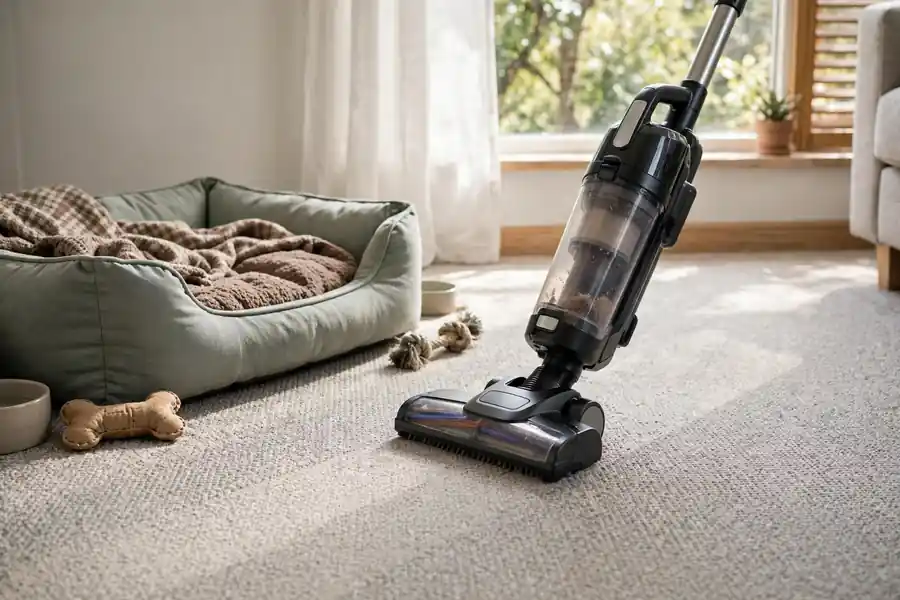
Because pupae are protected and can wait. A flea pupa sits in a cocoon, and it can stay there for weeks until it senses a warm body, a vibration or carbon dioxide. Then it hatches. Insecticides do not reach most pupae, which is why you see new fleas two or three weeks after a good treatment. That is normal, and it is why the routine runs for a month.
What is the best flea treatment for the home?
Combine four things at once: treat the pets, clean, use a growth regulator spray and be patient. Any one of them alone leaves a gap. No source supports a single magic product, and brand rankings change often, so this guide ranks types, not brands.
| Treatment | What it does | Verdict |
|---|---|---|
| Pet flea product from a vet | Kills fleas on the animal before they lay eggs | Start here. Without it, the house is reinfested |
| Vacuuming | Pulls up eggs, larvae and some pupae, and the vibration may prompt pupae to hatch | Daily for two weeks |
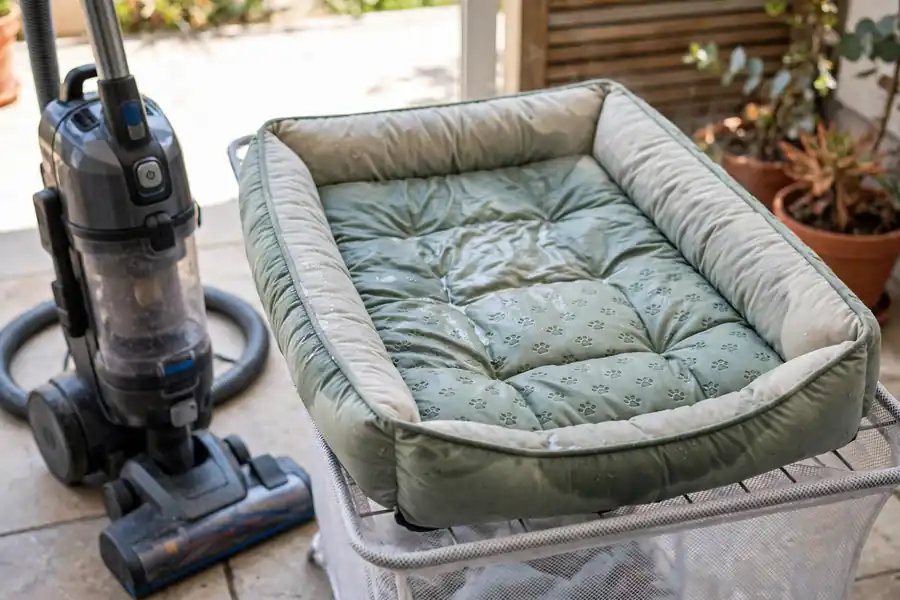
| Hot washing and drying | Kills all stages in bedding and fabrics | Do pet beds, throws and bedding every few days |
| Insect growth regulator (IGR) spray | Keeps eggs and larvae from becoming biting adults | The key product for the house. Use as labeled |
| Adult-killing spray | Kills the fleas it touches | Useful with an IGR. Many sprays combine both |
| Steam cleaning | Heat and moisture reach carpet fibers | Good where the label and the floor allow |
| Boric acid or diatomaceous earth | Dries out or damages larvae when worked into carpet | Mixed proof, and keep it away from pets and breathing |
| Flea fogger or bomb | Releases mist into the air | Skip. Poor reach under furniture, and a fire risk |
| Plant oil sprays | Little proof | Skip. Several oils harm cats and dogs |
An insect growth regulator (IGR) is an ingredient, such as methoprene or pyriproxyfen, that acts like a hormone and stops young fleas from maturing. It does not kill adults, so many house sprays pair it with an adult killer. Claims that an IGR lasts for months in carpet vary by product, so follow the label for reapplication.
How do you treat the pets first?
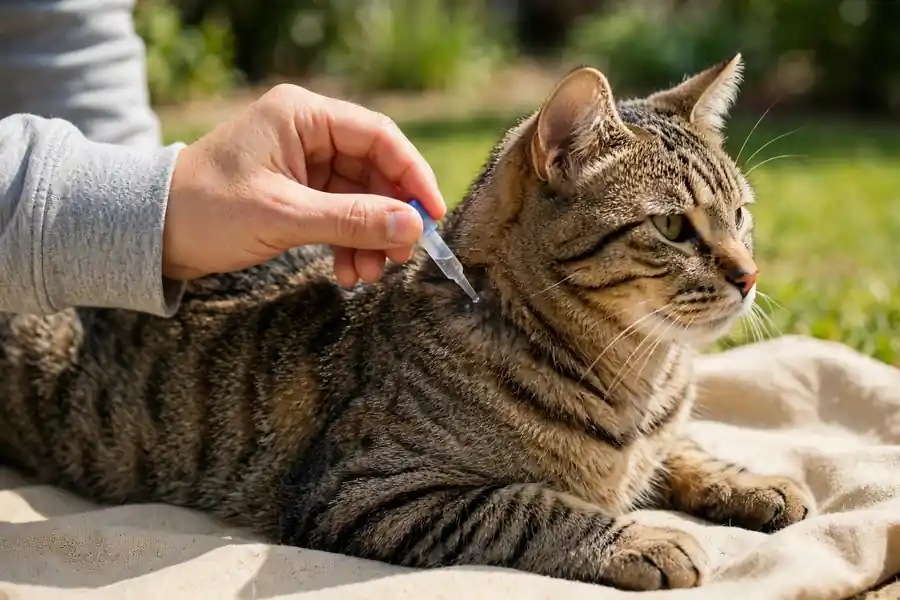
Treat every dog and cat with a flea product your vet recommends, on the same day you treat the house. The pet is where adult fleas feed and breed, so skipping it undoes your work. The right product depends on the animal's age, weight and health, and some are only safe for one species.
- Cats: never use a dog flea product on a cat. Some dog products contain ingredients, such as permethrin, that can seriously harm cats. Ask your vet, and read the label.
- Dogs: use a product made for dogs and sized for their weight. Oral, spot-on and collar types exist, and a vet can help you pick one.
- Fast relief: a bath with a gentle pet shampoo and a fine flea comb removes fleas right away. A comb dipped in soapy water kills what it catches. This is relief, not a full treatment.
- Puppies, kittens, older or sick pets: ask a vet before using anything.
- Ticks: many pet products cover fleas and ticks together, but house sprays here target fleas. If you also find ticks, ask your vet which product covers both.
- Home remedies on the pet: vinegar, lemon or salt rinses do not treat a flea problem and can irritate skin, so use a comb, a gentle bath and a vet-approved product.
Pet-safe is a label claim, not a guarantee. When in doubt, call your vet or the product maker.
How do you kill fleas in carpets, furniture and beds?
Vacuum slowly, wash what you can and spray what you cannot. Fleas gather where pets rest and sleep, so start there and work outward.
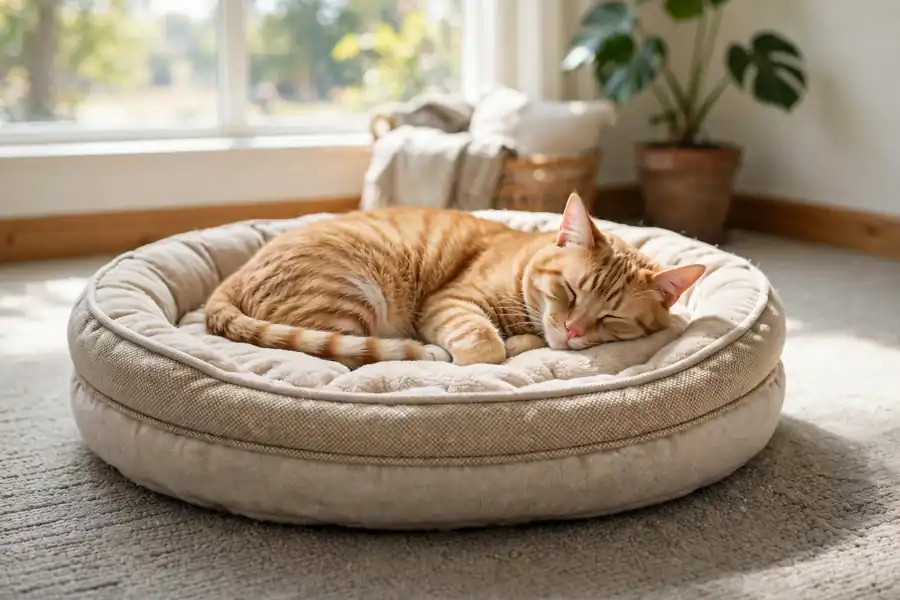
- Vacuum carpets, rugs, sofas, baseboards and floor cracks. Go slowly, then empty the canister or seal the bag and put it in an outdoor trash can right away.
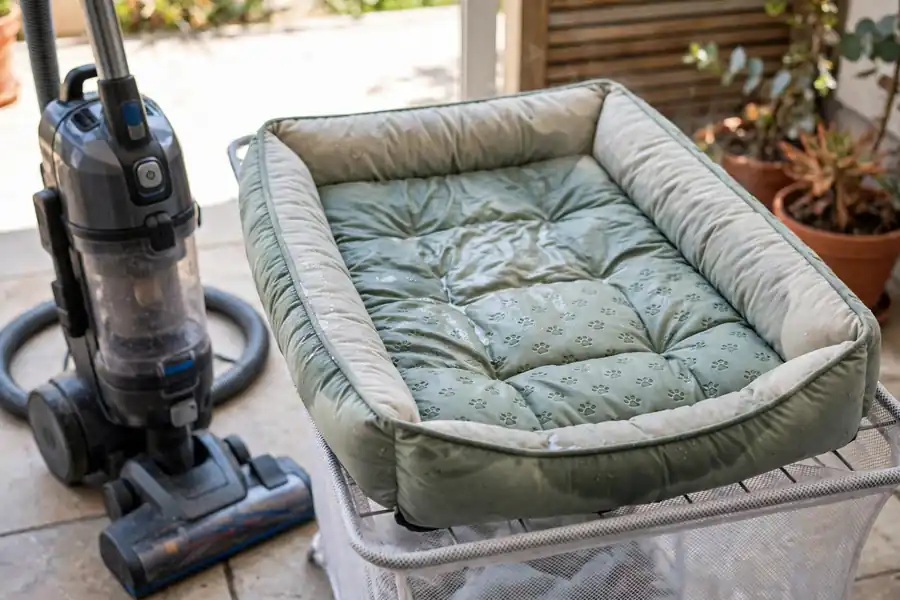
- Wash pet bedding, blankets, throws and your own bedding in hot water, then dry on high heat. Sources differ on the exact temperature, so use the hottest setting the fabric allows.
- Spray carpets, rugs, pet resting spots, sofa edges and baseboards with a flea spray labeled for indoor use, following the directions. Treat one room at a time.
- Let it dry, and keep people and pets out of the room as the label says before going back in.
- Repeat the vacuuming each day, and re-treat when the label says to.
A hard floor needs less. Vacuum, mop and pay attention to cracks, baseboards and rugs. Do not spray finished wood floors unless the product is labeled for them. On vinyl floors, check how to clean vinyl flooring before using strong products.
If you have had a professional treatment, follow their advice on vacuuming. Some advise waiting a short time so the product can work.
What is the best non-toxic flea treatment for the home?
Mechanical methods are the best non-toxic choice: vacuuming, hot washing, steam and a flea comb. They do not kill every stage on their own, but they remove many and cost little. Several natural-sounding products come with caveats.
| Option | What to know |
|---|---|
| Vacuuming and washing | The most reliable non-toxic steps. Do them daily at first |
| Steam cleaner | Reaches into fibers. Check the label on the floor and fabric |
| Flea comb and bath | Removes adult fleas from the pet. Does not clear the house |
| Diatomaceous earth | A dry powder that damages fleas on contact. Proof is mixed. Use food-grade only, keep it dry, avoid breathing it and keep it out of garden beds |
| Boric acid powder | Used in carpet by some pros. Keep it away from pets and children |
| Beneficial nematodes | Tiny worms that eat flea larvae in outdoor soil. Not for indoors or pets |
| Lemon, vinegar or salt sprays | Little proof. Salt and vinegar can mark fabrics and floors |
| Plant oils | Avoid. Tea tree, peppermint and others can harm cats and dogs |
A soapy water dish placed under a night light catches a few fleas, so it helps you gauge progress, but it will not end an infestation.
Do flea bombs work?
Not well. A flea bomb sends mist into the air, and the mist does not get under furniture or deep into carpet where eggs and larvae sit. Foggers also carry real risks: the propellant can catch fire near a pilot light or spark, and breathing the mist can cause irritation. A targeted spray is a better choice for coverage and safety. If you do use a fogger, follow the label to the letter, turn off pilot lights, cover food and move people and pets out.
Best flea treatment for the yard
Treat only the shady spots where pets rest. Fleas do poorly in hot, dry, sunny lawn, so mow, rake leaves and trim brush, then treat shaded areas under decks, porches and shrubs. Beneficial nematodes, watered in on cool, damp soil, are a low-risk biological option that are slower than chemical sprays. Outdoor products are labeled for specific sites, so read the label, and keep pets off until it has dried. Wildlife that visits the yard can restock fleas, so keep it out where you can.
How long does it take to get rid of fleas?
Plan for three to four weeks, and sometimes longer. You may see new fleas for the first two or three weeks as pupae hatch. If the routine is working, bites and sightings drop after about ten days, and the last ones tend to disappear by the end of the month. Stopping at the first quiet week is the usual mistake.
Can you get rid of fleas overnight?
No. You can start tonight and cut the number a lot: treat the pets, vacuum, hot-wash bedding and spray the hot spots. But eggs and pupae are still there, so the full job takes weeks. Beware of any promise to kill every flea in one night.
Can you get rid of fleas permanently?
You can clear an infestation, but you cannot make your home flea-proof forever. Fleas come in on pets, wildlife and secondhand items. Keep pets on year-round prevention from your vet, wash pet bedding often, vacuum weekly and treat the yard if wildlife visits. If you rent, tell your landlord, since neighbors can be a source.
How do you stay safe while treating?
Read the label, ventilate and keep everyone away from wet surfaces.
Move birds out and cover fish tanks. Keep pets and children out until the surface is dry, as the label says. Wash your hands after. Store products out of reach.
How much does flea treatment cost?
DIY costs are modest: a spray, a vacuum bag or two, laundry and pet treatments, often $30 to $100 for the house plus the pet product. A professional visit often runs about $100 to $400, with a follow-up visit in a couple of weeks. These are rough 2026 estimates that vary by region and home size, so ask for a written quote.
When should you call a pro or a vet?
Call your vet first if a pet is scratching hard, has sores, is a puppy or kitten, or is unwell, since heavy fleas can cause anemia in small animals. Call a pest professional if fleas are in several rooms, if you still see them after a full month of treatment, or if you cannot treat the pets. For other fabric pests, see the carpet beetle guide.
Quick answers to common questions
What is the most effective flea treatment for home use?
Treat every pet with a vet-approved product, vacuum and hot-wash daily, and use a flea spray with an insect growth regulator on carpets and furniture. Keep it up for three to four weeks.
How do you permanently kill fleas in your house?
Break the life cycle with a month-long routine, then keep pets on year-round prevention and vacuum weekly.
How do you get rid of fleas in the house overnight?
You cannot finish overnight, but you can start: treat the pets, vacuum, wash bedding hot and spray hot spots.
Do flea bombs work?
Poorly. The mist misses furniture and eggs, and foggers carry a fire risk. A targeted spray works better.
What is the best non-toxic flea treatment for the home?
Daily vacuuming, hot washing, steam cleaning and a flea comb. Skip plant oils, which can harm cats and dogs.
Keep reading: how to get rid of carpet beetles and more pest control guides.
Is the best flea treatment for home worth the effort?
Yes, because skipping any step brings fleas back. The best flea treatment for home takes about a month and costs far less than a failed round of foggers and repeat sprays. Treat the pets, clean daily, use a growth regulator spray and keep going until two quiet weeks have passed.