Confirm that they are termites, find where they live, and have a licensed pro treat the colony. Termites hide inside wood and soil, so surface sprays and home remedies rarely reach them. You can help by fixing leaks, moving wood off the soil and treating small items yourself, but a real infestation in a house needs a proper soil barrier, bait or fumigation. Act soon, because termites keep eating while you wait.
How to get rid of termites at a glance
| Question | Short answer |
|---|---|
| First step | Do not spray. Identify the termite and find the signs |
| Flying termites indoors | Vacuum them up, save a few, and call a pro |
| Termites in the house or walls | A licensed inspection, then soil treatment, bait or fumigation |
| Termites in furniture | Freeze or heat small pieces, or hire a pro for larger ones |
| Termites in mulch, stumps, firewood | Move wood and mulch away from the house, remove stumps |
| Home remedies | Little evidence that they work on a real infestation |
| Time to clear | Days for tenting, weeks to a few months for soil or bait |
| Gone for good? | Rarely guaranteed. Plan on yearly inspections |
How do you know you have termites?
Look for mud tubes, hollow-sounding wood, pellets and discarded wings. Termites work out of sight, so the signs are often small. Several signs together make a stronger case than one, and a pro can confirm which species you have.
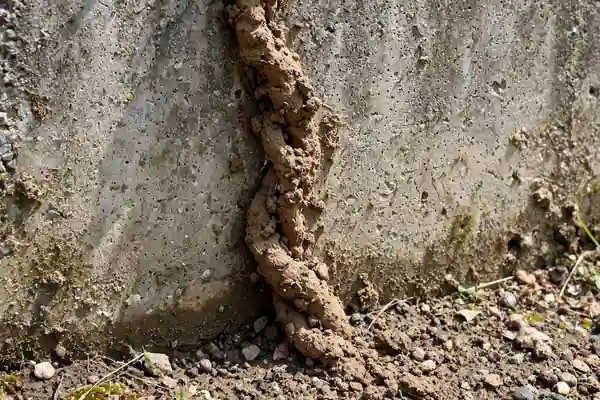
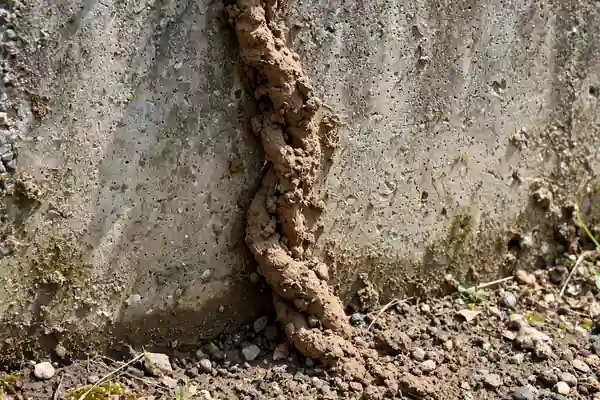
- Mud tubes on the foundation or the base of walls point to subterranean termites.
- Hollow-sounding wood when you tap trim, baseboards or framing.
- Small pellets that look like sawdust or coffee grounds, often with six sides, point to drywood termites.
- Pinholes in wood or drywall, capped with soil or with pellets.
- Bubbling or peeling paint can be a sign, but it also looks like water damage.
- Discarded wings near windows and doors.
For more on how the main types of termite differ and how they are treated, see the termite treatment guide.
How do you get rid of termites in the house, step by step?
Identify, inspect, treat professionally, and fix what invited them. Doing the steps in order prevents wasted money and keeps the colony from scattering.
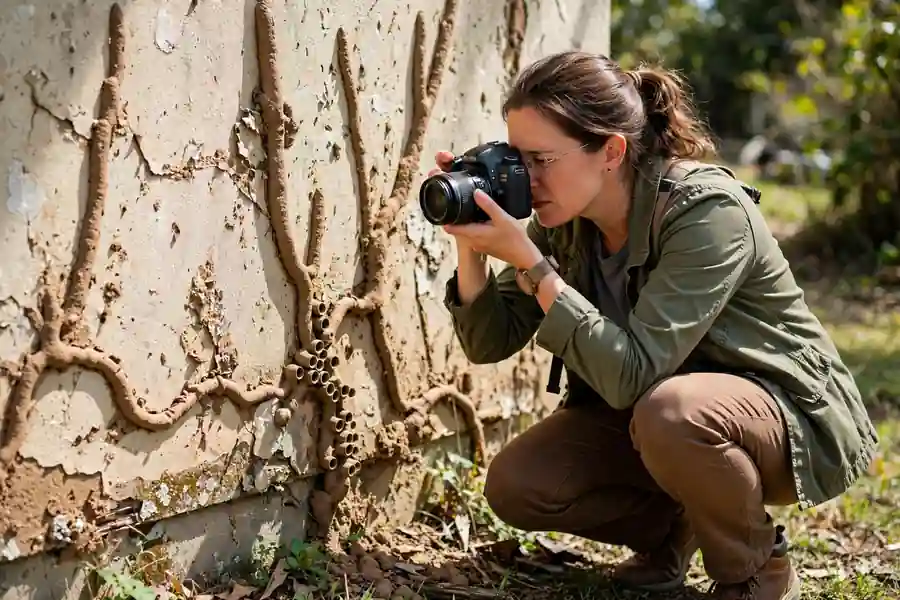
- Do not spray. Over-the-counter sprays kill the few termites you see and can push the colony to feed elsewhere.
- Collect evidence. Photograph mud tubes, pellets and damage, and save a few insects in a jar or on tape.
- Get an inspection. Hire a licensed pest professional, and get two or three written quotes for the same method.
- Treat the colony. A soil barrier or bait for subterranean termites, and tenting, heat or spot treatment for drywood termites.
- Fix the conditions. Repair leaks, improve drainage, move wood and mulch off the house, and lift stored boxes off the floor.
- Keep inspecting. Schedule a yearly inspection, and keep any warranty paperwork.
What should you do about flying termites or swarmers?
Do not spray them. Vacuum them up, save a few, note where they came from and call a pest pro for an inspection. Swarmers are the winged adults that leave a mature colony. Seeing them indoors often means a colony is nearby, and possibly inside. The swarm is brief, often just a few minutes, and the winged termites do not eat wood. They die on their own unless they reach soil.
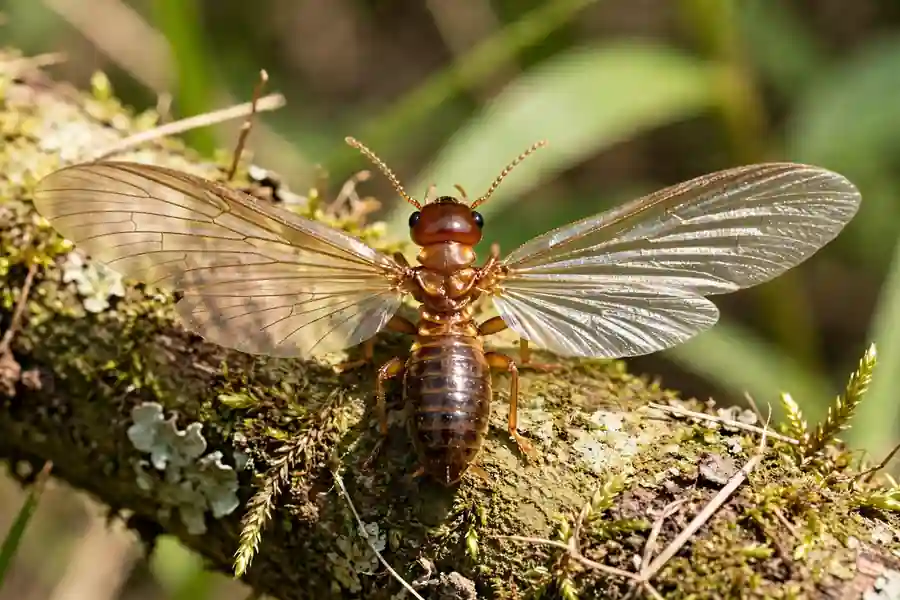
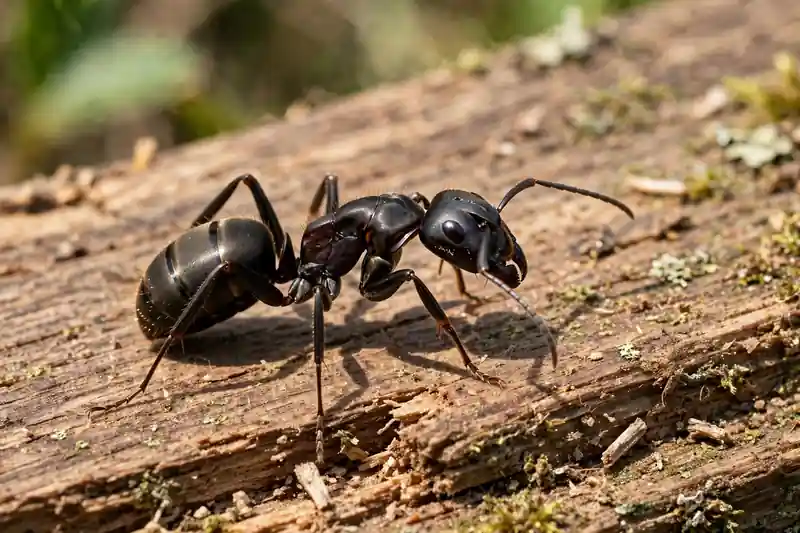
- Check the waist, antennae and wings. Termites have a thick body, straight antennae and wings of equal length. Flying ants have a pinched waist, elbowed antennae and unequal wings.
- Do not seal the exit holes or open the wall. Sealing can send them to a new spot.
- Turn off lights near windows, since swarmers fly toward light.
- Look for piles of wings on windowsills. They usually mean swarmers have been inside.
- Book an inspection even if the swarm is over. A swarm that came from outside may be the neighbor's, but one inside needs checking.
Swarming usually happens in warm weather, and many people notice it on warm days after rain. To tell termites from ants, see how to get rid of ants.
How do you get rid of termites in walls?
You need a professional, because the colony or its trail is inside or beneath the wall. A pro can find the activity, treat the soil outside and under the slab, or inject the wall void, and then recheck. Opening walls to hunt is rarely a good first step.
- Tap trim, baseboards and framing, and listen for hollow areas.
- Look for mud tubes where the wall meets the foundation.
- Note any bubbling paint or pinholes in drywall.
- Fire-rated drywall is not usually tunneled, so a hollow sound there may not mean termites.
- Do not drill or cut open walls yourself. A pro can use probes, borescopes or moisture checks first.
Treatment depends on the type. Subterranean termites are handled with soil treatment or bait around the house. Drywood termites in a wall may need tenting or spot treatment. The same walls often need repair afterward.
How do you get rid of drywood termites?
Treat the wood itself. Drywood termites live entirely inside dry wood, with no soil contact. Tent fumigation reaches every room, while spot treatment, foam, heat or orange oil suit small, found patches. The termite treatment guide compares these methods, their costs and how long they last.
Signs include small six-sided pellets pushed out of tiny holes in wood. If you can see pellets in more than one room, the infestation is likely widespread, and tenting is often the thorough choice.
How do you get rid of subterranean termites or ground termites?
Treat the soil. Subterranean termites live in colonies in the ground and travel into your home through mud tubes. A professional applies a liquid termiticide in a trench around the foundation, drills slabs to treat soil beneath, or installs bait stations. Many companies combine them. A soil barrier typically lasts around five years or more, and bait needs regular checks.
You cannot fully replace this work with sprays. A barrier has to be continuous, and the volume of product is large, which is why full soil treatment is rarely a DIY job.
How do you get rid of termites in furniture?
Treat small pieces by freezing or heat, and call a pro for large or valuable ones. Most termites in furniture are drywood termites. A clue is small, ridged pellets the color of the wood. They can arrive in secondhand pieces.
| Method | How it works | Notes |
|---|---|---|
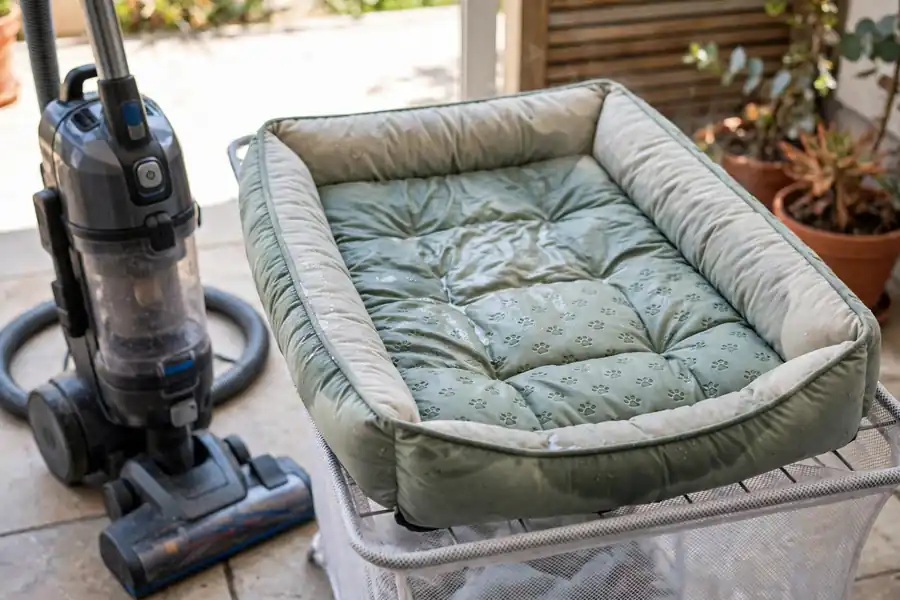
| Freezing | Wrap the item in plastic and freeze it. Guidance ranges from about 72 hours at 0°F to about two weeks | Good for small items that fit a freezer. Thicker wood needs longer. Let it warm up while still wrapped |
| Heat | A professional heats the item past the point termites survive | Can loosen glue and warp plastic, so use a pro for valuable pieces |
| Fumigation | The item is sealed in a chamber and treated with gas | Done by licensed professionals |
| Surface treatment | A product that soaks into the wood | A pro should choose and apply it |
Frozen glue joints are fragile, so handle the piece gently. Termites in a wooden bed frame, shelf or cabinet that is part of the house structure are treated like any other drywood infestation.
How do you get rid of termites in the yard, mulch, trees and stumps?
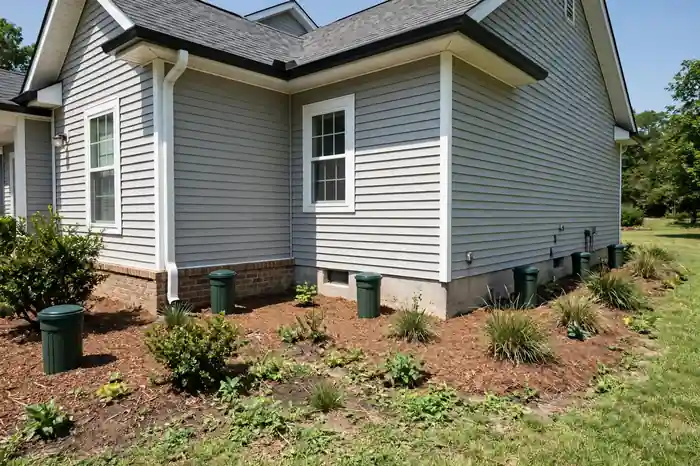
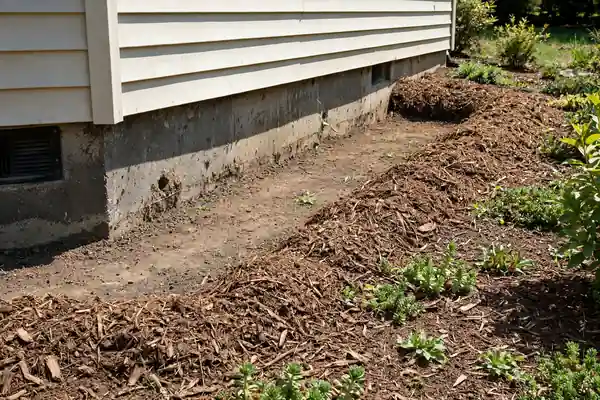
Remove the things that give termites food and a path to your house. Termites eat dead wood and wood debris outdoors, and most of what lives there is not a threat to your home. The goal is to keep wood and moisture away from the foundation.
| Place | What to do |
|---|---|
| Mulch | Termites are not drawn to mulch, but it can hold moisture and give them a path. Keep it about a foot from the foundation, and never pile it against a tree trunk |
| Stumps and dead trees | Remove stumps near the house, and cut down dead or heavily infested trees |
| Live trees | Usually not harmed. Some species attack live trees in certain regions, so ask a pro if a tree looks damaged |
| Firewood and scrap lumber | Store off the ground and several feet from the house |
| Fences, decks and sheds | Keep wood off bare soil, fix leaks, and look for mud tubes on posts |
| Garden soil and plants | Check what you found. Many insects mistaken for termites are ants. Remove dead wood and old mulch from beds |
If you see termites in a yard or a tree, you do not always need treatment. Check whether mud tubes or wood-to-soil contact lead toward the house, and have an inspector look if they do.
How do you get rid of termites in the bathroom?
Fix the moisture first. Bathroom problems are often dampwood termites, which are larger and need wet, rotting wood. Extension guidance says that for dampwood termites the most common fix needs no pesticide, because once the wood dries out, the colony dies. Damaged wood may need replacing. Because subterranean termites can also reach a bathroom through a leak, have an inspector confirm the species.
- Repair leaking pipes, drains, tubs and roof leaks.
- Reseal failing caulk and grout.
- Run the exhaust fan, and fix poor ventilation.
- Replace soft, damaged wood.
- Ask an inspector to rule out a soil colony.
How do you get rid of termites in an apartment or condo?
Tell the landlord or association in writing. In most rentals, termite treatment is the landlord's responsibility, because it affects the building's safety and habitability. Your lease may change that, so read it. Tenants generally pay only if their own actions caused the problem.
- Notify the landlord or property manager in writing, with photos.
- Keep copies of messages and the lease.
- Give pest professionals access to your unit.
- Know that termites can spread through shared walls, so a unit-only treatment may not be enough.
- For a condo, check the association's rules about common walls and the building.
Can you get rid of termites yourself?
You can do some things, but not the core treatment of an active infestation. DIY is realistic for prevention and small outdoor problems. It is a poor fit for colonies in the soil or in the house.
| Task | DIY realistic? | Notes |
|---|---|---|
| Fix leaks, lift wood off the soil, clear mulch | Yes | The basics of prevention |
| Treat a small item with freezing | Yes | Only for small furniture |
| Borate on bare, exposed wood | Partly | Prevention, not a cure for a deep infestation |
| Store-bought bait stakes | Limited | Labels say not to rely on them alone. Get an inspection for an active infestation |
| Spray or powder in the wall | No | It rarely reaches the colony |
| Soil barrier around a house | Rarely | Large volumes, trenching and drilling |
| Tenting | No | Only licensed operators can do it |
Boric acid is a common DIY product. A university-type view is that boric acid powder is weak against subterranean termites in the soil, because it does not spread through the colony or form a barrier. It has more use as a wood treatment or as a dust injected into drywood galleries, and even then it is a prevention or spot tool.
How do you get rid of termites naturally or with home remedies?
Home remedies rarely clear a real infestation. Vinegar, salt, plant oils and cardboard traps may kill a few termites you can see, but they do not reach the colony. If you want a low-chemical route, the options with some backing are borate on wood, heat, freezing small items, orange oil for small drywood patches, and fixing moisture for dampwood termites.
| Remedy | What it does | Verdict |
|---|---|---|
| Vinegar or salt | May kill termites it touches | Does not reach the colony |
| Plant oils | May kill a few on contact | No reliable evidence of colony control |
| Cardboard trap | Termites feed on it | Catches some, does not treat the nest |
| Orange oil | Contact kill in galleries | Works only on small, shallow drywood patches |
| Boric acid | Slow poison | Limited against soil colonies. Better on wood |
| Fix moisture | Starves dampwood termites | Works for dampwood termites |
What kills termites instantly?
Nothing treats a whole colony instantly. A contact spray kills the termites it touches, which is a small fraction of the colony. The slow poisons in baits and soil treatments are slow on purpose, so termites carry them to the colony.
How long does it take to get rid of termites?
Anywhere from days to a few months, depending on the method. Tent fumigation is fastest, often a few days. Soil treatments can take a few weeks, with some estimates running to about three months. Bait stations take roughly 15 to 90 days.
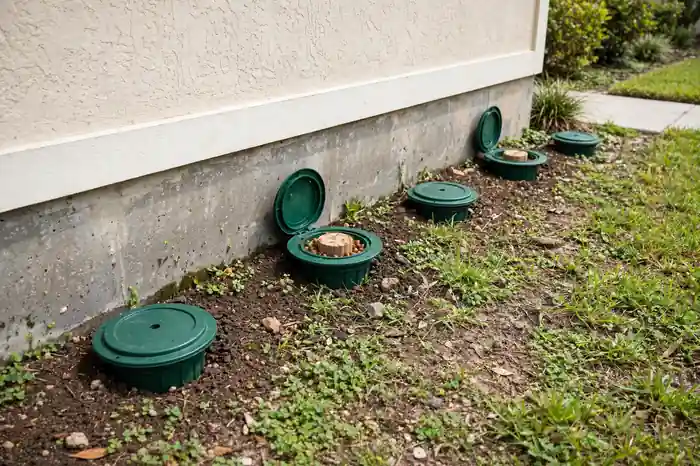
Signs that treatment is working include fewer swarmers, fewer mud tubes and no new damage. Call the company if you see new activity, and do not stack your own spray on top of their treatment.
Can you get rid of termites permanently?
You can eliminate a colony, but no one can promise termites will never return, because they live in the soil nearby. Yearly inspections, dry wood-free foundations and a warranty are the practical answer. See how long termite treatment lasts for how long each treatment protects a home and what shortens a soil barrier.
How much does it cost to get rid of termites?
Most professional treatment costs about $1,200 to $4,000, with big tenting jobs reaching $8,000 or more, and spot treatment starting around a few hundred dollars. The termite treatment guide has a full cost breakdown, a way to estimate your own job and ratings for each method.
How hard is it to get rid of termites?
It is manageable with a professional, and hard to do alone. The hard parts are finding every colony, reaching hidden wood and keeping a continuous barrier. The easy parts are noticing early and keeping wood dry and off the soil. The sooner you act, the less damage you will have to repair.
Quick answers to common questions
How do you get rid of termites in your house?
Identify them, get a licensed inspection and treat the colony with a soil barrier, bait, tenting or spot treatment. Fix leaks and move wood off the soil.
How do you get rid of flying termites?
Vacuum them, save a few and call a pest pro. Do not spray, and do not seal the holes.
Can you get rid of termites yourself?
You can prevent them and treat small items, but a real infestation needs professional treatment.
How long does it take to get rid of termites?
Days for tenting, and weeks to a few months for soil treatments and baits.
Can you get rid of termites permanently?
You can clear a colony, but they can return. Yearly inspections and dry, wood-free foundations keep the risk down.
Keep reading: termite treatment: types, costs and DIY options, how to get rid of ants and more pest control guides.
Is it hard to get rid of termites for good?
It takes a plan, but you can control them. To get rid of termites, confirm the species, have a licensed pro treat the colony, and fix the damp and wood-to-soil contact that invited them. Keep inspecting every year, because termites are easier and cheaper to stop early.