Vinyl flooring is a strong choice when you want a durable, water-tolerant floor at a modest price. Its main pros are low cost, water resistance, easy cleaning, a soft feel and many realistic looks. Its main cons are that it cannot be refinished, it can dent or stain, it fades in strong sun, it adds less resale appeal than hardwood, and it is hard to recycle. Choose it for kitchens, baths and busy family rooms, and skip it when resale value comes first.
The pros and cons at a glance
| Pros | Cons |
|---|---|
| Resists water, spills and stains | Cannot be refinished |
| Costs less than wood or tile | Dents and gouges can be permanent |
| Soft and quiet underfoot | Fades in strong direct sun |
| Many wood, stone and concrete looks | Rubber-backed mats can stain it |
| Easy to clean | Lower resale appeal than hardwood |
| Click-lock options suit DIY | Hard to recycle, and a plastic-based product |
What are the pros of vinyl flooring?
It resists water and spills
The vinyl itself does not absorb water, so spills, mopping and humidity do not swell or rot it the way they ruin wood or laminate. That makes it a go-to for kitchens, bathrooms, laundry rooms and entries. The floor as a system is still only as waterproof as its seams and subfloor, so wipe up standing water and fix leaks promptly.
It costs less than most floors
Vinyl runs about $1 to $7 per square foot for the material in 2026 estimates, and about $3 to $9 per square foot installed. That is well below hardwood or tile, and sheet vinyl can cost less than $1 per square foot at the low end. A 300 square foot room often costs about $900 to $2,700 installed.
It is comfortable and quiet
Vinyl is softer and warmer underfoot than tile, stone or laminate, and many products have an attached foam pad that cuts noise. That makes it easier on feet and legs in kitchens and playrooms.
It comes in many looks
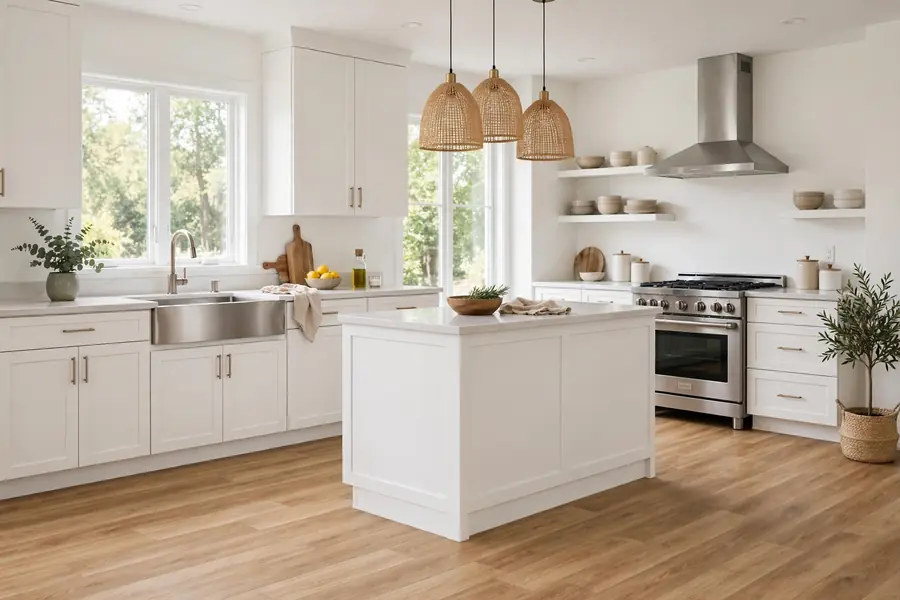
Printed layers copy oak, walnut, slate, concrete and marble. Planks, tiles and sheets let you match almost any style, and good products have texture that follows the printed grain.
It is easy to clean and maintain
A routine of sweeping and damp mopping with a neutral cleaner is enough. There is no sanding, staining or waxing for modern luxury vinyl.
It is friendly to DIY
Click-lock planks float over a flat, dry subfloor with basic tools, so many homeowners install them without help. That saves the labor line, which is often $2.50 to $4.50 per square foot.
It handles busy homes
A wear layer of 12 mil suits most homes, and 20 mil or more suits pets, kids and heavy traffic. A good vinyl floor shrugs off daily wear.
What are the cons of vinyl flooring?
It cannot be refinished
You cannot sand and refinish vinyl. When the wear layer wears through, the answer is replacement, either of a few planks or of the whole floor. That is the biggest long-term difference from hardwood.
It can dent, gouge and tear
Heavy furniture without pads, dropped pans and sharp objects can leave dents or gouges. Sources note that such damage is difficult to patch, and a damaged plank or tile is often replaced. Felt pads and care with sharp objects prevent most of it.
It can fade or stain
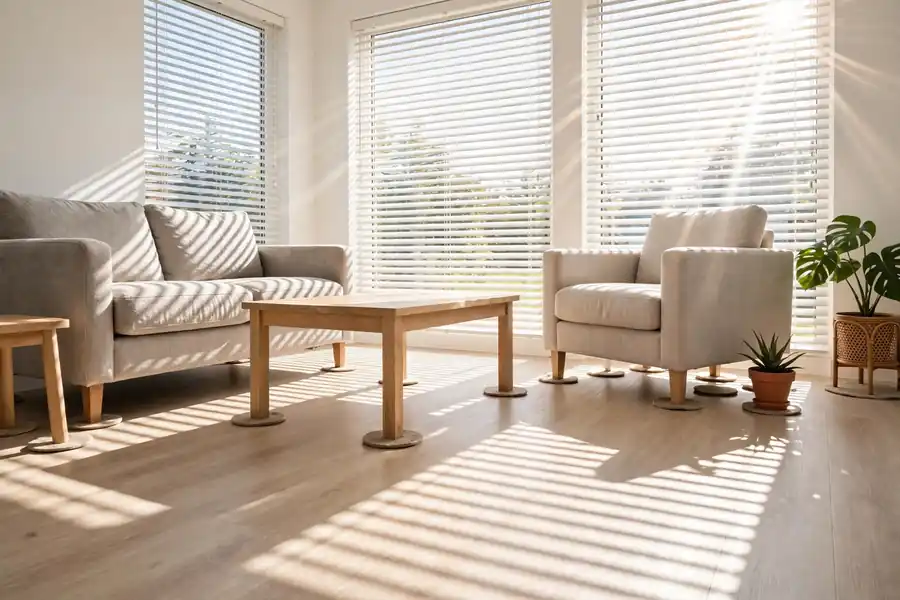
Strong direct sunlight can discolor vinyl over time, so sunny rooms need window coverings. Some rubber, such as the backing on a floor mat, can also leave a lasting stain. Use mats labeled safe for vinyl, and avoid leaving rubber on the floor for long periods.
It adds less resale appeal than hardwood
Real hardwood usually gets more credit from buyers than luxury vinyl. Engineered hardwood comes close, while vinyl is seen as practical, and some higher-end buyers see it as a step down. It still helps marketability in kitchens and baths where durability matters. There is no solid figure for how much value any floor adds.
It can trap water under the floor
The surface resists water, but water that gets through seams or the wall gap can sit on the subfloor and cause mold. This is a hidden risk after leaks, especially with glue-down floors. Dry the subfloor properly if water gets under the vinyl.
It can show subfloor flaws
Thin vinyl can telegraph bumps, grout lines and debris from the floor beneath. Prepare the subfloor well, and choose a thicker or rigid-core product if the floor is not perfect.
It is hard to recycle
Vinyl is a plastic-based product, mostly PVC, and recycling options are limited depending on the brand and composition. For a short time after installation it can also release volatile organic compounds, so look for low-emission certification such as FloorScore and let the room air out.
Which type of vinyl has which pros and cons?
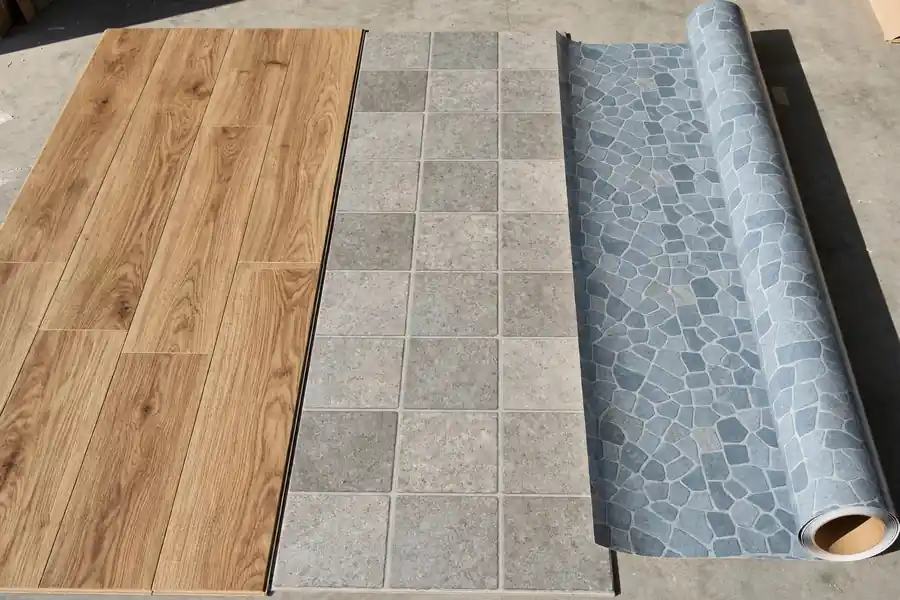
Each vinyl type has its own strengths. Sheet vinyl is cheapest, luxury vinyl plank is the best all-rounder, luxury vinyl tile suits stone looks, and VCT is a commercial workhorse.
How does vinyl compare with laminate, hardwood and tile?
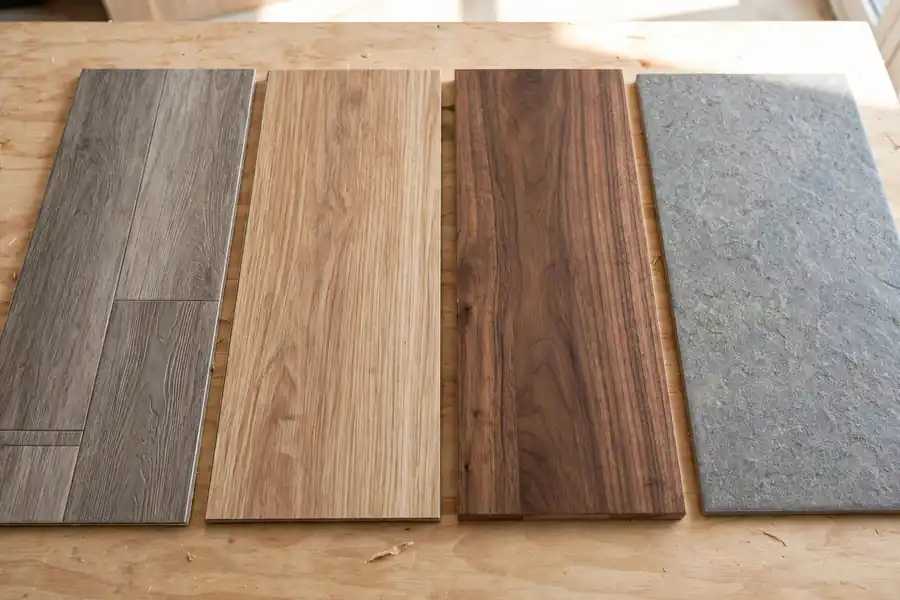
Vinyl beats laminate and hardwood on water resistance, and it beats all three on price and comfort. Hardwood and tile win on lifespan and resale appeal.
| Vinyl | Laminate | Hardwood | Tile | |
|---|---|---|---|---|
| Water | Very good | Poor | Poor to fair | Excellent |
| Refinish | No | No | Yes | Not needed |
| Typical lifespan | 15 to 25 years | 15 to 25 years | Decades | Decades |
| Cost | Low | Low | High | Low to high |
How long does vinyl flooring last?
Basic vinyl often lasts about 10 to 20 years, and luxury vinyl is commonly said to last 15 to 25 years in a home. These are seller estimates, not lab results. The wear layer, the subfloor and the quality of the install matter most.
Does vinyl flooring increase home value?
It usually does not add the same premium as hardwood. Buyers tend to credit real wood more, and engineered hardwood comes close to it. Vinyl still helps a home show well when it is clean, current and well installed, especially in kitchens and baths. If you plan to sell soon in a higher-end home, compare the cost of hardwood or engineered wood.
How can you reduce the downsides of vinyl?
Most cons are easy to manage with a few choices. Pick a wear layer of 12 to 20 mil, use felt pads and safe mats, cover sunny windows, test and prepare the subfloor, and seal the edges in wet rooms. Choose a certified low-emission product and let the room air out after installation.
| Downside | What to do |
|---|---|
| Dents and gouges | Felt pads, care with sharp objects |
| Sun fading | Blinds, curtains or UV film |
| Rubber stains | Use mats made for vinyl |
| Trapped water | Seal edges, dry the subfloor after leaks |
| Subfloor flaws | Level and prepare the subfloor |
| Air quality | Choose certified products, ventilate |
Who should choose vinyl flooring?
Vinyl suits anyone who wants a practical, affordable floor for rooms with spills, traffic or pets. It is a smart choice for kitchens, bathrooms, laundry rooms, basements and rentals. It is a weaker choice for a high-end home where buyers expect real hardwood, or for a sunroom with intense direct sun.
Quick answers to common questions
Is vinyl flooring good for a house?
Yes, for most rooms. It is water-tolerant, affordable and comfortable, and it works well in busy family spaces.
What are the biggest disadvantages of vinyl flooring?
It cannot be refinished, it can dent, stain or fade, it adds less resale appeal than hardwood, and it is hard to recycle.
Does vinyl flooring increase home value?
Usually less than hardwood. It can still improve how a home shows, especially in kitchens and baths.
Is vinyl flooring better than laminate?
For wet rooms, yes, because laminate swells in water. In dry rooms, laminate can be good value, so compare samples.
How long does vinyl flooring last?
About 10 to 20 years for basic vinyl and 15 to 25 years for luxury vinyl, by common estimates.
Keep reading: vinyl flooring, whether vinyl flooring is waterproof and the best types of flooring for homes.
Is vinyl flooring worth it?
Vinyl flooring is worth it for most busy homes, because its pros of low cost, water tolerance and easy care outweigh its cons for the rooms where people live. The cons matter most if you want a floor you can refinish, plan to sell a high-end home, or have a very sunny room. Pick a good wear layer, prepare the subfloor and order a sample before you buy.