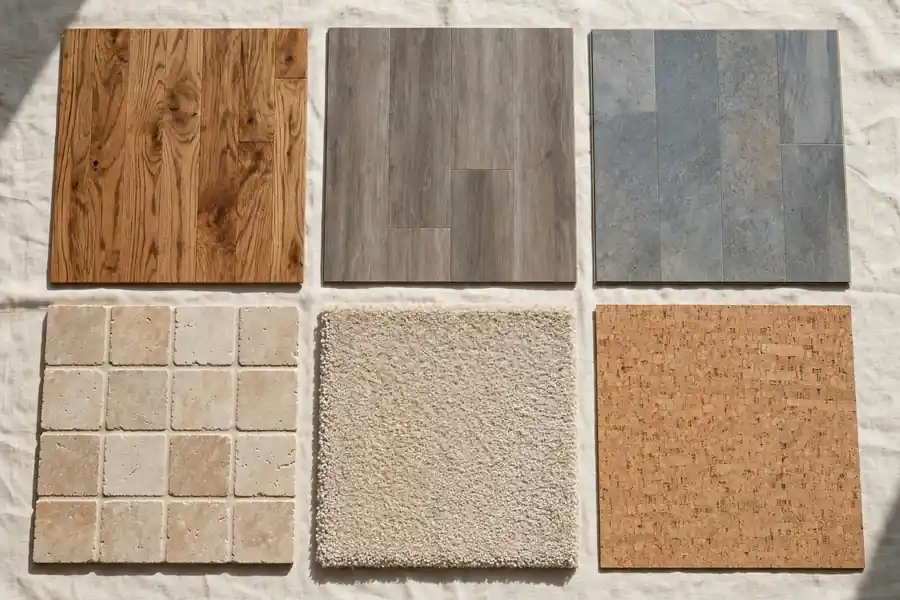
The best types of flooring for homes are hardwood or engineered hardwood for living areas, luxury vinyl or porcelain tile for kitchens, baths and basements, laminate for dry rooms on a budget, and carpet for bedrooms where you want softness. No single floor is best everywhere, so match each room to the way it is used and how much water it sees. This guide compares the main options by room, cost and lifespan.
The main types of flooring at a glance
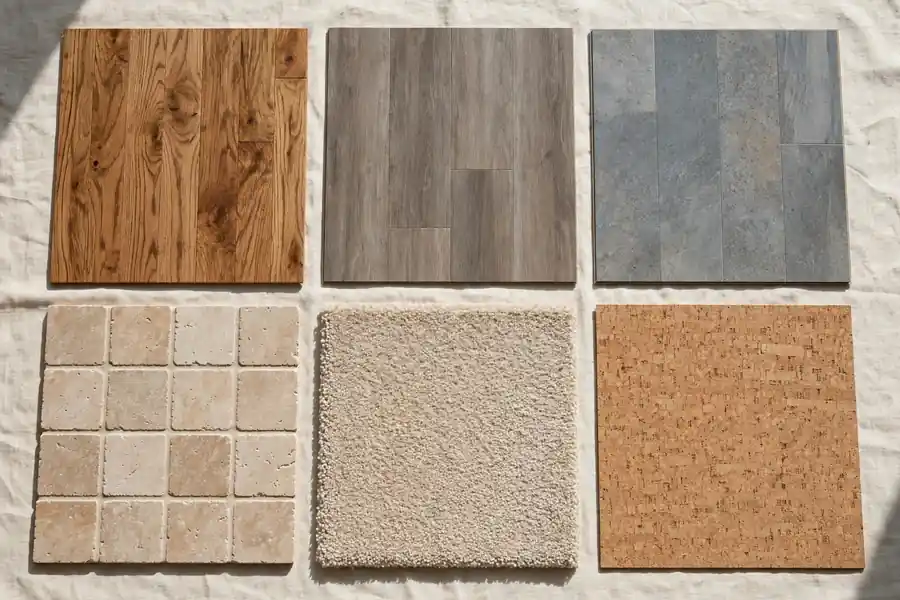
| Floor | Best for | Main drawback | Installed cost per sq ft (2026) |
|---|---|---|---|
| Solid hardwood | Living areas, bedrooms, halls | Water, dents | About $6 to $25 |
| Engineered hardwood | Living areas, slabs, radiant heat | Thin veneers cannot be refinished | About $4 to $18 |
| Laminate | Dry rooms on a budget | Swells in water | About $5 to $12 |
| Vinyl plank | Kitchens, baths, basements, family rooms | Dents, lower resale pull | About $3 to $9 |
| Porcelain tile | Wet rooms, entries, kitchens | Hard and cold underfoot | About $6 to $20 and up |
| Carpet | Bedrooms, family rooms | Stains and wear | Lower, varies by pile |
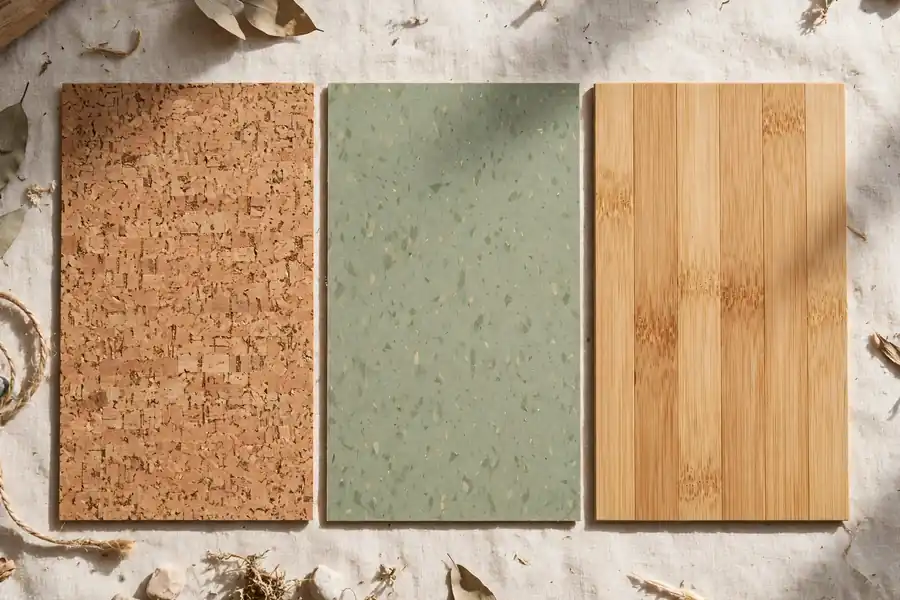
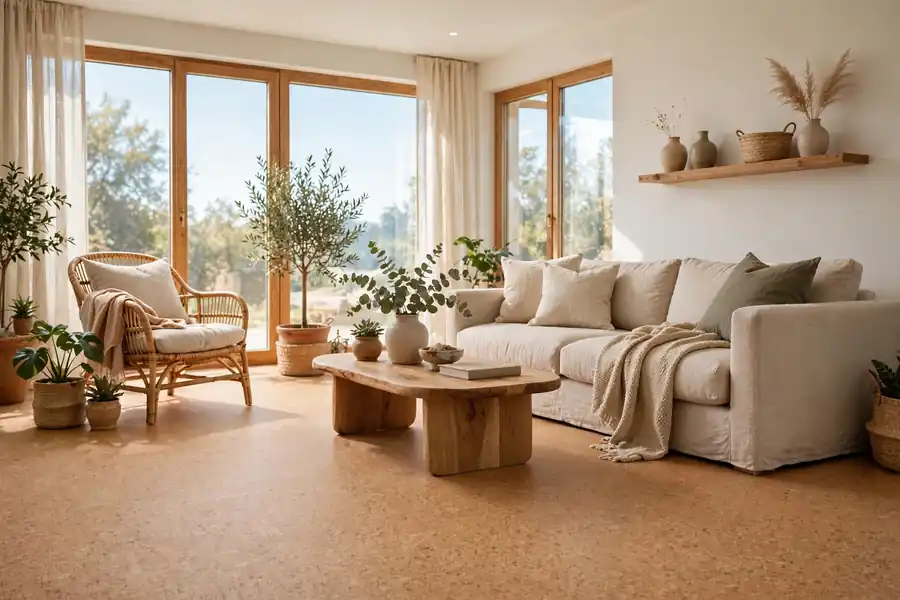
| Cork | Bedrooms, playrooms | Needs sealing, dents | Mid-range |
| Linoleum | Kitchens, halls | Needs sealing and care | Mid-range |
Cost ranges come from consumer guides and sellers and vary a lot, so use them to compare floors, not to budget a job.
Which flooring is best for each room?
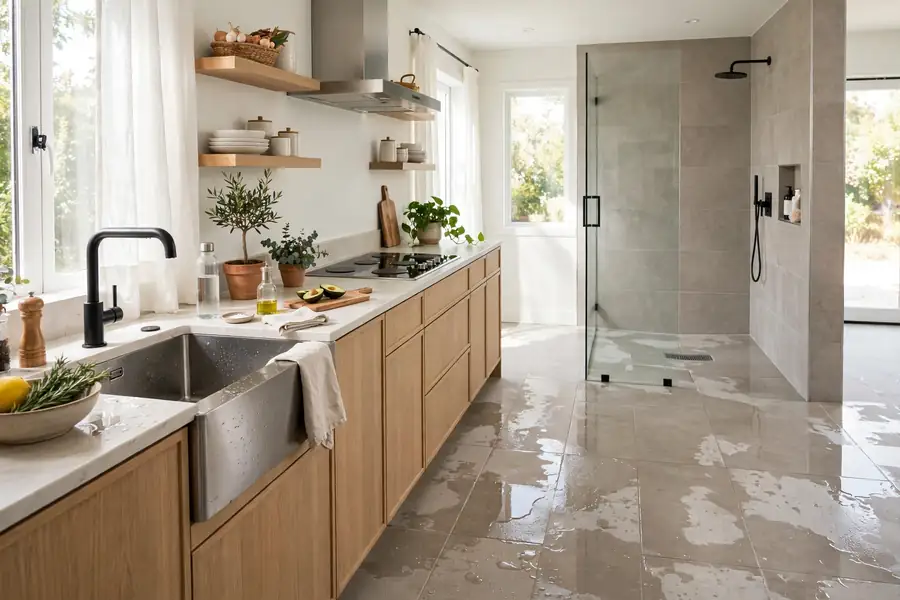
Wet rooms need tile or vinyl, dry rooms can use almost anything, and basements need the most careful choice. The grid below rates five common floors in six rooms.
| Room | Best choices | Avoid |
|---|---|---|
| Kitchen | Porcelain tile, luxury vinyl | Carpet, solid hardwood |
| Bathroom | Porcelain tile, vinyl | Hardwood, laminate, carpet |
| Bedroom | Carpet, engineered hardwood, vinyl plank, laminate | Nothing major |
| Living room | Hardwood, engineered hardwood, vinyl plank, laminate | Few limits |
| Basement | Luxury vinyl, tile with a moisture test | Solid hardwood, laminate |
| Entryway | Porcelain tile, tough vinyl | Carpet |
What is the best flooring for kitchens?
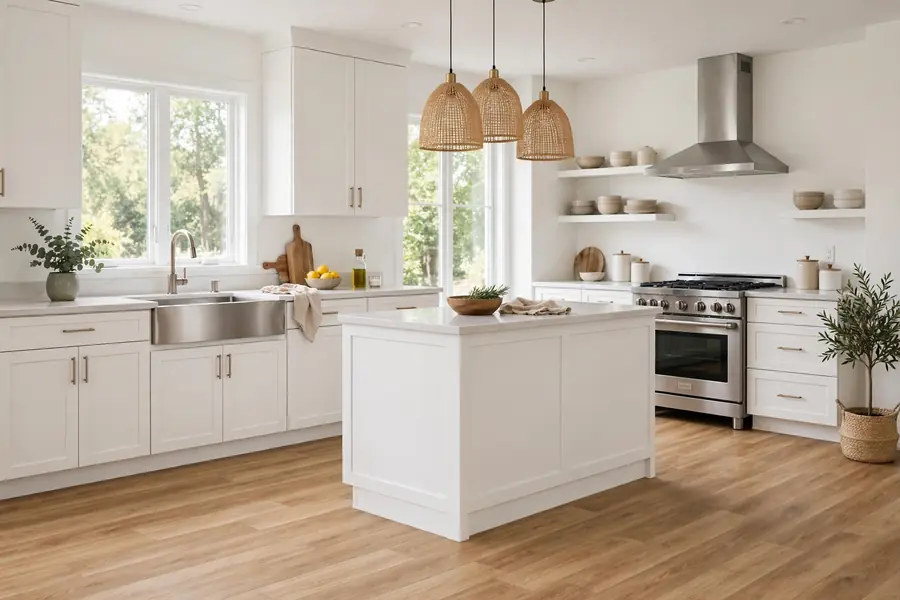
Porcelain tile and luxury vinyl are the best kitchen floors. Tile ignores spills and heat, and vinyl is softer underfoot and cheaper to install. Solid hardwood can warp in kitchens, and engineered boards with a protective finish can work if you wipe up spills quickly. Read more in what is luxury vinyl flooring.
What is the best flooring for bathrooms?
Porcelain tile or sheet vinyl, with sealed edges. Both handle splashes and steam. Laminate, carpet and solid wood are poor choices because water damages them. Vinyl resists water but is not fully waterproof, so seal the edges and keep the subfloor dry.
What is the best flooring for basements?
Luxury vinyl plank is the most practical basement floor. It handles moisture, goes over concrete and feels comfortable. Tile also works, but it can feel cold without radiant heat. Solid hardwood is generally avoided below grade, and engineered wood works only if it is rated for below-grade use with a moisture barrier. Test the slab for moisture before you install any floor, because moisture through concrete is a common cause of early failure.
What is the best flooring for living rooms and bedrooms?
Hardwood, engineered hardwood, vinyl plank and laminate suit living rooms. Bedrooms allow the widest range, and carpet is favored for warmth and quiet. In dry rooms, laminate gives a wood look at a low price, while engineered hardwood gives real wood and more stability than solid boards.
What are the pros and cons of each type?
Each floor trades something. Hardwood and tile last longest but cost the most. Vinyl and laminate are affordable but wear out sooner. Carpet is comfortable but stains.
| Floor | Pros | Cons |
|---|---|---|
| Hardwood | Real wood, can be refinished, lasts decades | Costly, dents, moisture |
| Engineered | Stable, many installation options | Veneer thickness limits refinishing |
| Laminate | Cheap, scratch-resistant | Water damage, cannot be refinished |
| Vinyl | Water-tolerant, affordable, easy to clean | Dents and lower resale appeal |
| Tile | Very durable, water-proof | Cold, hard, grout lines |
| Carpet | Soft, warm, quiet | Stains, shorter life |
| Cork | Soft, warm, renewable | Sun fading, dents |
| Linoleum | Natural, long-lived | Needs sealing |
How much do different floors cost?
Vinyl plank is the cheapest of the common options to install, laminate is next, and tile and hardwood cost the most. Many guides price vinyl at about $3 to $9 installed, laminate at $5 to $12, engineered wood at $4 to $18, porcelain tile at $6 to $20 or more, and solid hardwood at $6 to $25.
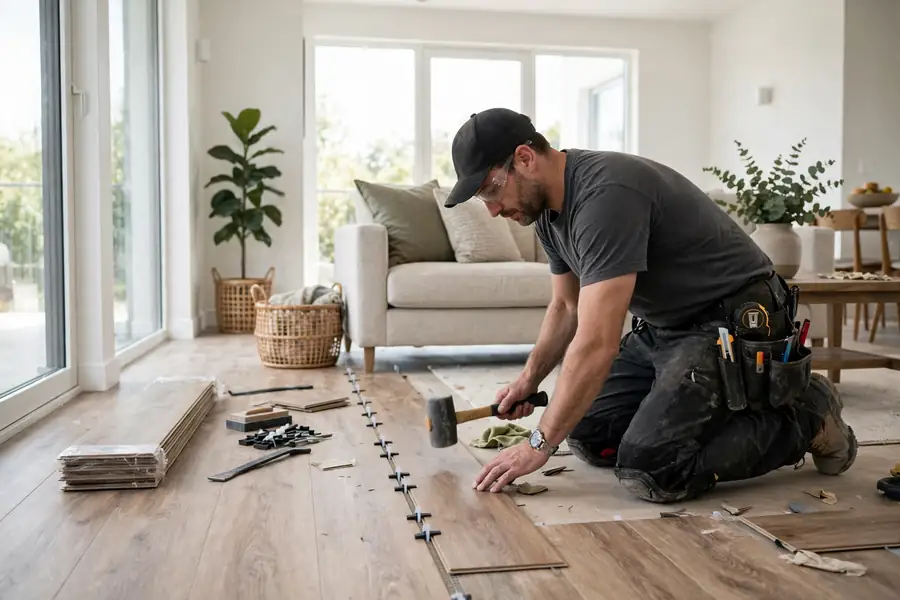
Labor and prep often decide the total more than the floor itself. See the guides on laminate installation costs and vinyl plank labor costs.
Which floor lasts the longest?
Tile and hardwood last longest, with decades of life, and vinyl and laminate commonly last about 15 to 25 years. Our guide to the most durable flooring compares wear, water and lifespan in detail.
How do you choose the right floor?
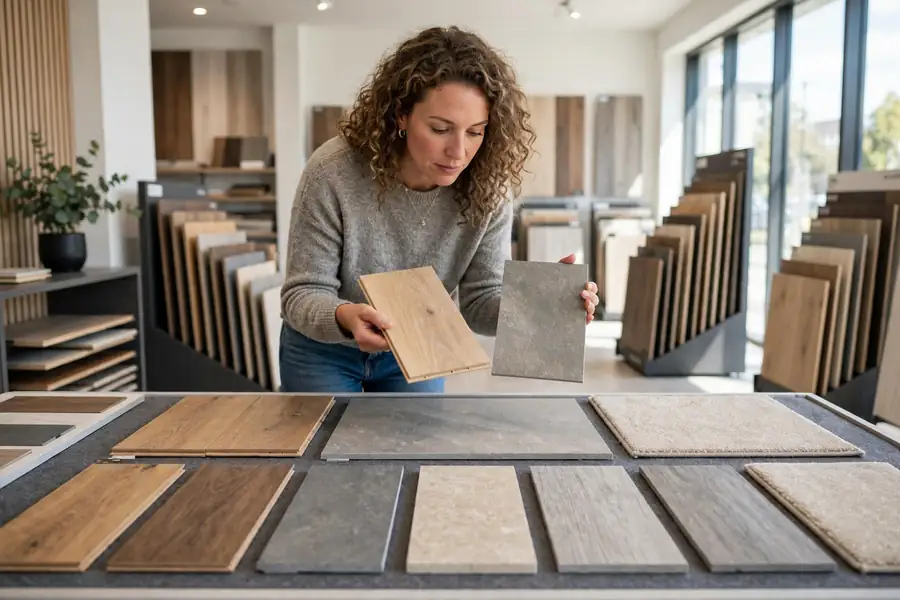
Start with the room, then pick by feel, look and budget. Ask whether the room gets wet, whether you want real wood, and whether you want soft or hard underfoot.
If you want a greener floor, see eco-friendly flooring options. For current looks, see popular flooring trends.
What do you need to check before you buy?
Check the subfloor, the room's moisture, your budget including labor, and the product's rating. Order samples, look at them in your own light, and read the warranty for what voids it. A flat, dry subfloor matters for almost every floor.
| Check | Why it matters |
|---|---|
| Subfloor flat and dry | Prevents joint, grout and seam failures |
| Moisture test on concrete | Moisture is a common cause of early failure |
| Wear rating | Vinyl mils, laminate AC rating, tile PEI rating |
| Installed price | Labor can equal the material cost |
| Warranty terms | Moisture and install method can void it |
Quick answers to common questions
What is the best flooring for the whole house?
Luxury vinyl plank is the most flexible whole-house choice, because it handles wet and dry rooms. Many homes mix vinyl or tile in wet rooms with hardwood or carpet elsewhere.
What is the cheapest type of flooring?
Sheet vinyl and basic vinyl plank are usually the cheapest to install, followed by laminate and carpet.
What is the best flooring for a kitchen?
Porcelain tile or luxury vinyl.
What is the best flooring for a basement?
Luxury vinyl plank, after a moisture test on the slab.
Which flooring adds the most value to a home?
Real hardwood usually gets the most resale credit, with engineered hardwood close behind. Vinyl adds less on paper but helps a home show well.
What is the best type of flooring for your home?
The best type of flooring for your home is the one that fits each room's moisture, traffic and budget. Luxury vinyl is the best all-rounder, hardwood and engineered wood are best for living areas, tile is best for wet rooms and entries, and carpet is best for soft bedrooms. Order samples, test the subfloor and choose a floor you can live with for years.