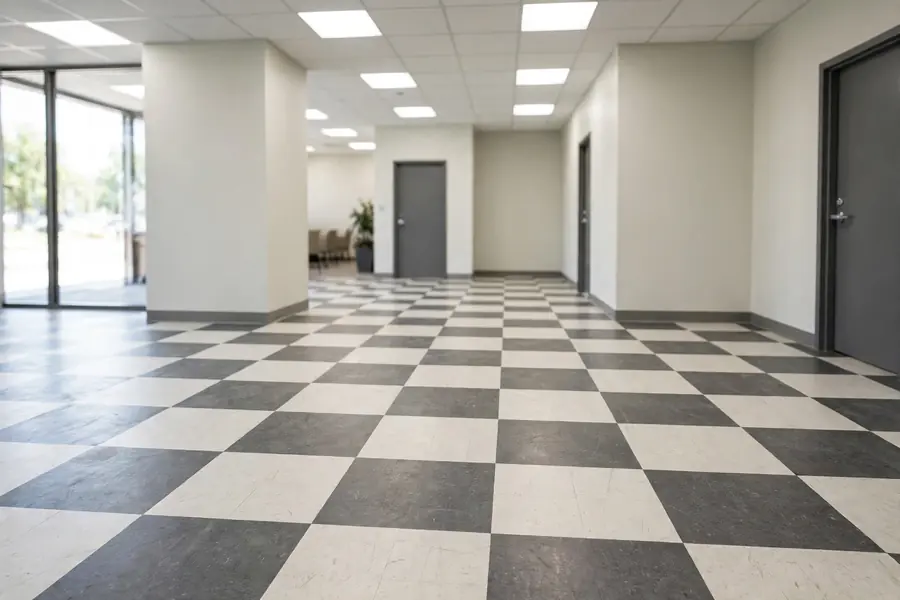
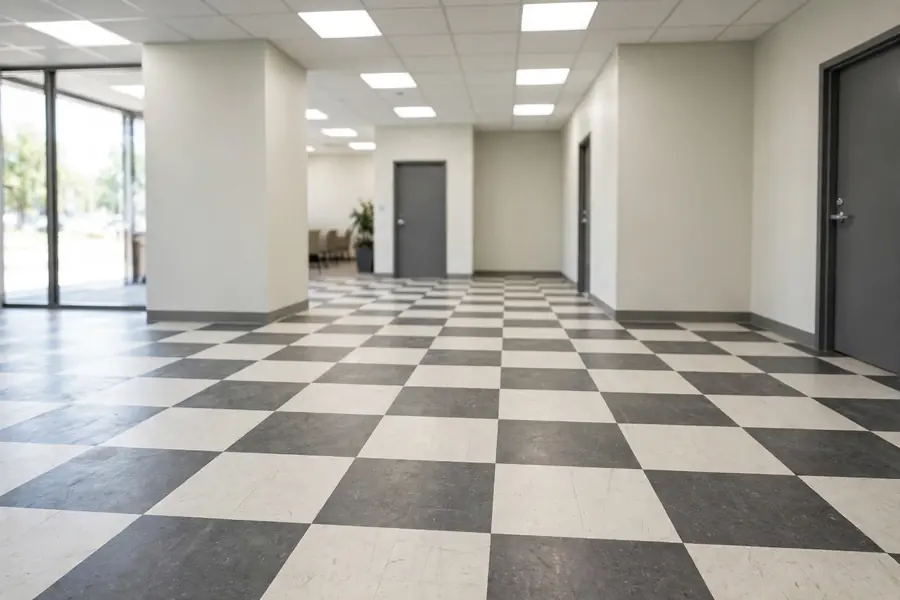
VCT flooring is vinyl composition tile: a hard, thin tile made of limestone and a PVC binder, usually 12 by 12 inches. The color runs all the way through the tile, and it is normally finished with a wax or polish. VCT is a budget commercial floor found in schools, shops and hospitals. It is tough and cheap, but it is plainer and harder than luxury vinyl and needs periodic stripping and recoating.
VCT at a glance
| Feature | What to know |
|---|---|
| Full name | Vinyl composition tile |
| Material | Limestone filler with a PVC binder, pigment and plasticizer |
| Size | Often 12 × 12 inches |
| Thickness | Commonly about 1/8 or 3/32 inch |
| Look | Solid colors, speckles and simple patterns |
| Finish | Usually floor polish, which is stripped and renewed over time |
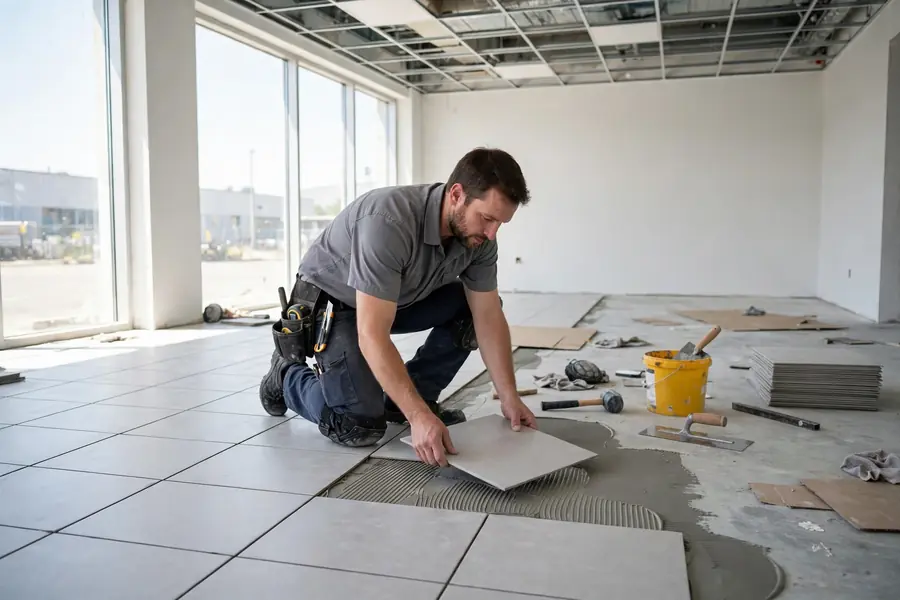
| Installation | Glued down |
| Cost | About $1.20 to $3 per square foot for the tile in 2026 estimates |
What does VCT stand for?
VCT stands for vinyl composition tile. "Composition" means it is a blend of ingredients: ground limestone for bulk, with a smaller amount of vinyl binder that holds it together. That is why VCT is harder and more brittle than luxury vinyl, which has a higher share of flexible vinyl.
VCT is made to a standard, ASTM F1066, which covers composition tile. Some products are described as Class 2, or "through pattern," which means the pattern runs through the full thickness of the tile.
What is the difference between VCT and luxury vinyl?
VCT is a single solid body, and luxury vinyl is a stack of layers with a printed picture. VCT is thinner, harder and cheaper, and it relies on a wax finish for its shine. Luxury vinyl is thicker, softer, and has a clear wear layer on top, so it needs no wax and can copy wood or stone.
| VCT | Luxury vinyl tile | |
|---|---|---|
| Build | One solid body | Layered, with a printed top |
| Thickness | About 1/8 inch | About 2 to 8 mm |
| Look | Plain colors and speckles | Realistic stone, ceramic, wood |
| Finish | Waxed or polished | Factory wear layer, no wax |
| Feel | Hard | Softer |
| Usual use | Commercial | Homes and commercial |
| Cost | Lower | Higher |
What is VCT made of?
VCT is made of limestone, PVC resin, plasticizer and pigment, pressed and cut into tiles. Because the color goes all the way through, scuffs and wear are less visible than on a printed floor, and a worn tile can be refreshed by stripping and recoating the finish.
Where is VCT used?
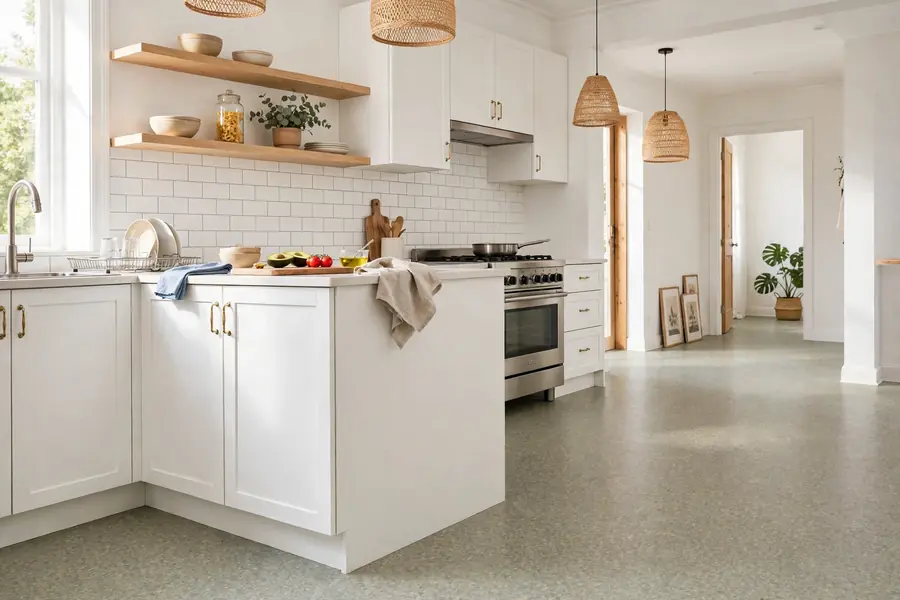
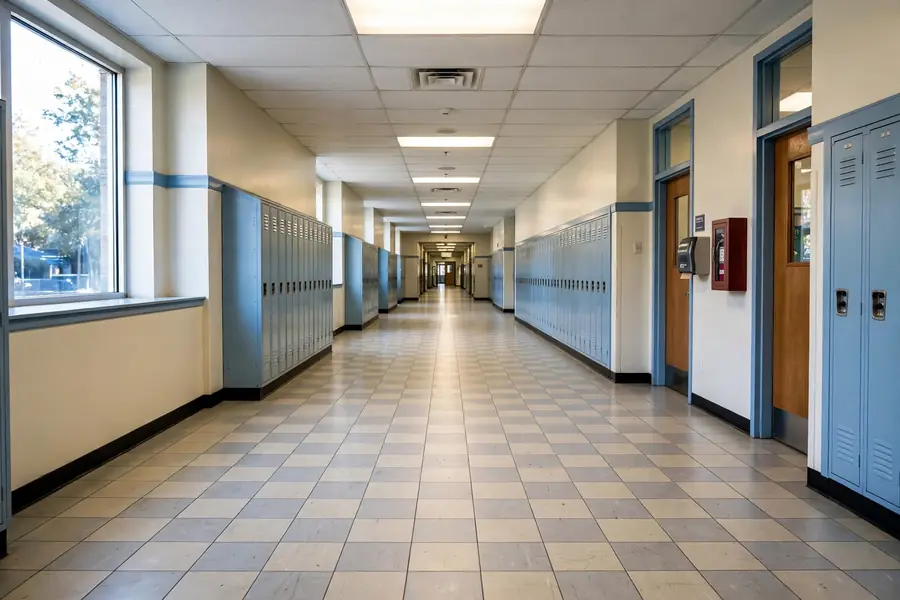
VCT is common in schools, hospitals, shops, offices and other commercial spaces. It is cheap, tough under foot traffic, and easy to repair by replacing a single tile. In homes, it appears more often in garages, basements and utility rooms than in living areas.
How do you clean and care for VCT?
Sweep or dust-mop often, damp mop with a neutral cleaner, and buff the finish when it dulls. Over time the polish wears down, and the floor is stripped and recoated. Wax and strip programs are the main long-term cost of VCT, so ask your maker or a janitorial contractor for a care plan.
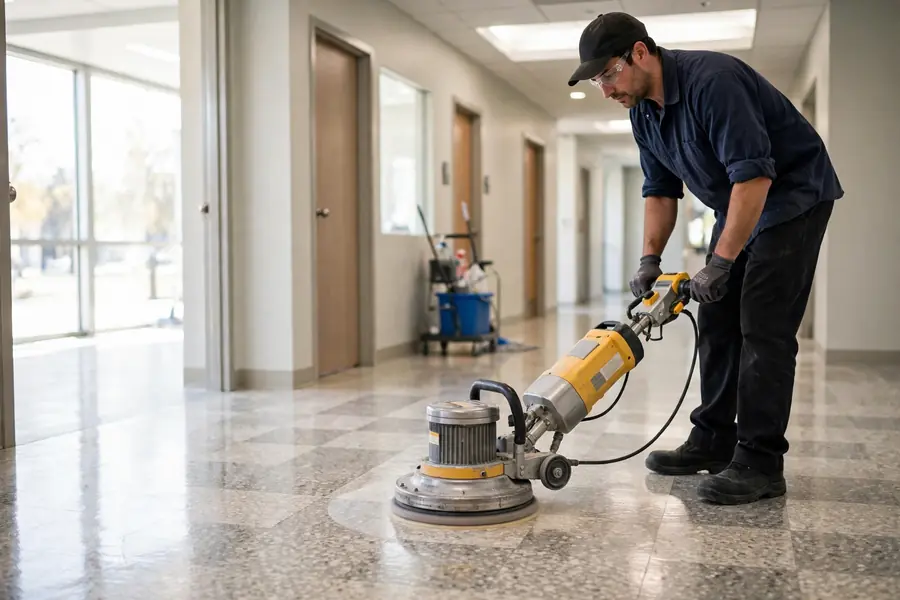
Avoid harsh cleaners and too much water, because water can lift the edges and loosen the adhesive. Follow the maker's care guide.
What are the pros and cons of VCT?
| Pros | Cons |
|---|---|
| Low material and installed cost | Plain, hard look |
| Tough in heavy foot traffic | Needs regular waxing and stripping |
| Color runs through the tile | Hard and cold underfoot |
| A single tile is easy to replace | Lots of seams that can collect dirt |
| Many solid colors | Not made for standing water |
| Easy to cut and install | Lower resale appeal at home |
Is VCT waterproof?
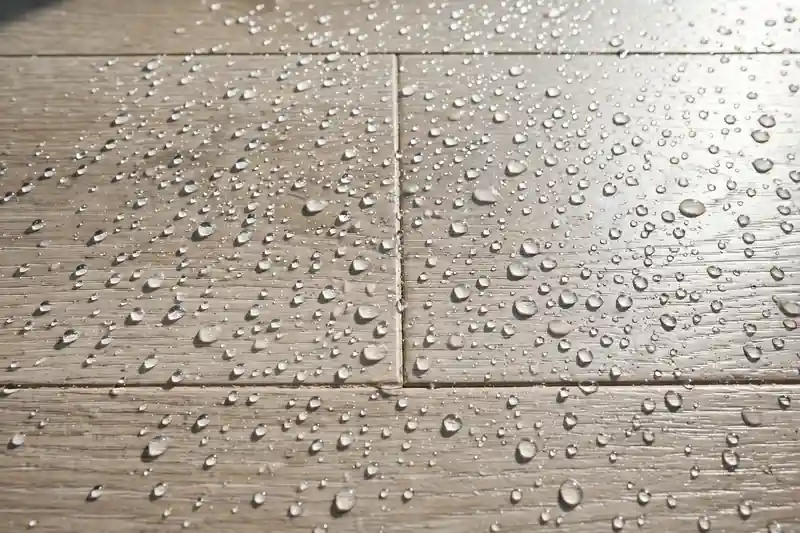
No. VCT resists spills, but it is not made for standing water. Water can get into the seams and loosen the adhesive, and moisture coming up from a damp slab can lift the tiles. Wipe up spills, and test a concrete slab for moisture before installing.
How much does VCT cost?
VCT tile costs about $1.20 to $3 per square foot in 2026 estimates, and installed prices are often about $3 to $9 per square foot depending on prep and your area. Wax and strip maintenance adds recurring costs over the life of the floor.
| Item | Estimate (2026) | For a 500 sq ft space |
|---|---|---|
| Tile only | $1.20 to $3 per sq ft | $600 to $1,500 |
| Installed | $3 to $9 per sq ft | $1,500 to $4,500 |
These are estimates, not quotes, and the sources vary widely. Ask local installers for written prices.
Does old VCT contain asbestos?
It can. Floor tiles made before the 1980s, especially 9 by 9 inch tiles, and the black adhesive under them may contain asbestos. Do not sand, scrape or break up old tiles. Have a sample tested by a certified lab, and use a licensed professional if it tests positive. Modern VCT does not use asbestos.
Is VCT right for your space?
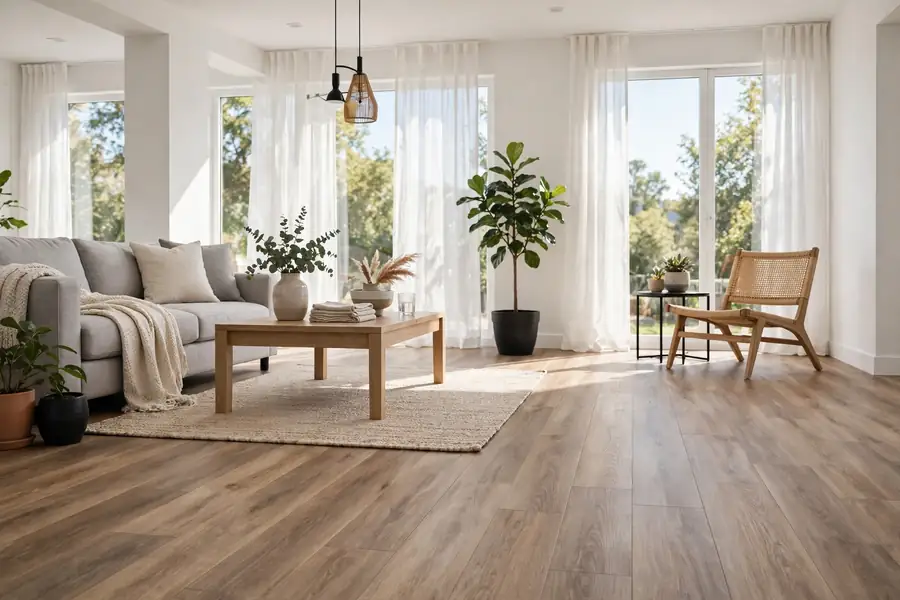
VCT suits busy commercial spaces and plain utility rooms where cost and toughness matter most. For a home kitchen or bath, luxury vinyl is softer and more realistic. For a wood look, choose luxury vinyl plank.
Quick answers to common questions
What does VCT stand for?
Vinyl composition tile.
Is VCT the same as vinyl flooring?
It is a kind of vinyl flooring, but a hard, thin, solid tile made mostly of limestone. It is different from sheet vinyl and from luxury vinyl.
Is VCT waterproof?
No. It resists spills but is not made for standing water.
Do you have to wax VCT?
Most VCT is finished with polish, which protects it and keeps it shiny. Some newer products are sold as no-wax, so follow your maker's instructions.
Does old VCT contain asbestos?
Tiles made before the 1980s may. Have them tested, and do not disturb them yourself.
Keep reading: resilient flooring, luxury vinyl flooring and vinyl flooring.
Is VCT flooring worth buying?
VCT flooring is worth buying for schools, shops, offices and utility rooms where you want a tough, low-cost floor that is easy to repair. It is not the best fit for a living area, because it is hard and plain. Budget for wax and strip care, and choose luxury vinyl if you want a softer feel or a realistic look.