Yes, you can paint vinyl flooring, but it is a temporary fix and the result depends on preparation. Clean and degrease the floor, sand it lightly, apply a bonding primer made for vinyl, then use thin coats of a flexible or epoxy floor paint and a clear topcoat. Paint does not bond to vinyl as well as to wood or concrete, so it can chip or peel in busy rooms, and it will not repair tears or gouges.
Painting vinyl flooring at a glance
| Question | Short answer |
|---|---|
| Can you paint vinyl? | Yes, with the right prep and products |
| Is it permanent? | No, expect chips and touch-ups |
| Do you need primer? | Yes, a bonding primer made for vinyl |
| Best paint | Two-part epoxy floor paint, or a flexible vinyl-safe floor paint |
| Paint to avoid | Regular wall paint and deck paint |
| Fixes damage? | No, paint will not fill tears, gouges or seams |
| Best for | Worn but flat sheet vinyl in a low-traffic room |
Should you paint vinyl flooring?
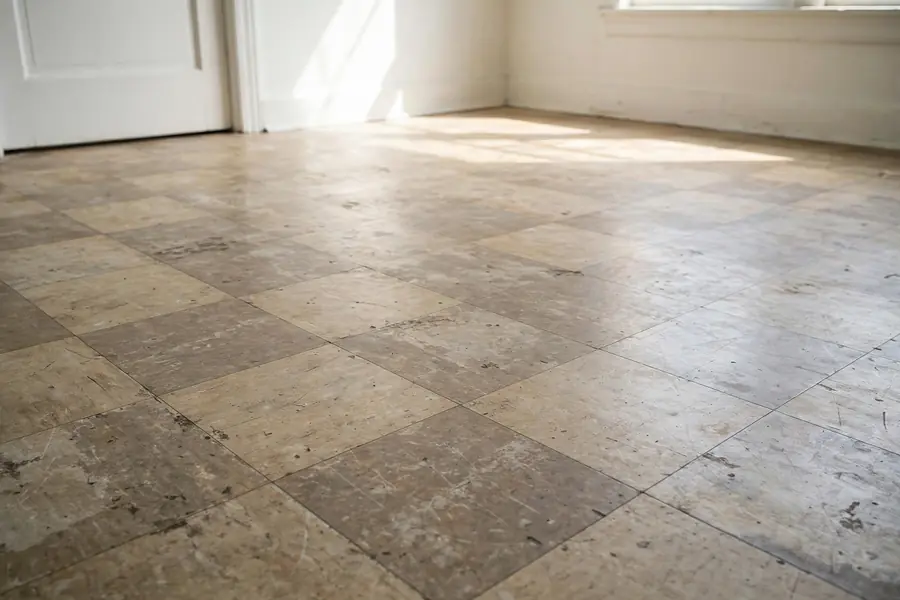
Painting works best on old, flat, clean vinyl in a low-traffic room, and it is a poor idea in busy or wet areas. One view is that painting is a feasible way to refresh a dated floor. Another is that it is only a stopgap, because paint has a hard time bonding permanently to vinyl and eventually peels. Both are true, and the difference is the condition of the floor and how it is used.
Why does paint fail on vinyl?
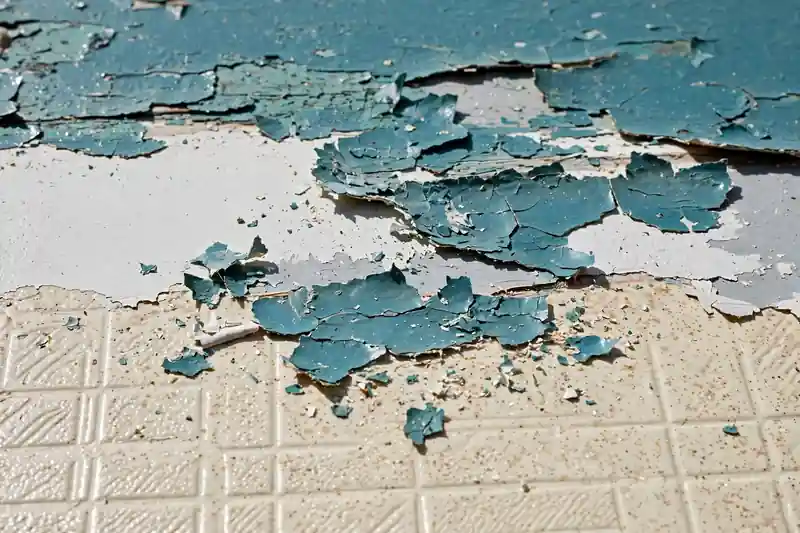
Vinyl flexes and paint does not. Foot traffic bends the floor, so a stiff coat cracks and lifts, and dragged furniture, claws and vacuum wheels cut through thin paint. Grease, dirt and the glossy factory finish also stop paint from gripping. Good preparation and a flexible, floor-rated system reduce these problems but do not remove them.
What paint should you use on vinyl flooring?
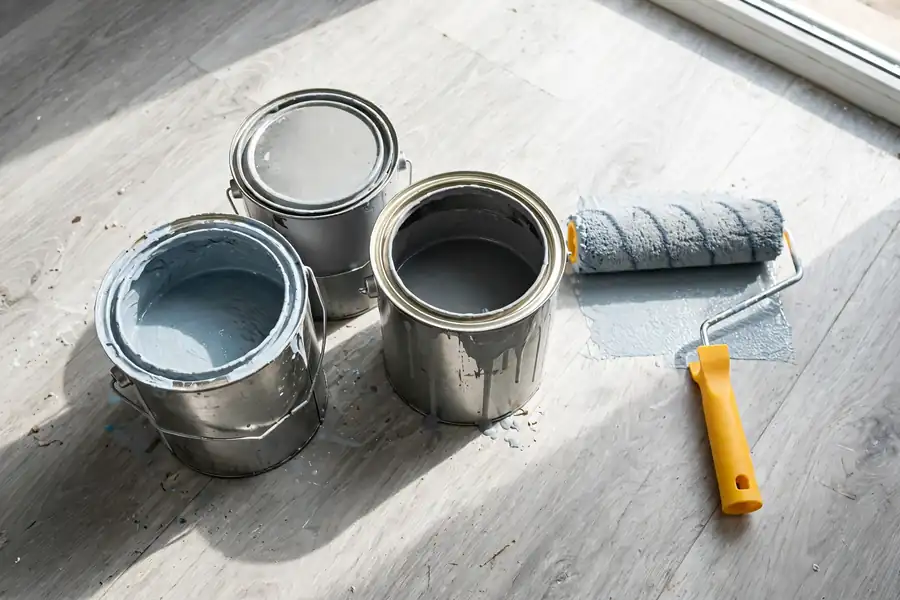
Use a floor paint made for the job, with a vinyl-safe bonding primer under it and a clear topcoat over it. Regular wall paint and deck paint are not suited to floors. Two-part epoxy floor coatings are the most durable option, and flexible acrylic or latex floor paints can handle some movement. Check that the label allows use on vinyl.
| Product | Verdict | Notes |
|---|---|---|
| Wall paint | Avoid | Not made for floors |
| Deck paint | Avoid | Stiff and slick, poor grip |
| Bonding primer for vinyl | Required | Without it, floor paint can fail early |
| Flexible acrylic floor paint | Good for light traffic | Apply thin coats |
| Two-part epoxy floor paint | Best for durability | Needs careful mixing and ventilation |
| Clear polyurethane or epoxy topcoat | Recommended | Protects the color |
How do you paint vinyl flooring, step by step?
Follow seven steps, and follow the labels on your primer and paint.
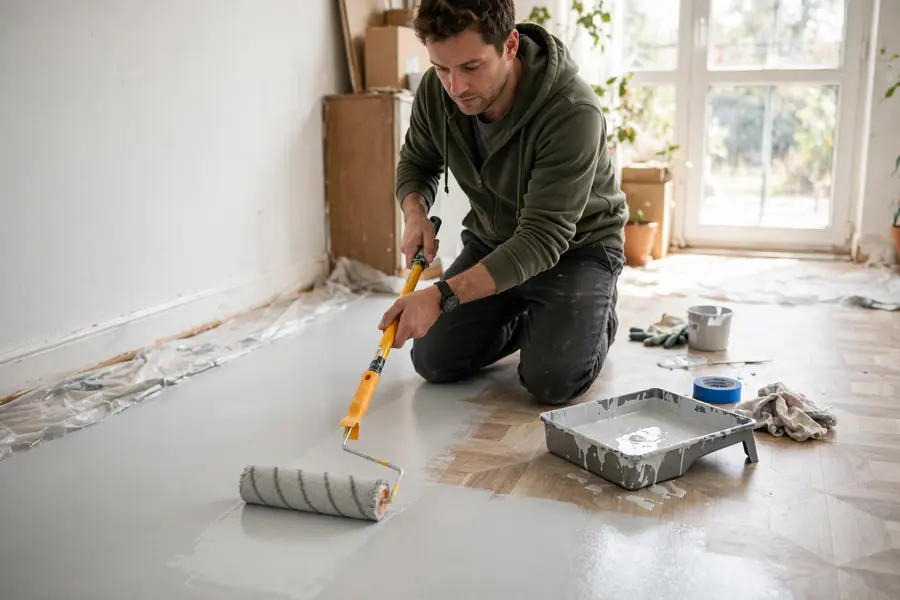
- Clean and degrease. Remove dirt, grease and any wax with a mild detergent, then rinse and let it dry.
- Repair. Fill gaps and dents with a vinyl-safe filler. If planks lift or tear, replace them first.
- Sand lightly. Use fine-grit sandpaper to dull the gloss, so the primer can grip.
- Wipe up the dust. Use a damp cloth, and let the floor dry fully.
- Prime. Apply a bonding primer made for vinyl. Primer is usually left about a day, but follow the label.
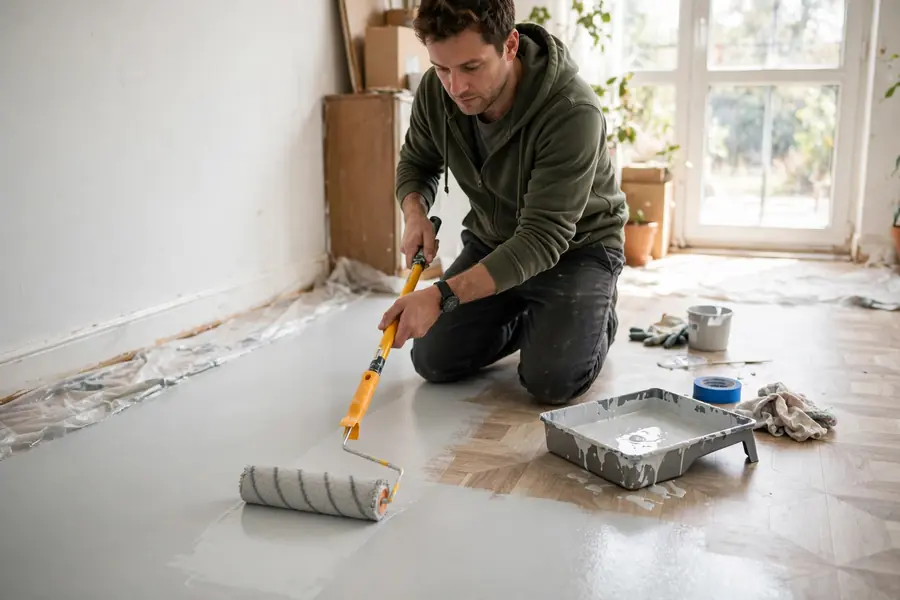
- Paint in thin coats. Use a floor-rated paint, and let each coat dry as labeled.
- Seal. Add a clear polyurethane or epoxy topcoat, and keep traffic and furniture off until the paint has cured.
Test everything on a hidden spot first, such as inside a closet.
Can you paint luxury vinyl plank?
You can, but it is riskier than painting old sheet vinyl. Luxury vinyl plank has a tough factory finish, and many makers do not approve painting it, so it may affect the warranty. If the floor is new and in good condition, painting is rarely worth the risk. Read more in what is LVP flooring.
How long does painted vinyl flooring last?
There is no firm figure. Painted vinyl needs upkeep, may chip in busy areas and may need touch-ups over time. Light-traffic rooms hold up better, and kitchens, halls and entries wear fastest. Expect a refresh, not a permanent finish.
How do you care for a painted vinyl floor?
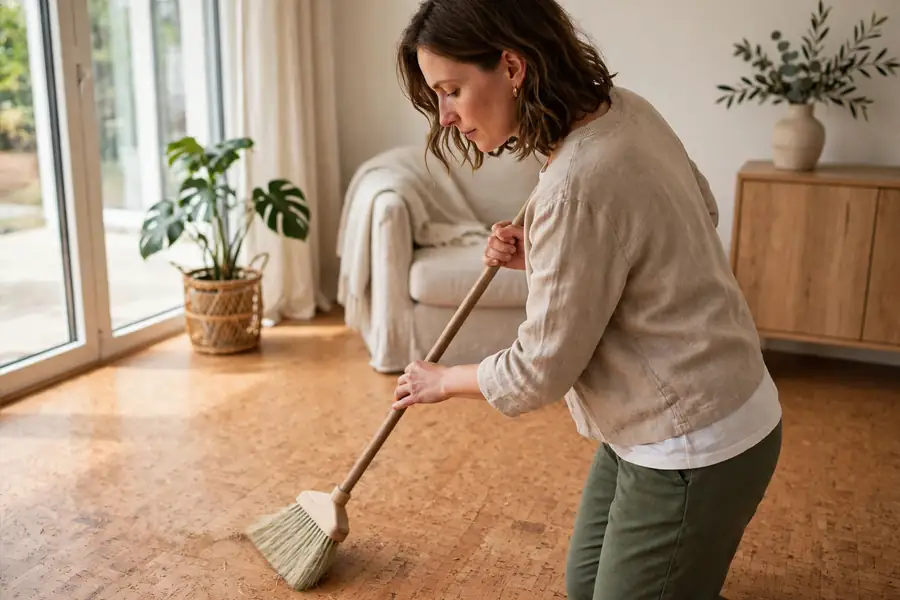
Treat it gently. Sweep with a soft broom and damp mop with a mild cleaner, use felt pads, avoid dragging furniture and wipe up spills quickly. Avoid harsh cleaners and abrasive pads that can wear through the paint. Our guide on how to clean vinyl flooring covers the routine, but check your paint maker's care notes first.
What are the alternatives to painting vinyl?
Replace damaged planks, cover the floor with a rug, or install a new floor over it. Click-lock vinyl plank can often go over sound vinyl, and a rug or loose-lay option suits a rental.
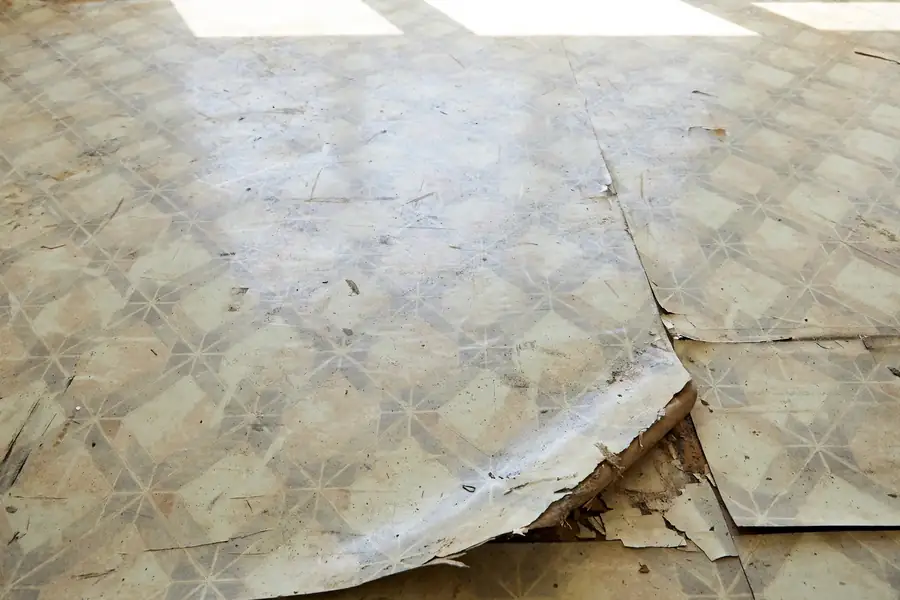
If you decide to replace the floor, see how to remove vinyl flooring first, and how to install vinyl plank flooring for the next one.
Quick answers to common questions
Can you paint luxury vinyl plank?
You can, but it is risky. Many makers do not approve it, and it may void the warranty.
What paint should you use on vinyl flooring?
A floor-rated paint, flexible acrylic or two-part epoxy, over a vinyl bonding primer, with a clear topcoat.
Do you need primer to paint vinyl?
Yes. Use a bonding primer made for vinyl. Without it, floor paint fails early.
How long does paint last on vinyl flooring?
There is no firm number. Expect chips and touch-ups, especially in busy rooms.
Should you paint vinyl flooring or replace it?
Paint worn but flat vinyl in a low-traffic room. Replace damaged, lifting or heavily worn floors.
So, can you paint vinyl flooring?
Yes, you can paint vinyl flooring, as long as you treat it as a refresh and not a permanent fix. Prepare the surface carefully, use a vinyl bonding primer, a floor-rated paint and a clear topcoat, and test a hidden spot first. If the floor is damaged, warped or in a busy room, replacing it is the better choice.