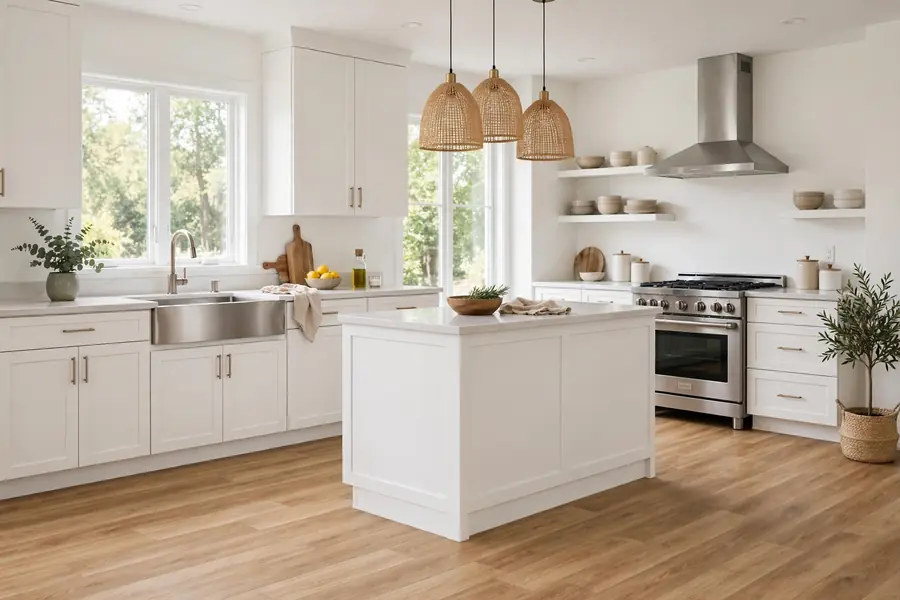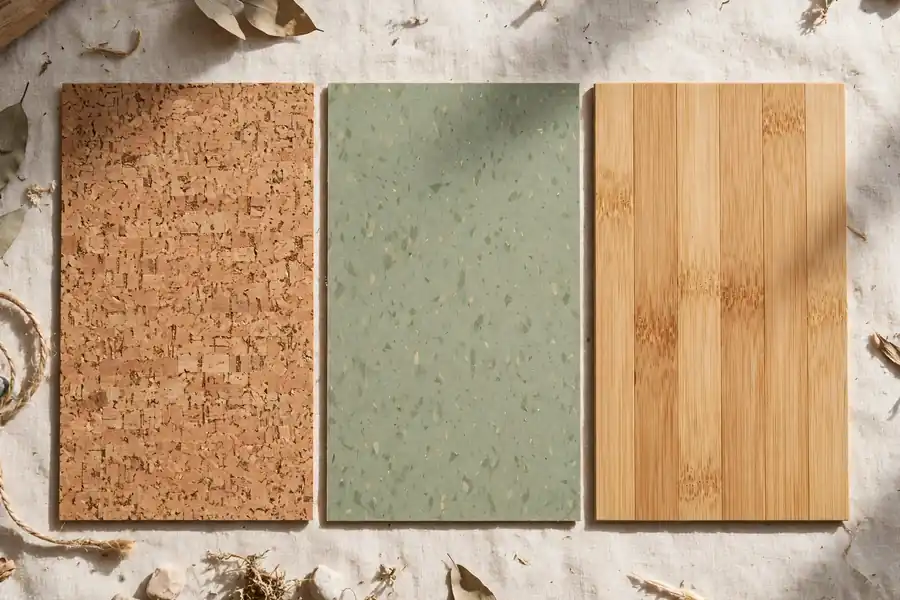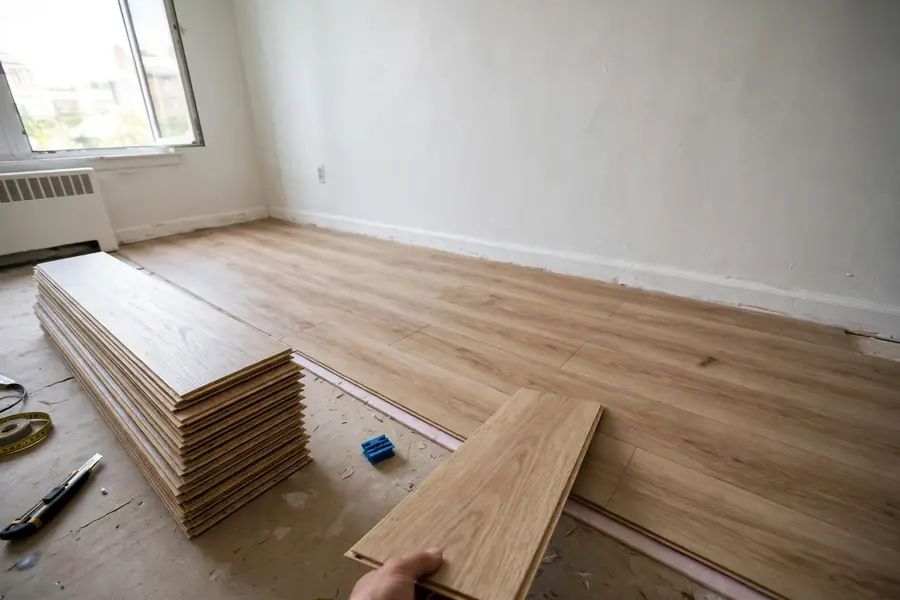
The best flooring for renters is flooring you can remove without a trace: a large area rug with a pad, carpet tiles, or loose-lay vinyl plank that holds by weight and needs no glue. Click-lock floating planks look the most like a real floor and can be taken with you, but you need your landlord's written approval. Peel-and-stick is cheap but can leave residue, and glue-down floors are never a good idea in a rental.
The best renter-friendly floors at a glance
| Option | Cost per sq ft (2026) | Removal | Landlord approval |
|---|---|---|---|
| Large area rug and pad | About $100 to $350 in total | Roll it up | Usually not needed |
| Carpet tiles | About $2 to $5 | Lift them up | Often a good idea |
| Loose-lay vinyl plank | About $2 to $8 | Lift them up | Ask first |
| Click-lock vinyl plank | From about $3 | Unclick and reuse | Ask in writing |
| Peel-and-stick tile or plank | About $0.70 to $5 | Peel, may leave residue | Ask first |
| Glue-down vinyl | Varies | Scrape, damages the floor | Do not use |
Prices are rough 2026 estimates from retailers and guides and vary by product and region.
What should a renter check first?
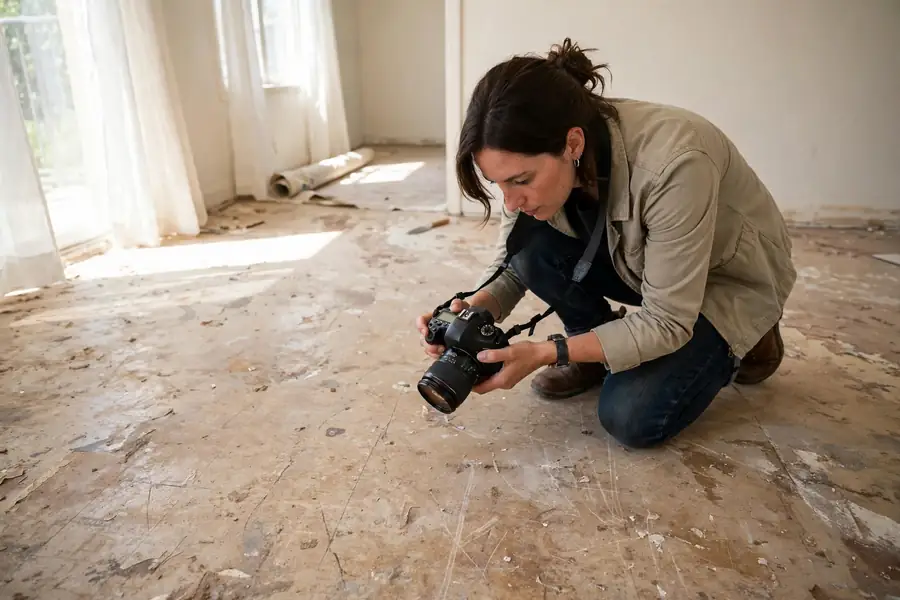
Check your lease and talk to your landlord before changing any flooring. Many leases prohibit flooring changes without written permission, and a floor you cannot remove can cost you your security deposit. Take dated photos of the existing floor, and keep any change reversible. Store the original flooring safely if you pull anything up.
Is an area rug the best option for renters?
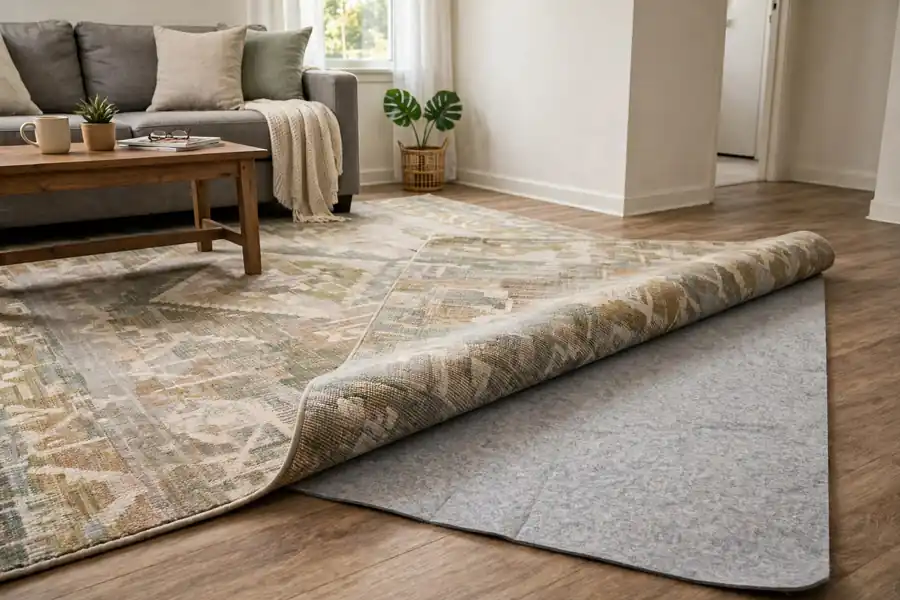
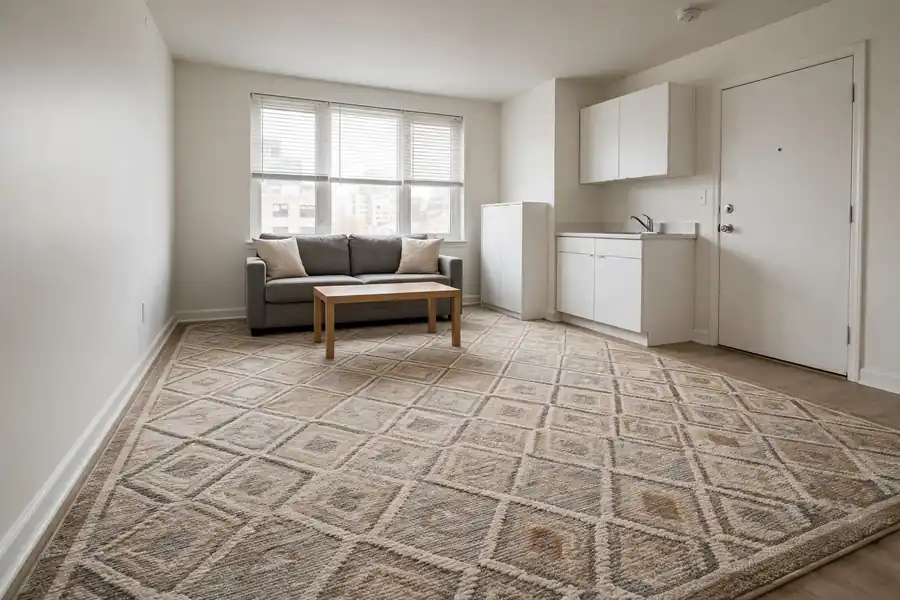
An area rug is the lowest-risk option, because it changes nothing. Choose a large rug with a non-slip pad, and size it so the border does not highlight the floor edges. A rug hides stains and worn wood, adds warmth and quiets a room. It costs about $100 to $350 for a large rug and pad, and you take it with you. It does not give you a new floor, only a cover.
What are carpet tiles?
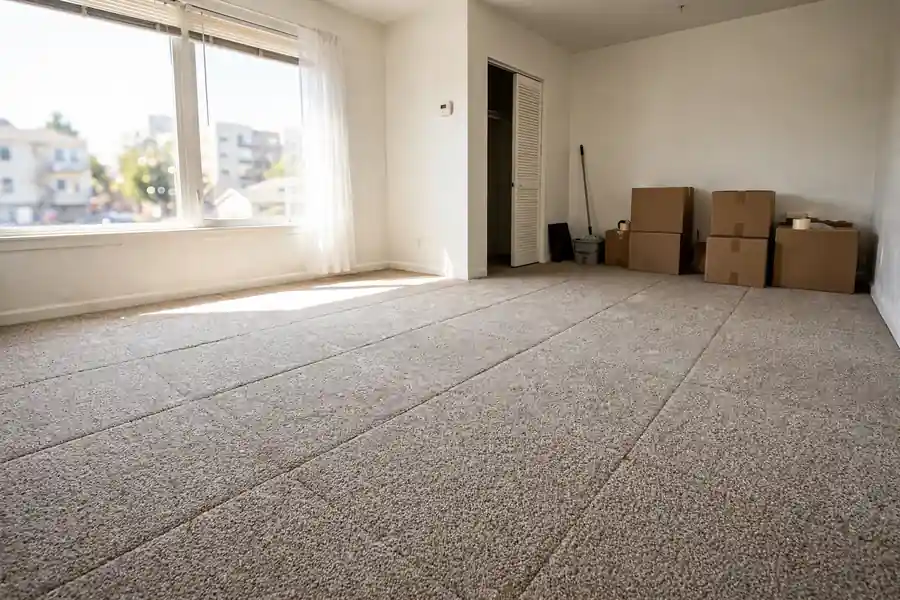
Carpet tiles are squares, often 18 by 18 or 24 by 24 inches, that you lay loose or hold down with double-sided tape. They cost about $2 to $5 per square foot, are soft and cut noise, and you can replace one tile if it is stained. They suit bedrooms, offices and short stays, and many people like the sound dampening in an apartment.
What is loose-lay vinyl plank?
Loose-lay vinyl plank is vinyl that holds to the floor by its weight and a grippy backing, with no adhesive, nails or subfloor changes. It looks like real flooring, and you can lift it and take it with you. It needs a flatter surface than click-lock planks, often flat within about 3/16 inch over 10 feet, and renters often use little or no perimeter tape so removal is clean. Prices run about $2 to $8 per square foot.
Is click-lock vinyl plank or laminate OK for renters?
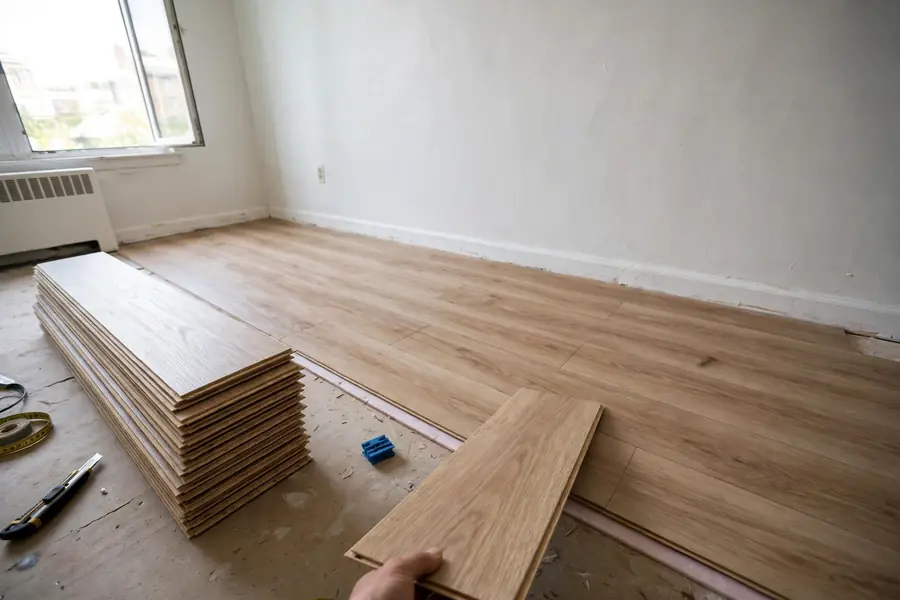
It can be, with permission. Click-lock planks float over the floor without glue, so they look the most like a real floor and can be unclicked and reused. They still count as a floor installation, so ask for written approval first. Avoid glue-down luxury vinyl tile in a rental. Read more about how to install vinyl plank flooring.
Is peel-and-stick flooring good for renters?
It is cheap and fast, but it is the riskiest of the removable options. The adhesive can leave residue on the existing floor, especially in warm rooms or after a long time, and that is the biggest threat to a security deposit. It also tends to be thin and less durable. If you use it, test a hidden spot first, make sure the surface is clean and dry, and ask your landlord.
How do the options compare on cost?
Peel-and-stick is the cheapest per square foot, carpet tiles and loose-lay vinyl are mid-range, and rugs are cheapest for a small area.
What wear layer should a renter choose?
Choose 12 mil for a bedroom or light-use unit and 20 mil for a busy living space. A thicker wear layer lasts longer, and a longer-lasting floor is easier to take with you to the next place. See the most durable flooring for how wear ratings compare.
What is the best option for each situation?
Pick by how much your landlord will allow and how long you plan to stay.
What about kitchens and bathrooms in a rental?
Choose loose-lay or click-lock vinyl, and keep water out of the seams. Vinyl resists water, but it is not fully waterproof, so wipe up spills and seal edges where allowed. Read is vinyl flooring waterproof before you decide.
Quick answers to common questions
What is the cheapest flooring for renters?
Peel-and-stick tiles are the cheapest per square foot, and an area rug is the cheapest for one room.
Can renters put new flooring over old flooring?
Yes, with permission, using loose-lay vinyl, carpet tiles or a floating click-lock floor. Do not install over wet or damaged floors.
Is peel-and-stick flooring good for renters?
It is cheap and easy, but it can leave residue. Test a spot and ask first.
Can you take flooring with you when you move?
Loose-lay vinyl, carpet tiles, rugs and click-lock floors can be lifted and reused if you remove them carefully.
Do you need landlord permission to change flooring?
Usually yes, except for a rug. Check your lease, and get approval in writing.
So, what is the best flooring for your rental?
The best flooring for renters is the one you can remove cleanly: start with a large rug, move up to carpet tiles or loose-lay vinyl if your landlord agrees, and use a click-lock floor only with written approval. Read your lease, photograph the floor, avoid glue, and keep the original floor safe.