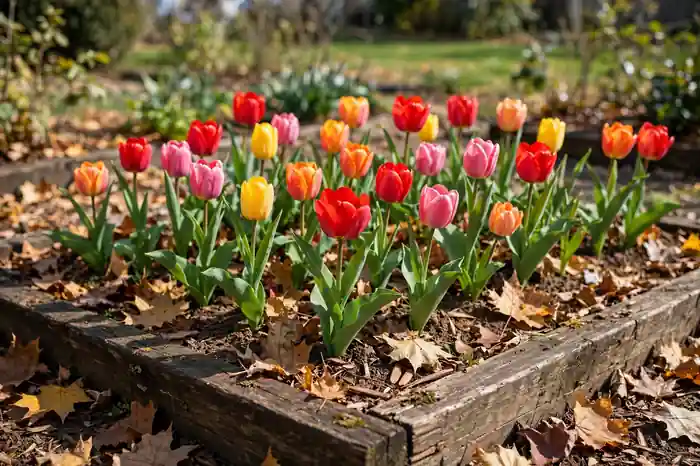
To plant tulip bulbs, wait until fall when the soil cools below about 60°F, dig a hole 6 to 8 inches deep, set each bulb pointed end up, space bulbs 4 to 6 inches apart, cover them with soil, water once and add mulch. Plant about six weeks before the ground freezes. Tulips need a long winter chill to bloom, so in mild climates you chill the bulbs first.
Tulips are among the easiest spring flowers to plant, because the work happens in a single afternoon in fall and the payoff comes months later. This guide covers planting in the ground and in pots, getting depth and spacing right, protecting bulbs from squirrels, forcing them indoors and what to do after the flowers fade.
How to plant tulip bulbs at a glance
| Question | Short answer |
|---|---|
| Best time | Fall, about six weeks before the ground freezes |
| Soil temperature | Below about 55 to 60°F at planting depth |
| Depth | 6 to 8 inches, about three times the bulb height |
| Spacing | 4 to 6 inches apart, in clumps |
| Which end up? | The pointed end |
| Sun | Full sun to part shade, with well-drained soil |
| Pots | Twice as deep as the bulbs, with drainage holes |
| Mild climates | Chill bulbs 12 to 16 weeks before planting |
| After bloom | Leave the leaves until they turn yellow |
| Come back yearly? | Species and Darwin hybrids often do. Many others fade |
When is the best time to plant tulip bulbs?
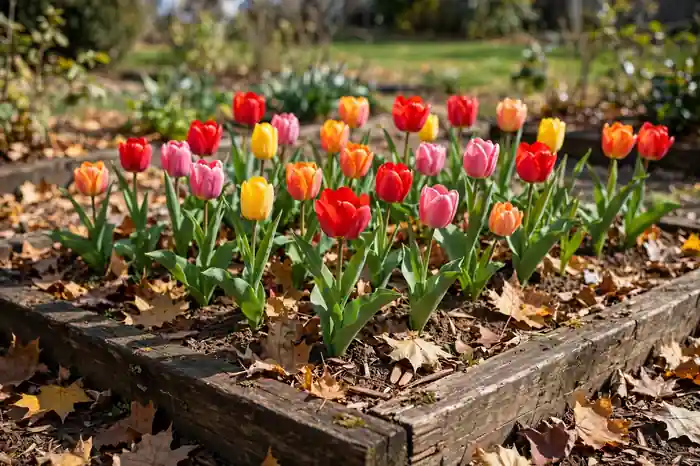
Plant in fall, once the soil has cooled and about six weeks before the ground freezes. In cold climates that is often late September to November. In mild climates it is often late fall or early winter, and bulbs need chilling first. Planting too early, while the soil is warm, can cause bulbs to sprout early or rot.
- Cold climates: plant when nights are cool and the ground is not yet frozen. A soil thermometer helps. Sources vary on the exact threshold, from about 40 to 60°F.
- Mild or warm climates: tulips need roughly 12 to 16 weeks of cold. Chill bulbs in a paper bag in the refrigerator, away from ripening fruit such as apples, then plant in late fall or winter. Many gardeners treat them as annuals there.
- Late planting: is it too late? If the ground can still be dug and the bulbs are firm, plant them. They may bloom smaller or later. Throw out soft, moldy or shriveled bulbs.
- Spring planting: tulips planted in spring that were not chilled usually do not flower that year. Plant them anyway if you have them, since they may bloom next year.
- Sprouted bulbs: plant them as usual, with the sprout up, and cover. Leaves may be damaged by frost, but the bulb usually survives.
Where should you plant tulips?
In a sunny spot with well-drained soil. Tulips like full sun to part shade, since the bulbs bloom before trees leaf out. Wet soil rots bulbs, so raised beds, slopes and sandy loam do best. A site that stays dry in summer helps bulbs return the next year.
- Soil: loose, well drained, with a little compost mixed in. Heavy clay needs grit or a raised bed.
- Fertilizer: a light feeding of a balanced bulb fertilizer at planting or in early spring is enough. Do not overfeed. Check the label if pets could eat it, as some products attract digging.
- Companions: plant tulips with daffodils, hyacinths and other spring bulbs. You can plant annuals over them in spring to cover the fading leaves.
- Raised beds: work well, and the soil drains faster.
How do you plant tulip bulbs in the ground?
Dig a hole or a trench, set bulbs pointed end up, cover with soil, water and mulch. Group bulbs in clumps for the best look.

- Loosen the soil to a depth of about 10 inches, and mix in compost if the soil is poor.
- Dig the hole to the right depth. Measure from the top of the bulb to the soil surface.
- Place the bulb pointed end up. The flat side of the bulb faces the same way, so the big first leaf grows to one side. If you cannot tell the top, plant it sideways. The shoot will find its way up.
- Cover with soil and press it gently.
- Water once to settle the soil and start roots.
- Mulch with 2 to 3 inches of straw, shredded leaves or pine needles to keep soil steady and weeds down.
- Wait. Roots grow over winter, and shoots appear in early spring.
How deep should you plant tulip bulbs?
About 6 to 8 inches deep, measured from the soil surface to the top of the bulb. A good rule is three times the bulb's height. Small species tulips go a bit shallower, at about 4 to 5 inches. Deeper planting also protects bulbs from animals and summer heat, which helps them return. In heavy soil, plant a little shallower so the bulb does not sit in wet soil.
How far apart should you plant tulip bulbs?
About 4 to 6 inches apart for most tulips, or closer, about 2 to 4 inches, for a dense display. Clumps look better than rows, so plant 8 to 12 bulbs together. A bed of 100 bulbs is a good-sized display, planted in a trench or several clumps.
Which way up do tulip bulbs go?
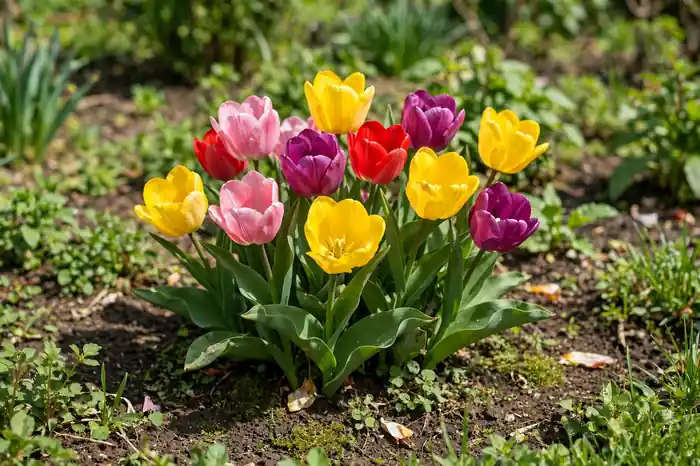
Pointed end up, with the flat side to one side. The root plate, a rough, flat patch, is the bottom. If you plant a bulb upside down or sideways, it usually still finds its way up, but it may bloom late.
How do you plant tulip bulbs in pots?
Use a pot with drainage holes, at least twice as deep as the bulbs, fill it with potting mix, set the bulbs close together with their tips near the rim and cover them. Tulips do well in pots and containers on patios and balconies.
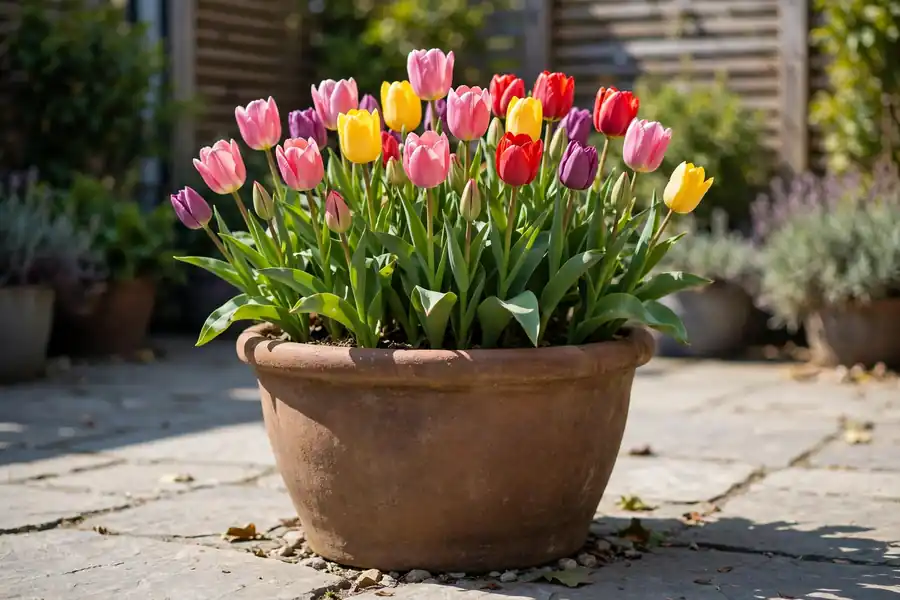
- Pick a pot with holes, 10 inches or more across and at least twice as deep as the bulbs.
- Add potting mix, then set the bulbs on top with their tips about a half inch to an inch below the rim after soil is added. Bulbs can be close, even nearly touching.
- Face the flat side of each bulb outward, so leaves grow over the edge of the pot.
- Cover and water once. Leave the soil a half inch to an inch below the rim.
- Chill. In cold climates, leave the pot outside in a sheltered spot, such as against a wall, over winter. In mild climates, chill the potted bulbs in a fridge or cold garage, in the dark, for 12 to 16 weeks.
- Bring into light when sprouts appear.
- Layering (lasagna) method: plant larger, later bulbs such as daffodils lower, tulips above and small bulbs such as crocus near the top, with soil between. This gives a long season of bloom in one pot.
- Depth in pots: bulbs sit shallower than in the ground, and are planted just deep enough to stay covered. Make sure the pot is at least twice as deep as the bulb.
- Outdoors in winter: potted bulbs can freeze solid in a hard winter, so move the pot to a sheltered spot, or sink it into the ground.
- Planting a potted tulip into the ground: after the flowers fade, you can plant the bulb in the garden, but the leaves must die back first.
Can you plant tulip bulbs indoors, in water or in a vase?
Yes, but they need chilling first. Tulips must have about 12 to 16 weeks at 40 to 45°F to bloom. Pot them up in October or November, chill them in the dark, then move them to bright, cool light when sprouts appear. Flowers open two to three weeks later.
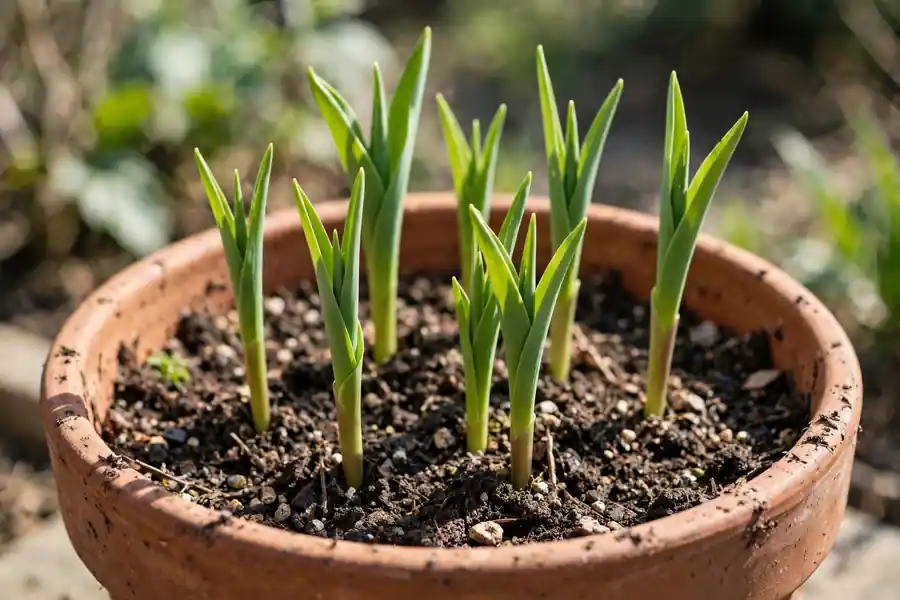
- In water: set a pre-chilled bulb on pebbles in a vase so the base just touches the water. It can flower, but the bulb is usually spent afterward and is not worth saving.
- Forcing varieties: early and Triumph types are sturdy choices for indoor display.
- Indoors in a pot: keep it cool and bright, and not near a heater, which shortens flowers.
- Egg cartons: they are not suitable for growing tulips. Use a real pot with drainage.
What do you do with tulip bulbs after they bloom?
Cut off the spent flower, let the leaves die back naturally and then leave the bulbs in the ground, or dig and store them. The leaves feed the bulb for next year, so do not cut them until they turn yellow, about six weeks after flowering.

- Leave in the ground: the easiest choice, and fine in well-drained soil. They may bloom smaller.
- Dig and store: lift bulbs in early summer once the leaves are yellow, brush off soil and store them in a cool, dry, airy place until fall. Discard soft or moldy bulbs.
- Fertilize lightly after bloom if you want them to rebuild.
- Potted tulips: save the bulbs the same way, or plant them in the garden in fall.
Do tulips come back every year?
Some do. Species tulips and Darwin hybrids are the most likely to return for several years. Many other types, such as double, parrot and some Triumph tulips, bloom well the first spring and fade in later years. Deep planting, good drainage and a dry summer help them return.
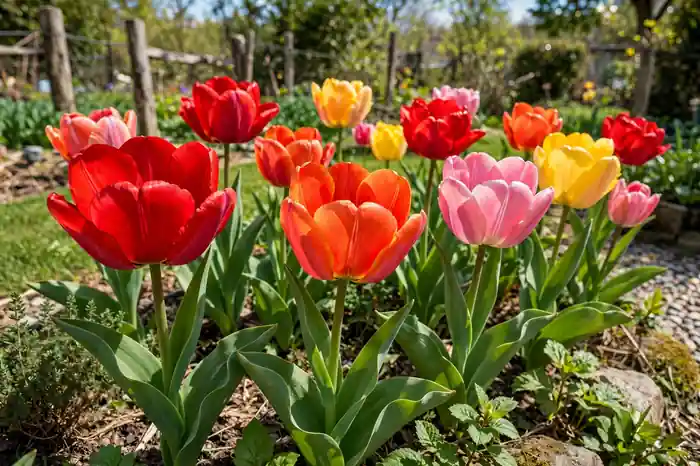
Many gardeners plant fresh tulips every fall for a reliable show. In hot climates, treat them as annuals.
How do you protect tulip bulbs from squirrels, chipmunks and deer?
Plant deep, cover the bed with wire mesh and plant late, when the soil is cool. Squirrels and chipmunks dig up bulbs, and deer eat the flower buds.
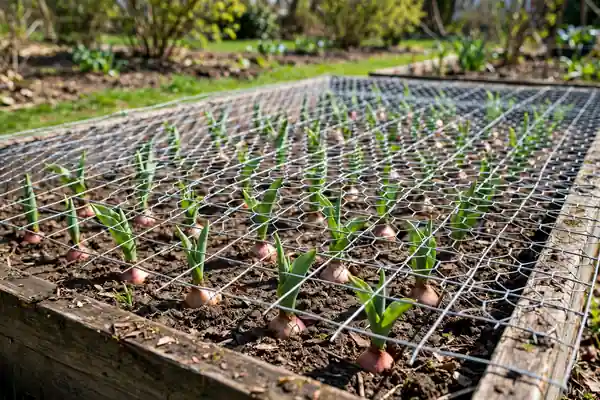
- Mesh: lay chicken wire or hardware cloth over the bed, then cover it with soil and mulch. It can be removed in spring.
- Daffodils: animals tend to avoid them, and many gardeners plant daffodils around tulips.
- Repellents: products can help, but need reapplying after rain.
- Pest guides: see the chipmunk guide for ways to deal with them.
- Deer: a fence or netting works best.
What about Siam tulips and other plants named tulip?
Siam tulip is not a true tulip. It is a tropical plant, a relative of ginger, that grows from rhizomes and is planted in warm weather, not fall. It needs warm soil and, unlike true tulips, no winter chill. If you meant a regular spring tulip, follow the steps above.
How much does it cost to plant tulip bulbs?
Bulbs often cost about $0.50 to $2 each, with large mixed bags at a lower price per bulb. A bed of 50 to 100 bulbs may cost $30 to $150. Add mulch, wire mesh and bulb fertilizer. These are rough 2026 estimates, and prices vary by variety, size and supplier.
Quick answers to common questions
What month is best to plant tulip bulbs?
Fall, about six weeks before the ground freezes. In many areas that is October or November. In mild climates, plant in late fall after chilling the bulbs.
How deep should you plant tulip bulbs?
About 6 to 8 inches deep, or three times the bulb's height. A bit shallower in heavy soil.
How far apart should you plant tulip bulbs?
About 4 to 6 inches apart, or 2 to 4 inches for a dense display. Plant in clumps.
Which way up do tulip bulbs go?
Pointed end up. The flat, rough root end faces down.
Do tulips come back every year?
Species tulips and Darwin hybrids often do. Many other types fade after a year or two, so replant fresh bulbs for a reliable show.
Keep reading: how to plant lavender, how to compost, how to reseed a lawn and more lawn and garden guides.
Is it worth learning how to plant tulip bulbs?
Yes. An hour of work in fall gives you weeks of color in spring. The key to how to plant tulip bulbs is simple: plant in fall in well-drained soil, set them pointed end up 6 to 8 inches deep and 4 to 6 inches apart, protect them from digging animals and let the leaves die back after bloom.